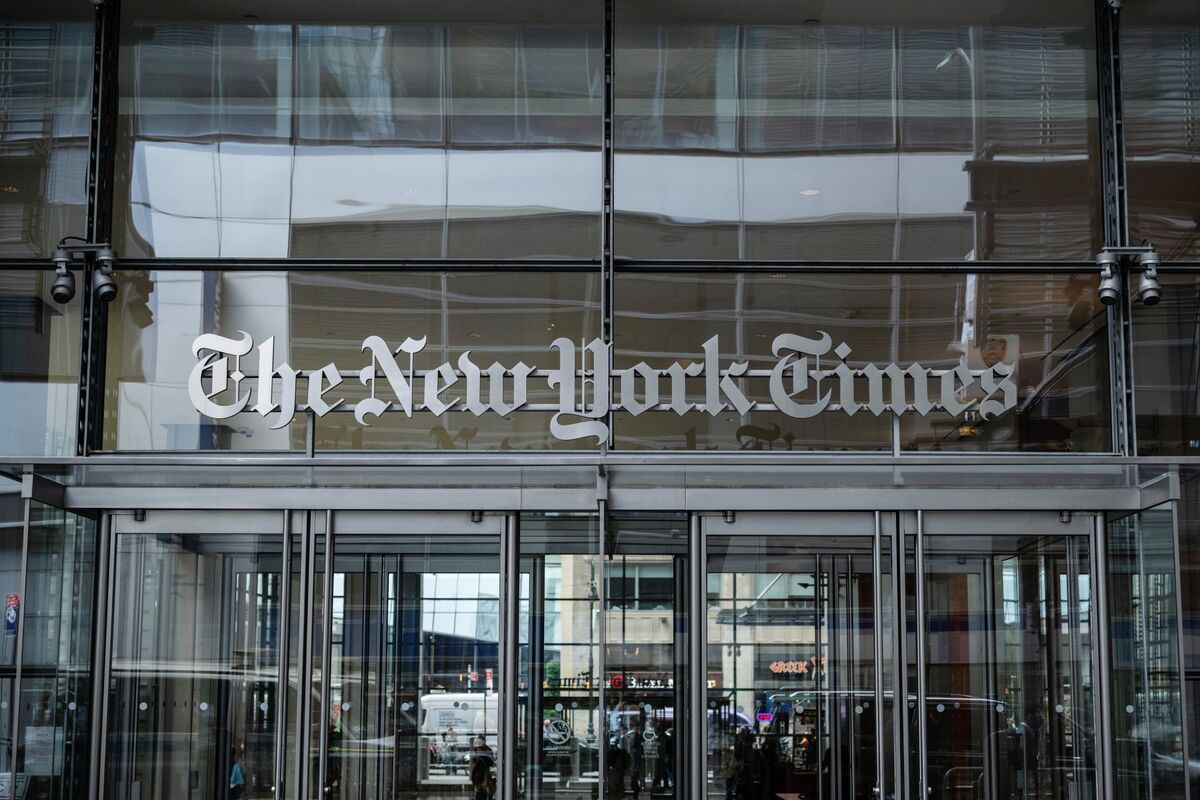
The New York Times Co. and the Chicago Tribune filed lawsuits against Perplexity AI Inc., accusing the AI search startup of large-scale unlawful copying and distribution of their exclusive journalism. The complaints argue the conduct threatens the publishers' reputations and business models; a plaintiff victory or settlement could force licensing agreements, impose damages, and constrain how AI search/summarization products ingest publisher content, raising legal and commercial risk for AI developers.
Market structure: This lawsuit lifts bargaining power of legacy publishers (NYT, NWSA) and raises the marginal cost of high-quality editorial training data, benefiting firms that can monetize IP via licensing. Uncapitalized AI search startups and open-web scrapers are losers; market share should consolidate toward deep-pocketed integrators (MSFT, GOOGL) or licensed-content aggregators over 6–24 months. Cross-asset: expect modest positive drift in publisher equities (+5–15% over 3–12 months if settlements occur) and a 10–30% bump in implied volatility for media tickers around legal milestones; FX/commodities impact immaterial.
Risk assessment: Tail risks include an injunction or precedent that forces takedown/removal of copyrighted corpora, which could bankrupt smaller LLM vendors or trigger >$500M industry-wide damages in extreme rulings. Immediate (days): headline volatility; short-term (weeks–months): discovery costs and settlement talks; long-term (quarters–years): structural shift to paid licensing and higher training costs. Hidden dependencies: existing undisclosed licensing deals between publishers and big tech could blunt impact; catalysts are court rulings, injunctive relief motions (30–90 days) and parallel suits (AP, Reuters) within 6–12 months.
Trade implications: Favor targeted exposure to publishers: NYT and News Corp as potential recurring-license beneficiaries, size positions modestly and use options to limit downside. Hedge asymmetric legal/regulatory risk in AI-exposure names via short-dated puts or dispersion trades; expect increased bid for legal/settlement-insurance and M&A interest in content-ownership assets over 6–18 months. Time entries to volatility spikes (docket events) and scale positions into evidence of settlement momentum.
Contrarian angles: Consensus underestimates that lawsuits may create stable licensing revenue (analogous to music publishing post-Napster) rather than a one-off windfall—publishers could reach multi-year deals that compress AI marginal costs but raise recurring royalties. Reaction may be underdone in publisher equities and overdone in valuations of small AI search plays that lack balance-sheet depth. Unintended consequence: faster concentration of model supply to incumbents (MSFT/GOOGL) which could create long-term moat for those platforms.
AI-powered research, real-time alerts, and portfolio analytics for institutional investors.
Request DemoOverall Sentiment
mildly negative
Sentiment Score
-0.25
Ticker Sentiment
