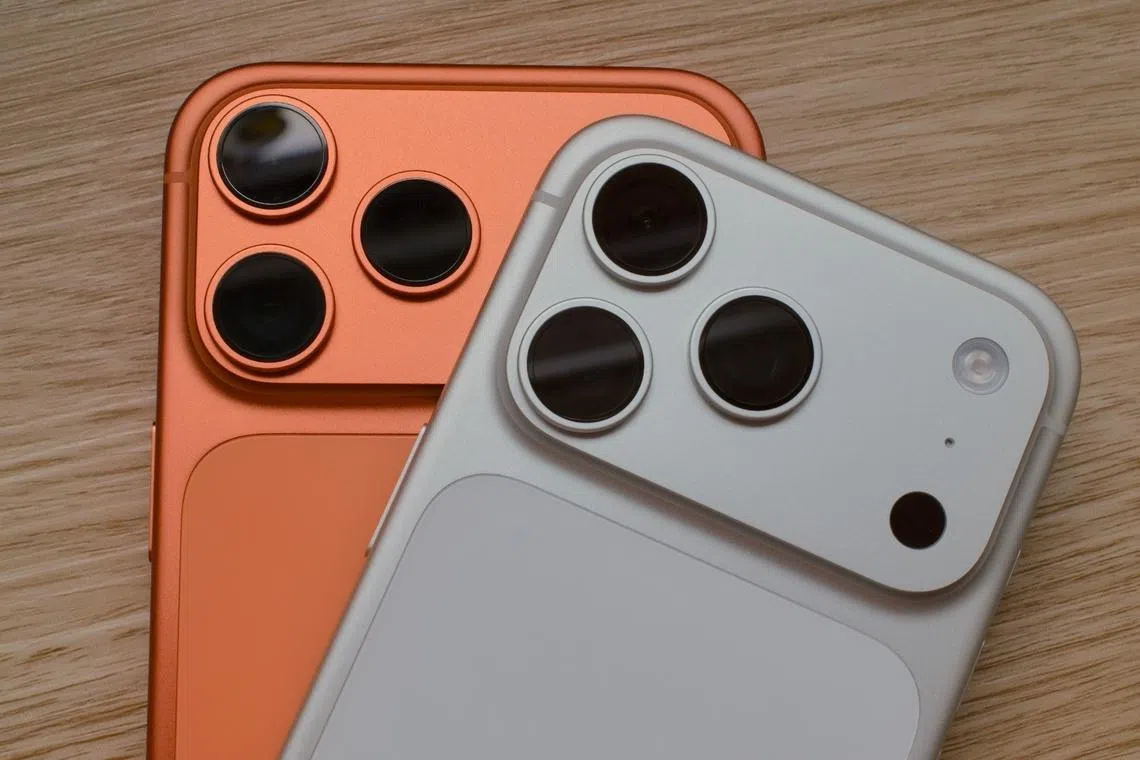
Apple is reportedly considering four major iPhone camera upgrades, including a variable aperture system, a larger 1/1.12-inch main sensor, improved ultra-wide OIS, and a 200MP periscope telephoto lens. The variable aperture is the most likely near-term addition, while the other three upgrades may be rolled out over multiple product cycles. The article suggests Apple is moving to narrow a photography gap with flagship Android rivals, but the news is still speculative and unlikely to have an immediate market impact.
Apple’s camera roadmap matters less as a spec war and more as a signal that premium differentiation is being pushed back into hardware after years of software-led iteration. If Apple closes the imaging gap faster, it can defend iPhone ASPs and reduce upgrade deferral risk in the $1,200+ tier, where camera quality is one of the few features that still moves replacement intent. The market implication is that the “good enough” premium Android framing may lose some elasticity, pressuring rivals that have been leaning on photography as the main flagship hook.
The second-order winner is the supply chain around image sensors, actuators, and precision optics, but the mix matters: a larger main sensor and periscope zoom imply more content per phone, which is favorable for component suppliers with high exposure to iPhone build-outs. However, the rollout is likely staged, so the earnings lift should be read as a 12–24 month story rather than a near-term catalyst; any revenue upside will be gated by Apple’s willingness to absorb BOM inflation without sacrificing gross margin. That creates a subtle tension: the better the camera story, the more Apple can defend price, but also the more it has to justify higher component costs through mix and ecosystem stickiness.
The contrarian read is that most of this is already embedded in premium-phone expectations, and the real upside is not unit growth but share of wallet within Apple’s installed base. For Sony, the direct exposure is modest and likely overstated by the headline because mobile sensor gains are a rounding item relative to its broader semiconductor and entertainment base. The sharper trade is that camera parity reduces the probability of a meaningful iPhone demand disappointment in the next upgrade cycle, which is supportive for Apple’s multiple even if volumes only improve incrementally.
Tail risks cut both ways: execution slippage, sensor yield issues, or a slower-than-expected rollout would keep the market focused on Apple’s innovation gap for another cycle. Conversely, if Apple accelerates all four upgrades sooner than expected, it could re-rate the stock before unit data shows up, because the story would shift from catch-up to sustained premium defense.
AI-powered research, real-time alerts, and portfolio analytics for institutional investors.
Request TrialOverall Sentiment
mildly positive
Sentiment Score
0.18
Ticker Sentiment
