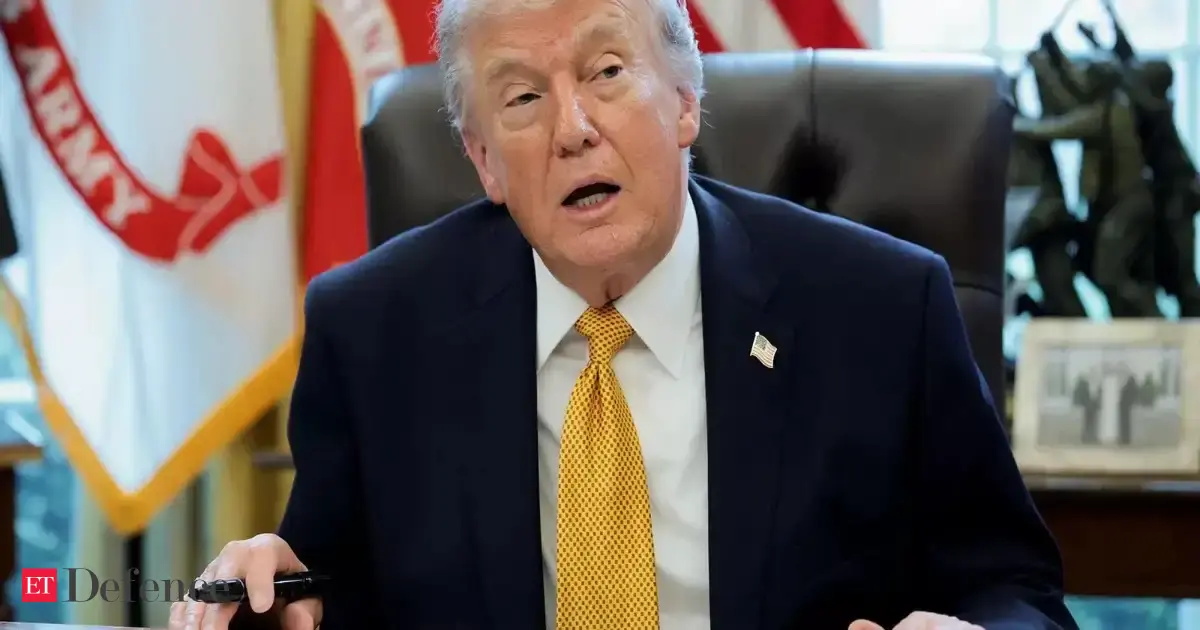
The Strait of Hormuz reopened briefly but was then reclosed after Iran said the U.S. blockade on its shipping remained in place, underscoring a failed de-escalation and renewed risk to global energy flows. The article says Trump overstated progress and may have misread Iran's leverage, with Iranian officials rejecting any uranium concessions and signaling they will not compromise. The reversal raises the risk of broader confrontation and potential disruption to oil and tanker traffic through a key chokepoint.
The market implication is less about the brief opening itself and more about the credibility shock it creates around shipping risk pricing. When a chokepoint event is framed as “resolved” before it is durably resolved, freight, tanker, and insurance markets tend to underprice tail risk, then reprice violently when the political narrative breaks. That sets up a regime where near-dated volatility in energy logistics should stay bid even if spot crude gives back some of the initial move, because the real premium is now on repeated stop-start disruptions rather than a one-time closure.
Second-order beneficiaries are not just upstream producers but anyone with embedded optionality on transport disruption: VLCC/aframax owners, marine insurers, and defense/logistics names tied to maritime surveillance, minesweeping, and escort capabilities. The asymmetry is that every failed negotiation raises the probability of another short, sharp closure, which is far more valuable to volatility sellers in shipping than to directional crude bulls. Conversely, refiners and industrials are hurt less by absolute oil levels than by intermittent supply uncertainty, which tends to widen crack spreads, raise working capital needs, and tighten credit terms for commodity-dependent shippers.
The key catalyst window is days to weeks, not quarters: the next headline on blockade enforcement, tanker harassment, or any forced diplomatic climbdown can move freight rates and Brent faster than physical barrels change hands. Over months, the bigger risk is that repeated false starts harden both sides into a higher-base-line confrontation, keeping a geopolitical risk premium embedded in energy and insurance costs. The main contrarian point is that the move may be underpriced if traders assume “no escalation” means mean reversion; in chokepoint geopolitics, credibility loss often matters more than the initial action because it raises the frequency of future disruptions.
AI-powered research, real-time alerts, and portfolio analytics for institutional investors.
Request DemoOverall Sentiment
moderately negative
Sentiment Score
-0.45
