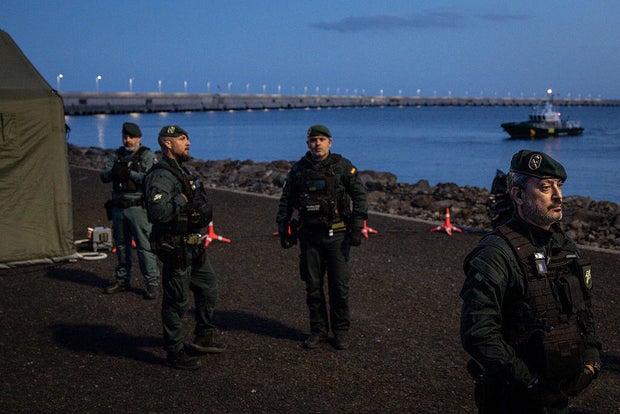
At least 9 suspected or confirmed hantavirus cases linked to the MV Hondius outbreak have been reported, including 3 fatalities, prompting an emergency passenger evacuation in Tenerife. The ship is carrying nearly 150 people from more than 15 countries, and U.S. passengers are being repatriated via a CDC/HHS flight to Nebraska for quarantine and monitoring. The incident is materially negative for the operator and reinforces health-risk concerns for cruise and leisure travel, though broad market impact should be limited.
This is a near-term negative for the travel complex, but the bigger market signal is not a single ship event — it is the reintroduction of a hard-to-model biosecurity tail risk into discretionary travel pricing. Cruise is especially exposed because the operating model concentrates large numbers of older passengers in enclosed settings, and one outbreak can create a disproportionate reputational overhang that outlasts the medical incident by quarters. The first-order read-through is to premium leisure brands and tour operators with high exposure to expedition-style itineraries, where customers are paying for remote access but implicitly underwriting evacuation/logistics risk.
The second-order winner is not an obvious public-equity beneficiary but rather the insurers and contractors that monetize evacuation, medevac, and crisis-response complexity. More importantly, the event may force cruise operators to carry higher incremental compliance and contingency costs on routes that touch remote ports, reducing margin leverage on niche itineraries even if broad demand stays intact. For the sector, the real risk is not a sustained demand collapse; it is a short-lived booking pause plus higher cancellation/insurance friction that can hit forward yields before revenue managers can reprice capacity.
The contrarian angle is that the public-health authorities are already framing the spillover risk as low, which likely limits any systemic contagion trade. That means the selloff opportunity is in the highest-beta leisure names if they gap down on headlines, not in a wholesale bearish call on travel. The long-duration opportunity is that larger operators with better medical infrastructure, more flexible itinerary control, and stronger balance sheets should gain share from smaller expedition players as travelers become more selective about operator quality and evacuation readiness.
Catalyst horizon is days to weeks for headline volatility, and 1-2 booking cycles for any measurable impact on forward load factors. If no secondary cases emerge outside the ship and repatriation proceeds cleanly, the trade should mean-revert quickly; if a credible human-to-human transmission cluster appears, the risk shifts from idiosyncratic cruise disruption to broader travel sentiment. Watch for any new cases among disembarked passengers over the next 2-8 weeks, which would extend the overhang materially because hantavirus has a long incubation window.
AI-powered research, real-time alerts, and portfolio analytics for institutional investors.
Request DemoOverall Sentiment
strongly negative
Sentiment Score
-0.72
