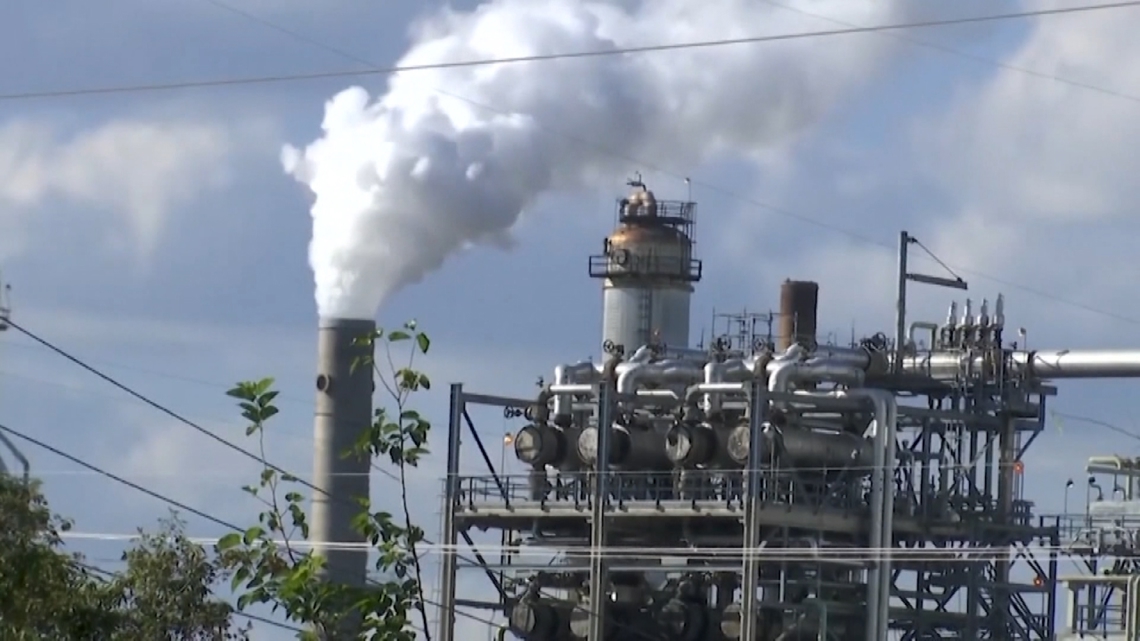
Two refinery shutdowns (Phillips 66 in Los Angeles and Valero in Benicia) account for about 20% of California’s gasoline supply, coinciding with a nationwide pump-price rise of roughly $0.50/gal (California about +$0.56/gal) as oil trades near $100/bbl. Lawmakers are divided—Republicans pushing emergency sessions and expanded drilling, Democrats and CARB defending cap-and-invest amendments—while refiners (Marathon, Chevron, PBF) warn the proposed rules could force operational reconsiderations, posing meaningful sector-level supply and price risk.
California-specific regulatory uncertainty is imposing an implicit option value on refinery owners: either invest several hundred million to retrofit/process low-carbon fuels and accept compressed refinery margins, or exit and crystallize scarcity premia for region-specific gasoline blends. Because the state uses a non-fungible fuel spec, incremental import capacity is lumpy (cargoes, specialized units) so a modest permanent decline in local refining capacity can push local crack spreads materially higher for months — our sensitivity suggests a 5-10% permanent reduction in local refining throughput can widen California RBOB crack by $6–$12/bbl.
This dynamic creates asymmetric outcomes across the value chain. Integrated majors with global crude sourcing, downstream scale and trading desks (lower exposure to a single regulatory regime) have the balance-sheet optionality to absorb temporary margin compression, while pure refiners and regional players face acute capital-allocation pressure and credit strain. Midstream/logistics names tied to West Coast refined product flows will see volatile utilization and idiosyncratic counterparty risk if a node (refinery or terminal) idles.
Near-term catalysts are regulatory decisions and corporate capex announcements which are binary; medium-term drivers are inventory reshuffles by international suppliers and any federal policy responses. The consensus appears to price a near-term hit to all refiners uniformly; we see dispersion—companies with diversified downstream exposure and trading capability will capture most of the upside if scarcity persists, while single-region refiners will carry the forced-deleveraging tail risk.
AI-powered research, real-time alerts, and portfolio analytics for institutional investors.
Request DemoOverall Sentiment
mildly negative
Sentiment Score
-0.30
Ticker Sentiment
