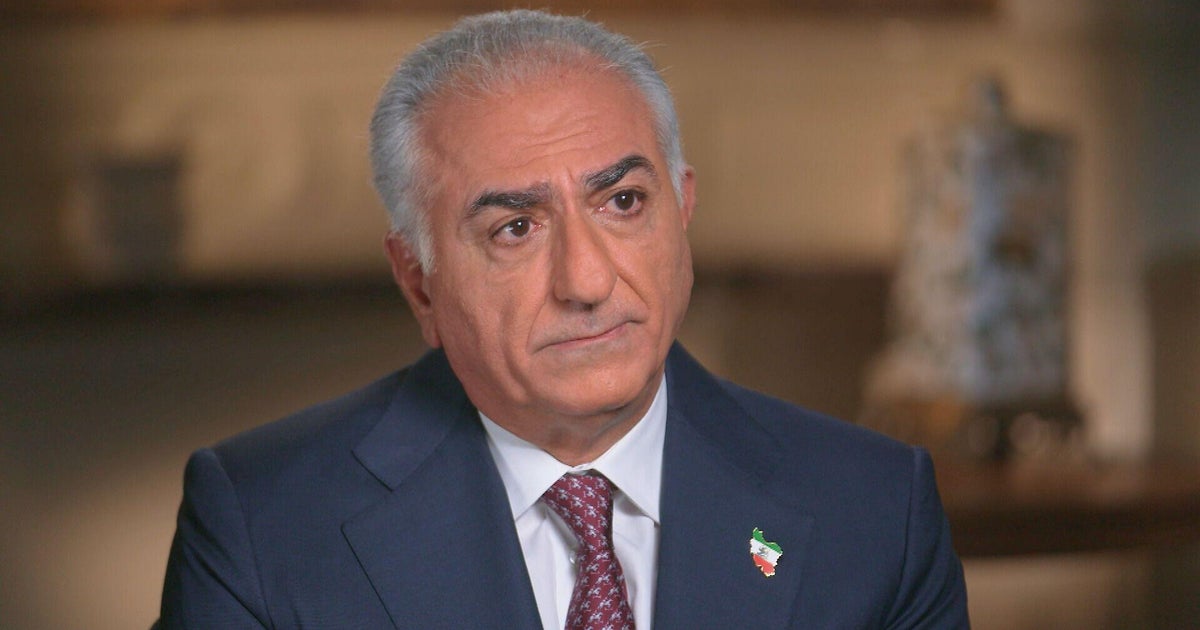
Reza Pahlavi, 65 and in exile since 1979, told reporters in Paris that the reported death of Iran’s supreme leader creates an opportunity for regime collapse and urged a transition he would lead; he advocates dismantling Iran’s nuclear weapons program, separation of religion and state, and normalization with Israel. Citing mass protests, prior deadly crackdowns and claimed defections within military and police ranks, Pahlavi framed a leadership vacuum that materially raises geopolitical risk and could reverberate through regional sanctions policy, energy and defense markets, and investor positioning.
Market structure: Near-term winners are energy producers (XOM, CVX), large defense primes (LMT, NOC, RTX) and safe-haven assets (GLD, GOVT/TLT) as a sudden Iranian leadership shock increases risk premia and a potential Strait-of-Hormuz premium (1–3 mbpd disruption scenario) could push Brent +10–30% in days-weeks. Losers are EM equities (EEM), regional banks and airline/leisure names (DAL, AAL) sensitive to fuel and travel disruption; shipping insurers and Gulf-facing supply chains will face immediate repricing. Cross-asset: expect USD strength, UST rally (2–4% drop in yields on flight-to-quality), VIX spikes >25, and widening IG/EM credit spreads by 50–150bp if violence escalates.
Risk assessment: Tail risks include a sustained closure of export routes or a wider regional war (low probability <20% but high impact: oil +50%, equities -25%), nuclear escalation, or targeted attacks on tankers/terminals; regulatory shocks include renewed sweeping sanctions affecting global banks and SWIFT access. Time horizons: immediate (days) volatility spikes; short-term (weeks–months) risk-off and commodity repricing; long-term (6–24 months) outcome-dependent: reform could normalize prices or fragmentation could keep premiums elevated. Watch triggers: formal succession announcement (0–14 days), confirmed attacks on shipping, Brent >$95 for 5 sessions, VIX >30.
Trade implications: Tactical: establish small overweight in defense and energy (2–3% portfolio each) and 1–2% gold (GLD) as hedge; use options to limit downside: buy 3‑month Brent call spread (85/105) sized to equal 1–2% portfolio risk or buy XOM 3‑month 1:1 call spreads (e.g., 90/100) for asymmetric upside. Relative plays: pair long LMT (2%) / short EEM (2–3%) to express security spending vs EM risk; volatility trades: buy a 1–2 week VIX call spread if VIX >22. Entry triggers: initial stakes now, add to positions if Brent breaches $90 or VIX breaches 25; trim when Brent <80 for 7 sessions and VIX <18.
Contrarian angles: Consensus may overpay for perpetual oil spikes — history (Gulf crises 1990/2011) shows 3–12 month mean reversion of 20–40% after initial shocks if exports resume or alternatives kick in. Defense multiples often price in sustained procurement; if transition in Iran reduces regional threat within 6–12 months, defense and energy gains could correct sharply — cap exposure and prefer options/defined-risk structures. Unintended consequence: rapid regime change could restore Iranian exports lowering prices; size positions to 2–3% and use stop-loss or time-decay-limited options to avoid being left long a post-resolution drawdown.
AI-powered research, real-time alerts, and portfolio analytics for institutional investors.
Request TrialOverall Sentiment
moderately negative
Sentiment Score
-0.45
