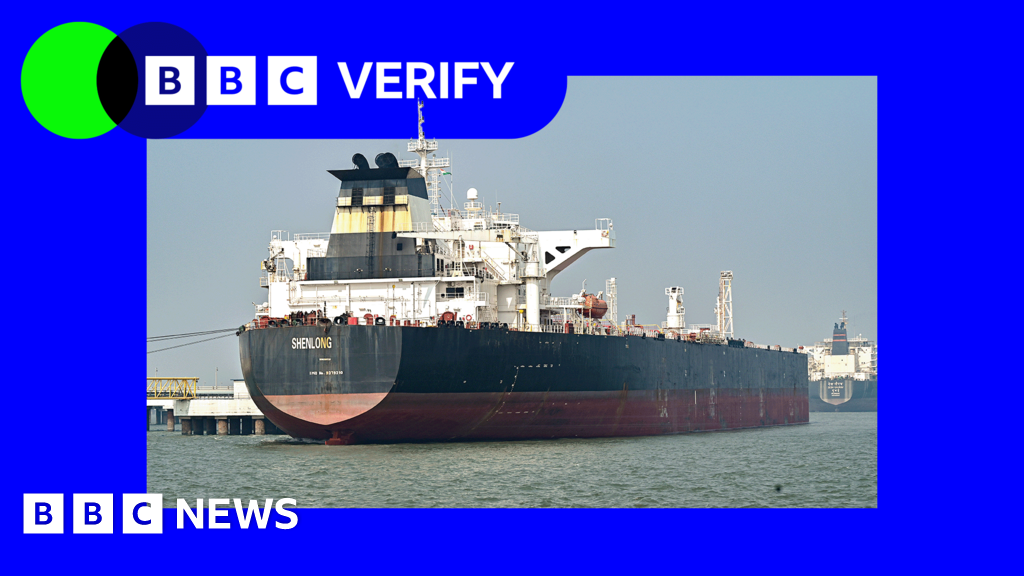
99 vessels have passed the Strait of Hormuz so far this month (about 5-6/day), a c.95% decline from the pre-war average of ~138 ships/day; the strait normally carries about 20% of global oil supplies. BBC Verify found ~1/3 of recent crossings had Iran links (14 Iran-flagged ships), and there have been 20 verified commercial attacks since the conflict began, including the March 11 strike on the Thai bulk carrier Mayuree Naree (3 crew missing) and at least one fatality on another vessel. Ships are rerouting closer to Iran's coast, turning off AIS and accepting Tehran's maritime control, increasing risks of disruption to oil flows and shipping insurance costs with significant implications for energy markets and logistics chains.
The market is already pricing a persistent premium on passage through the Gulf — not just from occasional strikes but from behavioural changes (AIS darkening, coastal hugging, tanker slow-steaming) that raise effective ton-miles and war-risk insurance costs. Expect freight and time-charter rates for crude/product tankers to re-rate on a structurally higher baseline until either naval escorts normalize transit or an insurance-capacity response reduces premiums; this is a multi-week to multi-quarter process rather than a single-day shock.
Second-order beneficiaries are asset owners that capture duration on freight (spot-oriented VLCC/product tanker owners) and brokers/reinsurers that can reprice war-risk cover; losers include just-in-time refiners and trading houses with tight feedstock timing, and any logistics provider that cannot switch to pipeline or localized storage. Importantly, increased passthrough of higher shipping cost to refined product markets compresses crack spreads unevenly — refiners with pipeline-sourced crude or domestic feedstock gain relative to those reliant on seaborne Middle East grades.
Key tail risks and catalysts: an extended mine/anti-access campaign or an incident that kills civilians would rapidly harden political responses and could cause days-to-weeks of enforced closure, spiking energy and freight vol. Reversals are credible if coalition escort lanes or coordinated minesweeping restore confidence within weeks, or if diplomatic de-escalation reduces state-directed interference; sanctions/enforcement actions targeting flagged vessels present an asymmetric legal/credit risk that could reprice owners overnight.
Positioning should therefore be tactical: capture freight upside while hedging a rapid political de-escalation, and avoid pure-play supply-chain choke-point exposure without operational mitigation. Liquidity is wound tighter; use liquid ETFs/large-cap equities and short-dated options to express views rather than concentrated private shipping names.
AI-powered research, real-time alerts, and portfolio analytics for institutional investors.
Request DemoOverall Sentiment
strongly negative
Sentiment Score
-0.70
