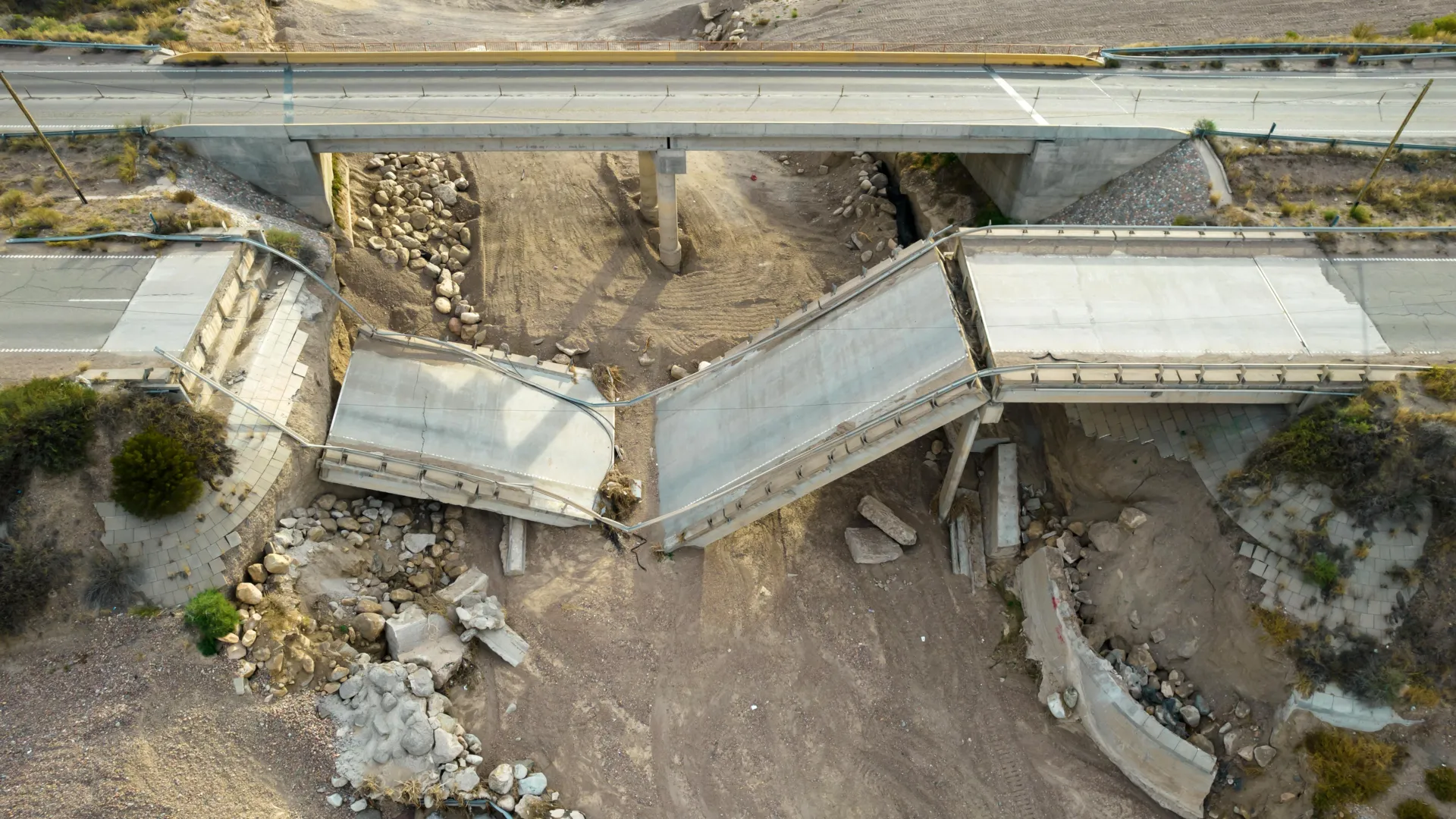
Study of 744 long-span bridges shows adding MT-InSAR satellite monitoring could reduce the number classified as high-risk by ~33% and provide regular oversight for >60% of the world's long-span bridges; currently <20% are equipped with structural health sensors. North America and Africa were identified as having the poorest bridge conditions; integrating Sentinel-1 and NASA NISAR data with on-site sensors can deliver more frequent millimeter-scale deformation measurements to better prioritize maintenance and reduce catastrophic failure risk, especially in regions lacking traditional monitoring.
This is a procurement and integration story more than a pure technology disruption: commercial SAR providers and geospatial analytics vendors win if they can convert one-off demonstrations into multi-year service contracts with DOTs, utilities and reinsurers. Expect a multi-stage revenue ramp: initial pilot programs and engineering validation (0–12 months), followed by procurement cycles and modest recurring SaaS/analytics revenue (12–36 months), and only after 3–5 years do large-scale retrofit and sensor-integration budgets flow at meaningful scale.
Second-order winners will be data integrators and software platforms that fuse SAR with LiDAR, on-bridge SHM and municipal asset-management systems — not raw imagery sellers. That creates a durable margin pool (software/platform) versus the lower-margin hardware/sensor business and raises barriers to entry because municipalities value curated, accredited decision workflows over raw pixels.
Insurers and reinsurers are an underappreciated buyer: better early-warning data compresses tail-event volatility and should reduce required capital for bridge-related casualty exposure; however, it also tightens underwriting discipline which could lower premium pools for construction insurers over time. Conversely, engineering firms and retrofit contractors that execute prioritized fixes will see lumpy near-term demand spikes tied to inspection reports — expect 15–30% revenue volatility quarter-to-quarter as priority lists are converted to work orders.
Adoption risk is the choke point. Political procurement, data-acceptance standards, and liability for false positives/negatives mean public agencies will roll out cautiously; vendors that lock in certification paths and indemnity arrangements will capture disproportionate share. Also watch satellite revisit cadence and persistent-scatterer density limits in urban/vegetated regions — these technical constraints determine which bridges produce actionable signals and therefore which local markets scale first.
AI-powered research, real-time alerts, and portfolio analytics for institutional investors.
Request DemoOverall Sentiment
mildly positive
Sentiment Score
0.25
