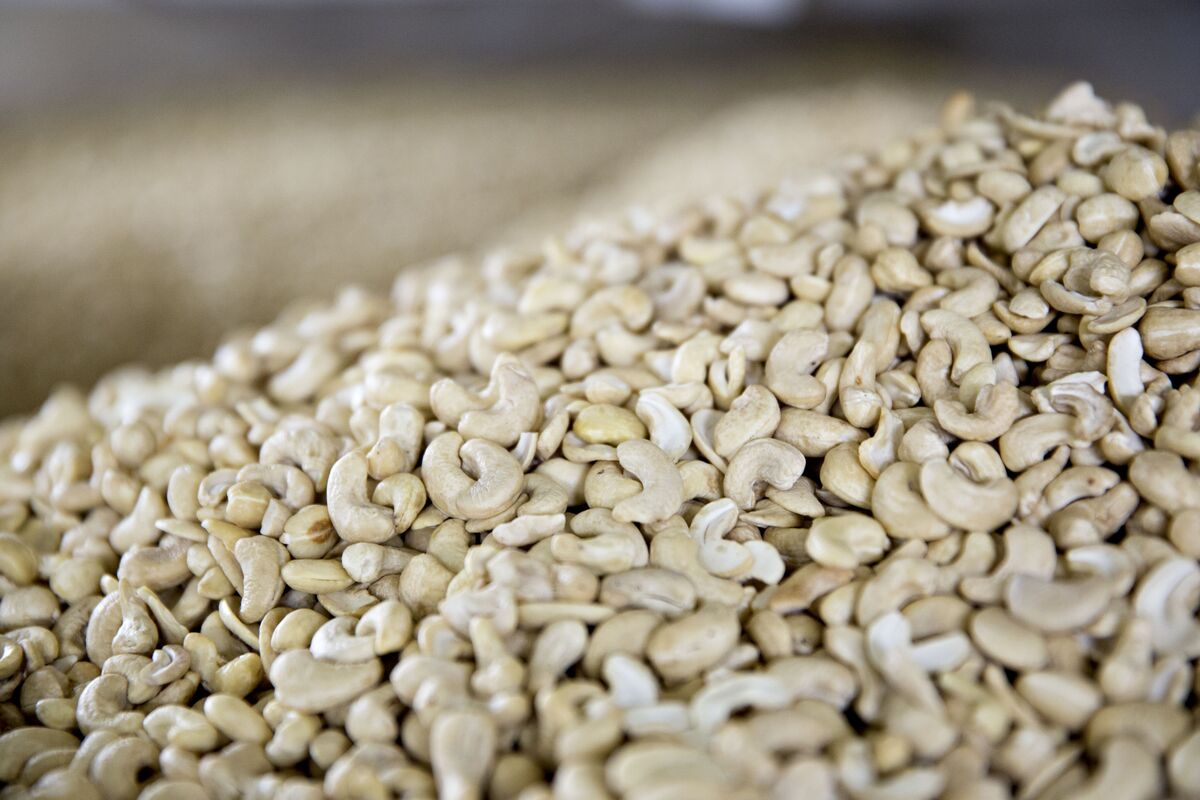
Navis Capital Partners plans to sell its majority stake in Dan-D Foods next year, indicating a potential private-market exit for the nuts and snacks company. The article provides no valuation, buyer, or timing details beyond the intended sale window. The news is factual and limited in market significance, with minimal expected price impact.
A sponsor exit in a small consumer staple is less about the target itself and more about signaling at the private-market level: if a majority owner is marketing a food asset, buyers will likely anchor on resilience, not growth, which favors strategics with procurement synergies and family-office capital that can underwrite lower IRRs. That dynamic should compress financing multiples for comparable mid-market packaged-food deals over the next 3-6 months, especially where leverage is constrained and margin expansion has already been harvested.
The second-order winner is likely the acquirer’s supply chain footprint: nuts and snack businesses are often margin-sensitive to commodity input volatility and logistics efficiency, so a buyer with adjacent distribution can extract 100-200 bps of EBITDA uplift without changing the top line. That creates a subtle but important pressure point for smaller regional competitors that rely on spot procurement or lack scale in private-label channels; they may see pricing discipline tighten if the eventual buyer uses the asset as a platform to push shelf space and rebate economics.
The main risk is deal slippage. In this size bucket, valuation gaps typically widen when rates stay higher for longer, and sponsor-to-sponsor exits are vulnerable to muted bid depth, so the most likely catalyst window is months, not days. If public consumer staples rerate lower or commodity costs reaccelerate, the buyer pool narrows quickly and the process could reprice downward, especially if lenders demand lower leverage and more equity check.
Contrarian angle: the market may assume this is a simple monetization event, but the better read is that it could be a signal of broader private-market illiquidity in defensively branded food assets. If so, comparable funds may be incentivized to prune similar holdings, which could create a pipeline of secondary opportunities for buyers with dry powder and operational tooling. In that scenario, the real trade is not the target, but the spread between forced seller expectations and patient capital bids.
AI-powered research, real-time alerts, and portfolio analytics for institutional investors.
Request DemoOverall Sentiment
neutral
Sentiment Score
0.05
