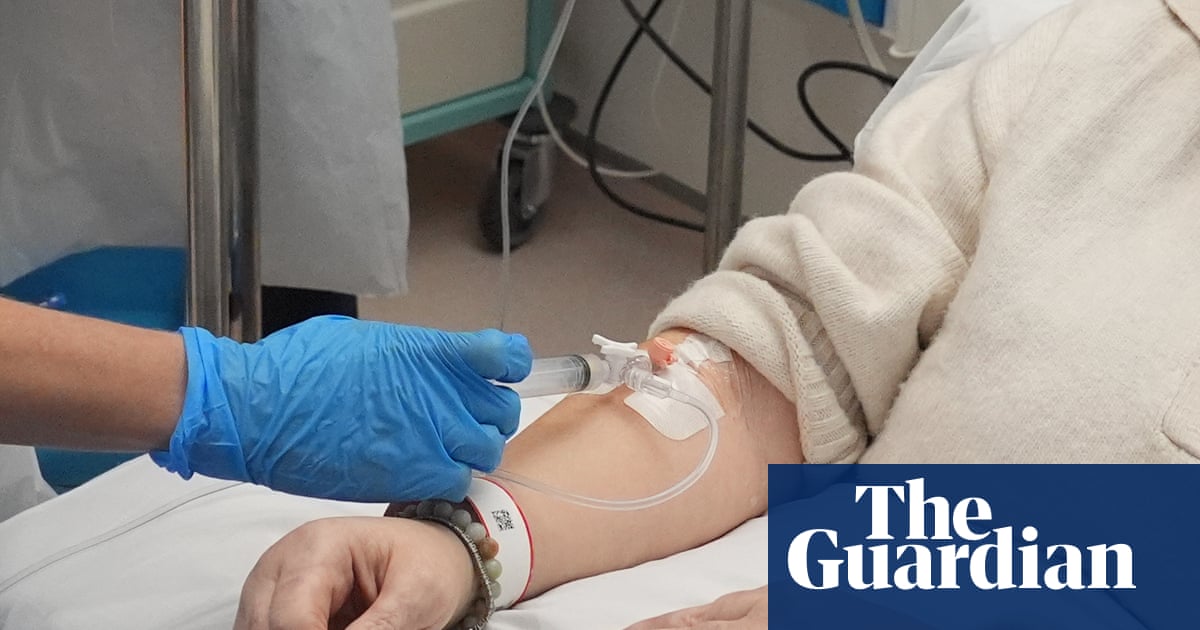
A 47-year-old patient with three refractory autoimmune diseases (AIHA, ITP, APS) achieved treatment-free remission for 14 months after receiving CD19-targeted CAR-T cell therapy at University Hospital Erlangen; transfusions ceased one week post-treatment and she resumed normal activities within two weeks. B-cell reconstitution months later appeared healthy, suggesting an immune-system reset, but investigators note low WBC and mildly elevated liver enzymes likely from prior therapies and emphasize the need for clinical trials to determine durability and broader applicability.
This case report materially raises the optionality value of CD19-directed cell therapy beyond oncology: a validated autoimmune signal would expand addressable market from acute hematologic malignancies (tens of thousands annual patients) into chronic autoimmune indications (hundreds of thousands to low millions), compressing payback timelines for firms with scalable manufacturing. The near-term commercial impact is limited (single-patient anecdote) but creates a 6–24 month window where manufacturers, CMOs and reagent suppliers can reprice capacity expectations if early-phase trials replicate outcomes.
Second-order beneficiaries are the manufacturing and logistics stack — cryopreservation, centralized GMP suites and high-throughput automation — which face immediate utilization leverage before label clarity; this favors diversified suppliers over single-indication, high-burn biotech names. Conversely, incumbent chronic therapies (e.g., repeated biologics/RTX cycles) and payers are the losers: a one-time, high-cost curative model will force novel outcomes-based contracting and push insurers to demand durable, randomized data before broad coverage.
Catalysts and tail risks are binary and time-staggered: 6–12 months for trial initiations and early safety signals, 12–36+ months for randomized efficacy and reimbursement negotiations. Reversal triggers include reproducibility failures, safety signals (infections, prolonged cytopenias), and payer pushback on one-time pricing; any of those could re-rate speculative developers back down sharply.
AI-powered research, real-time alerts, and portfolio analytics for institutional investors.
Request DemoOverall Sentiment
moderately positive
Sentiment Score
0.45
