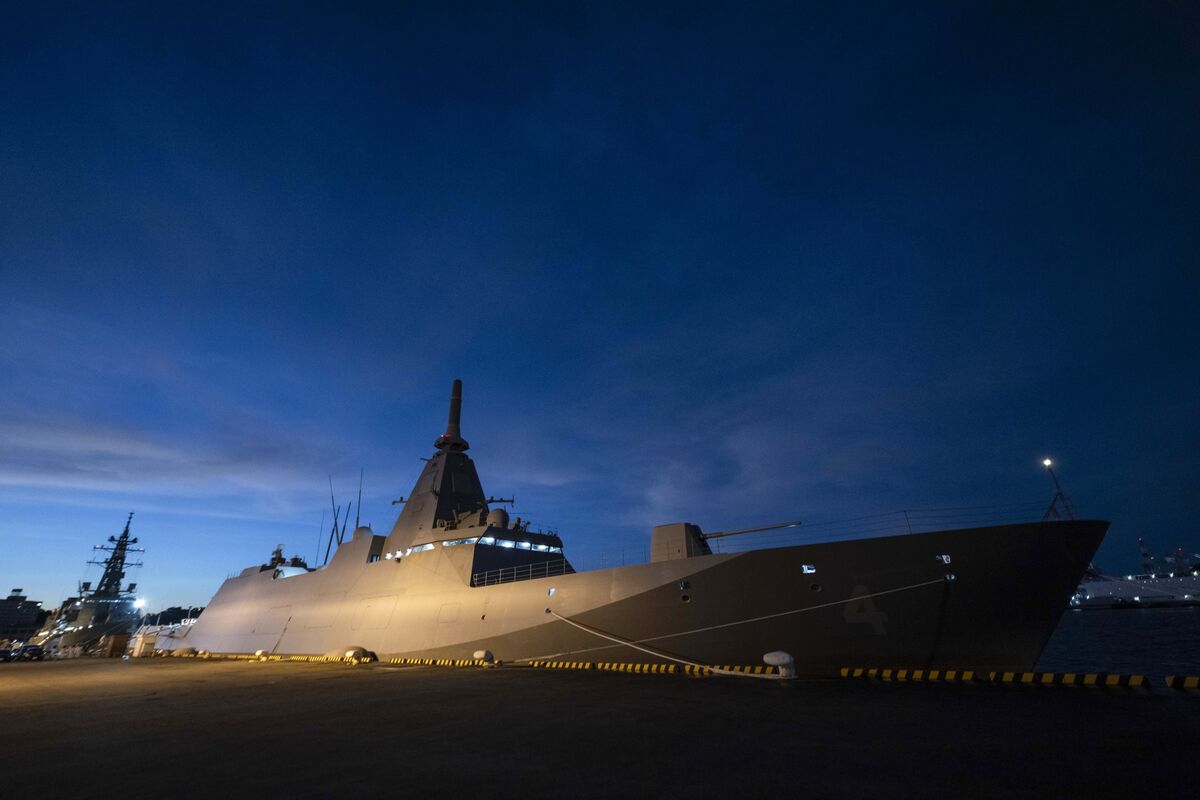
New Zealand is considering Japanese Mogami-class or UK Type 31 frigates to replace its aging warship fleet and strengthen defense capability. The move signals a potential future procurement decision, but no contract or spending amount has been announced yet. Market impact is likely limited to defense-sector sentiment rather than broad market pricing.
This is less a single procurement story than a signal that allied fleets are converging around interoperable, mid-cost frigate platforms. If New Zealand selects a Japanese or UK design, the real economic winner is the broader export ecosystem: combat systems, sensors, propulsion, and maintenance contracts tend to follow the hull order, creating a multi-year aftermarket annuity that is often larger than the initial shipyard margin. The likely second-order benefit is to suppliers embedded in Five Eyes logistics and software stacks, where commonality lowers integration risk and raises the odds of follow-on upgrades.
For the UK, the upside is more asymmetric than the headline suggests: a Type 31 win would reinforce the narrative that its naval export model is becoming credible after years of domestic procurement overruns elsewhere. That matters because shipbuilding is a reference business; one export approval can unlock a pipeline of smaller allied orders over 2-5 years, particularly where governments want politically safe defense spend without starting a bespoke design program. The downside is that if Japan wins, it further validates Japanese defense industrialization and could pressure UK yards’ export momentum even if near-term revenue impact is modest.
The contrarian view is that investors may overestimate the timing and near-term equity impact. Defense procurement tends to be front-loaded with announcements and back-end loaded in cash flow, so any listed beneficiaries likely see only a small near-term P&L effect unless the deal includes meaningful local build content. The bigger risk is that the decision slips or gets diluted by budget politics, which would push any market reaction from days into years. Another reversal catalyst would be a preference for lower-cost lifecycle support over sticker price, which can favor a different contractor mix than the headline shipbuilder.
AI-powered research, real-time alerts, and portfolio analytics for institutional investors.
Request DemoOverall Sentiment
neutral
Sentiment Score
0.10
Ticker Sentiment
