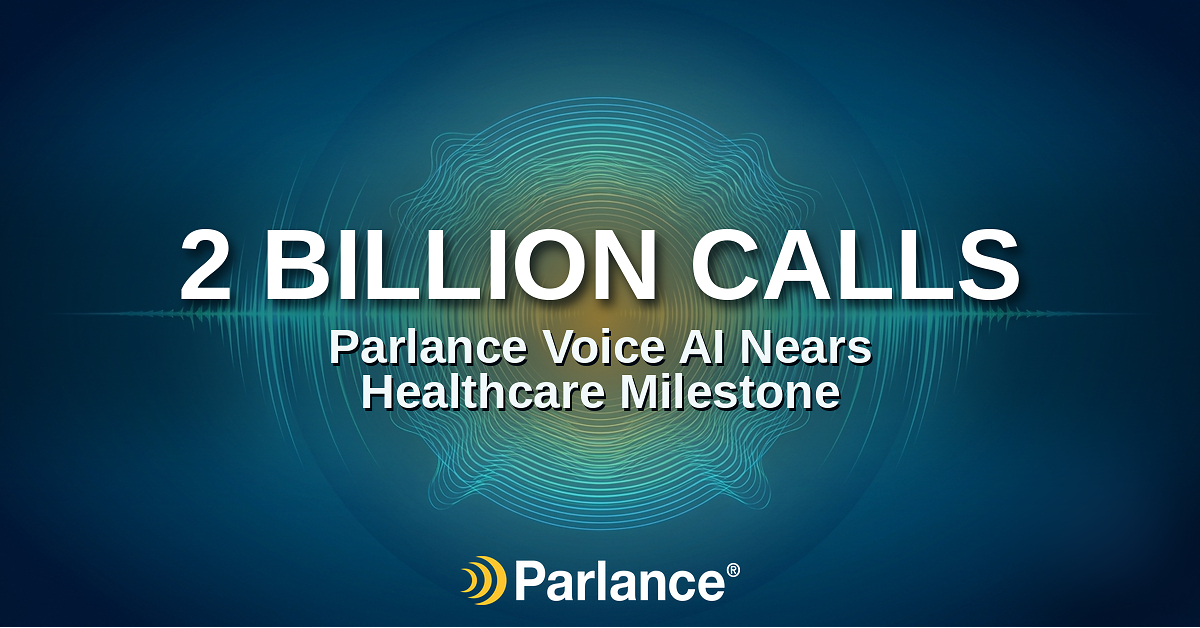
Parlance’s healthcare voice AI has answered 1.9B+ patient calls, sustaining 6+ calls per second with 87% caller engagement across 400+ health systems in the U.S., Canada, and the U.K. The platform claims a 33%+ reduction in live agent call volume on day one by resolving routine calls (scheduling, refills, FAQs, routing) with no hold time. Overall, the update is progress/traction-focused but is likely limited to incremental competitive positioning rather than broad market impact.
This is a modestly constructive operating-efficiency signal for HCA, but not a thesis-changing one. The key mechanism is not cost cutting in isolation; it is reducing leakage at the first point of contact, which can improve appointment conversion and downstream procedure capture. In hospital systems, a small improvement in call-to-visit conversion can matter more than a pure staffing save because it lifts higher-margin elective and outpatient revenue while trimming nonclinical overhead.
Second-order, the likely beneficiaries are the largest integrated systems with enough call volume to amortize workflow redesign: HCA, then peers like THC and UHS if they can replicate the model. The loser set is more diffuse: legacy call-center staffing vendors, outsourced patient-access operations, and any point-solution CCaaS provider without deep healthcare workflow integration. The risk is that most systems will redeploy rather than eliminate labor, so the near-term EBITDA upside could be mostly a timing story rather than a durable margin step-up.
The main falsifier is whether the technology actually changes throughput metrics at scale after implementation. If HCA does not show lower abandoned-call rates, faster appointment fill, or modest SG&A leverage over the next 1-2 quarters, the market should treat this as vendor marketing rather than a meaningful productivity trend. Longer term, if patient-access automation is proven across multiple health systems, it can become a quiet margin tailwind for large hospital operators, but the stock impact is likely to surface only after management quantifies it in guidance.
AI-powered research, real-time alerts, and portfolio analytics for institutional investors.
Request DemoOverall Sentiment
mildly positive
Sentiment Score
0.25
Ticker Sentiment
