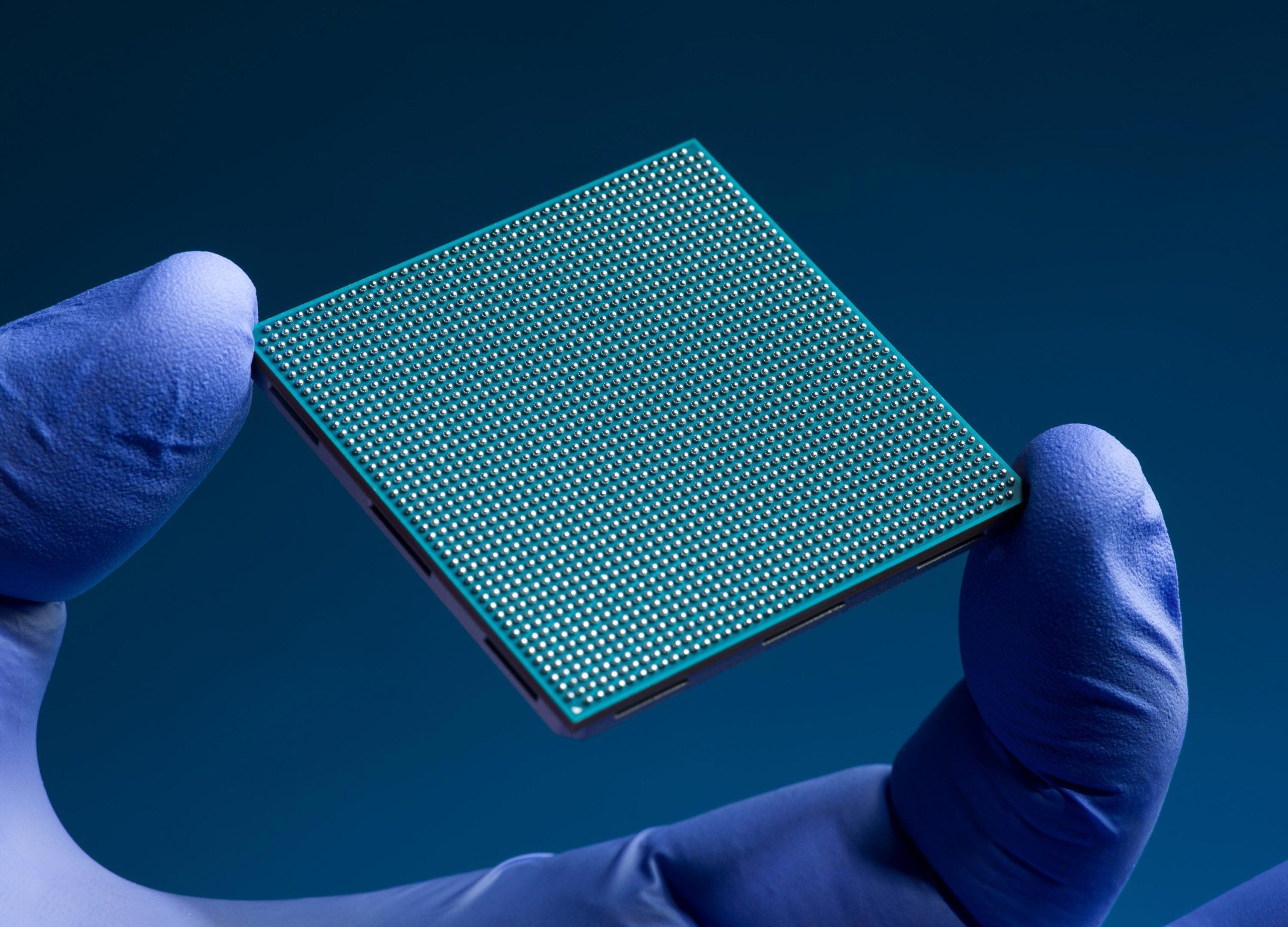
NASA’s new radiation-hardened space processor is designed to deliver up to 100x more computing power than current spaceflight computers, with early testing suggesting performance roughly 500x higher than existing processors. The chip could enable real-time AI decision-making, faster onboard data analysis, and future use across Earth orbiters, rovers, crewed habitats, and deep space missions. While strategically important for aerospace and defense, the near-term market impact is limited.
This is structurally positive for Microchip (MU) because it moves the company from “component supplier” toward an embedded platform provider in a niche where qualification cycles are long and switching costs are high. The bigger second-order effect is not unit volume but margin mix: space-grade, radiation-hardened compute is a specification moat that can support premium pricing, pull-through content in adjacent defense/aerospace programs, and create a reference design effect that spills into aviation, autonomous systems, and industrial edge AI.
The market is likely underestimating the timing asymmetry. Revenue from space programs will remain lumpy and small near term, but the option value from design wins is meaningful because once the platform is validated, procurement tends to cascade across multi-year mission pipelines. That makes the catalyst path more about qualification milestones, partner disclosures, and downstream adoption in defense/aviation than about immediate shipments; the stock can rerate before P&L impact is visible.
The key risk is that investors over-extrapolate a highly specialized program into a broad AI semis narrative. This is not a datacenter AI cycle proxy; it is a durable but slow-burn embedded compute story with execution and qualification risk, plus potential delay if radiation, thermal, or shock testing exposes corner-case failures. Another contrarian point: if the technology is truly generational, the ecosystem beneficiaries may include larger defense primes and subsystem integrators more than MU itself, because they control the mission system budget and can capture the software/autonomy layer.
Watch for three catalysts over the next 3-12 months: expanded defense/commercial aerospace sampling, certification progress, and any mention of adaptation into terrestrial ruggedized markets. The upside is that each positive milestone increases the probability of a broader pipeline without requiring near-term volume; the downside is that a single failed test or pushed timeline would likely compress the multiple quickly because the stock would lose its “strategic innovation” premium.
AI-powered research, real-time alerts, and portfolio analytics for institutional investors.
Request DemoOverall Sentiment
mildly positive
Sentiment Score
0.45
Ticker Sentiment
