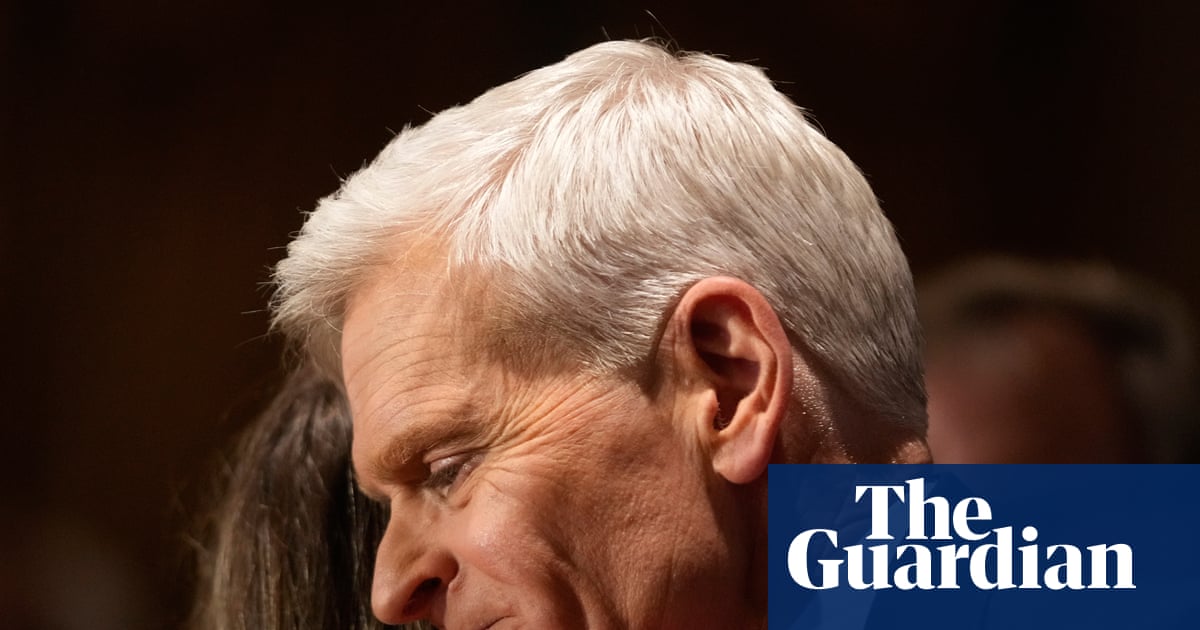
Bill Cassidy lost the Louisiana Republican primary after Trump-backed challengers Julia Letlow and John Fleming advanced to a runoff, with Letlow leading at 45.2% and Fleming at 28.3% versus Cassidy’s 24.4% with 98% counted. The result highlights continued political risk for Republicans who break with Trump and may shape Louisiana’s Senate race ahead of the June 27 runoff. The article also references Cassidy’s involvement in HHS nominations and health-policy votes, but the piece is primarily political rather than market-moving.
The immediate market read-through is not Louisiana-specific but signal-specific: Trump’s endorsement has become a practical gatekeeper for GOP incumbency, which increases policy volatility around healthcare, tech, and regulated sectors whenever a senator is seen as insufficiently aligned. That matters because committee chairs and swing votes are now more exposed to primary pressure, so the expected legislative path for Medicare, FDA oversight, telehealth, PBM reform, and health-agency nominations becomes less predictable over the next 6-18 months.
The second-order effect is that policy latency increases. Senators and House members facing primaries will be less willing to break with the base on contentious nominees or regulatory rollbacks, which raises the odds of “faster but lower-quality” confirmations and narrower oversight. For healthcare names, that is a mixed setup: nominally deregulatory for biotech and managed care, but higher headline risk if nominees or agencies become politicized, increasing the chance of abrupt reversals after elections.
The contrarian angle is that Cassidy’s loss may be less bullish for Trump than consensus assumes. It reinforces a weaker-incumbency environment in red states, but also validates a rule: loyalty now matters more than competence, which can produce worse governing outcomes and more frequent intraparty fights. That tends to widen the policy risk premium for sectors exposed to federal reimbursement and approval processes, even if the near-term market reaction is to discount the event as purely political noise.
Near term, the key catalyst is the runoff, but the higher-conviction horizon is the 2026 Senate map and the next wave of primary challenges. If Trump-backed candidates keep winning, expect more self-censorship from Republican legislators; if a few lose on quality/viability concerns, the market may reprice the odds of more pragmatic governance. The tail risk is that nomination fights and agency leadership become even more personalized, which could create 1-3 month trading windows around FDA, HHS, and CMS headlines.
AI-powered research, real-time alerts, and portfolio analytics for institutional investors.
Request DemoOverall Sentiment
mildly negative
Sentiment Score
-0.20
