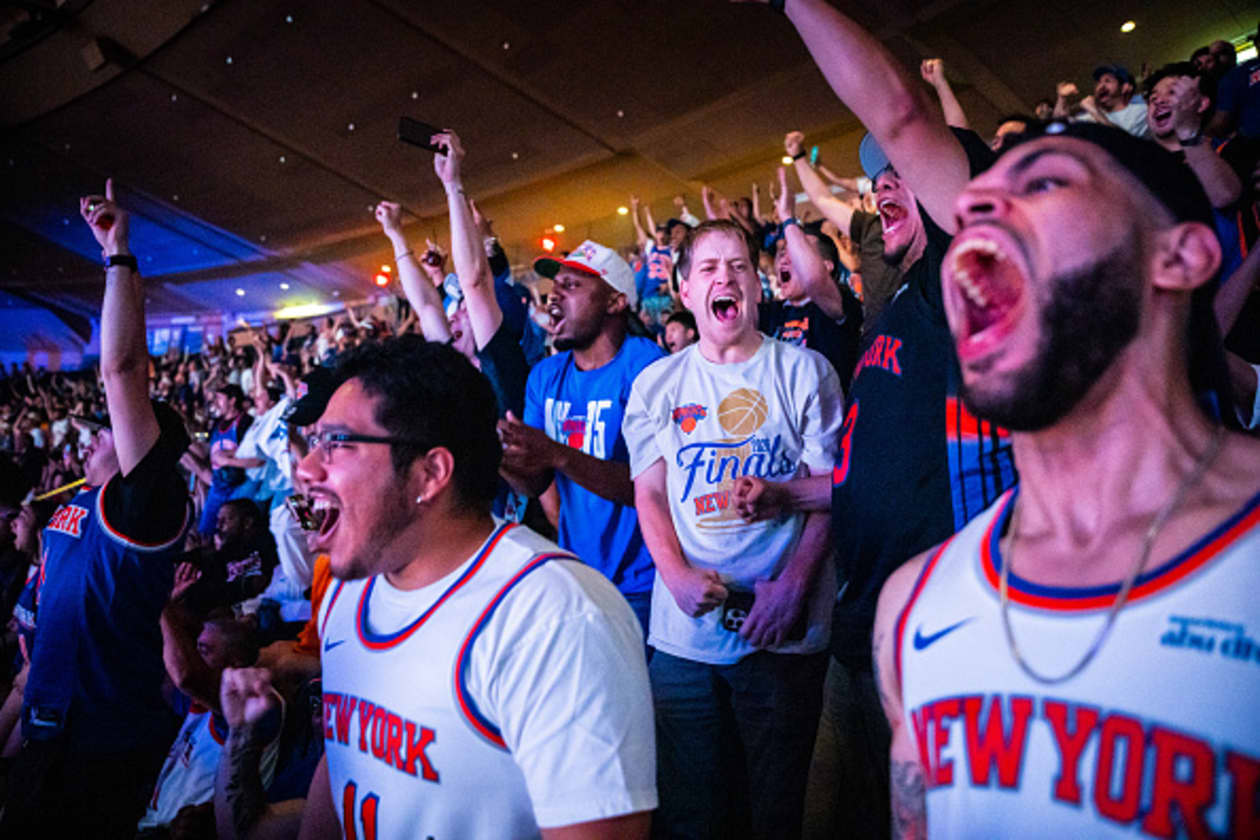
The article notes that NBA Finals tickets were starting at $1,400 including fees and the lowest-priced World Cup tickets were over $1,000, highlighting the rising cost of premium fan experiences. It frames these splurges as potentially worthwhile if they are affordable and personally meaningful, based on advice from therapists and financial experts. The piece is primarily consumer-advice commentary with minimal direct market impact.
This is a useful read-through on discretionary spending elasticity: ultra-premium live events are behaving more like status goods than normal entertainment, which means demand can remain sticky even when nominal prices become absurd. The second-order implication is that the highest-margin part of the sports economy is no longer the game itself but the scarcity layer around it — premium inventory, hospitality, travel, and resale/booking friction. That tends to favor platforms and venues with pricing power while compressing conversion for lower-income fan cohorts, which can soften broader attendance but raise per-capita spend.
The market angle is that this kind of spending bifurcation usually shows up first in adjacent spend categories before it appears in headline ticket data. Expect strength in premium lodging, rideshare, airport traffic, and experiential travel, while mass-market consumer names with exposure to discretionary trade-downs can lag if consumers are reallocating fixed entertainment budgets toward one-time events. If this behavior persists for 1-2 quarters, the winning businesses are those monetizing the full trip, not just admission; if it fades, it signals that the post-pandemic “experience premium” is finally hitting affordability limits.
The contrarian miss is that expensive tickets do not necessarily imply broad consumer strength; they can reflect scarcity and winner-take-most access dynamics, which are more about fandom intensity than household balance-sheet health. That makes the signal dangerous to extrapolate across the entire leisure complex. The key risk is a quick reversal if resale prices soften or if households start financing these purchases with reduced spend elsewhere, which would show up as weaker ancillary demand within 30-90 days rather than in ticket sales first.
AI-powered research, real-time alerts, and portfolio analytics for institutional investors.
Request DemoOverall Sentiment
neutral
Sentiment Score
0.05
