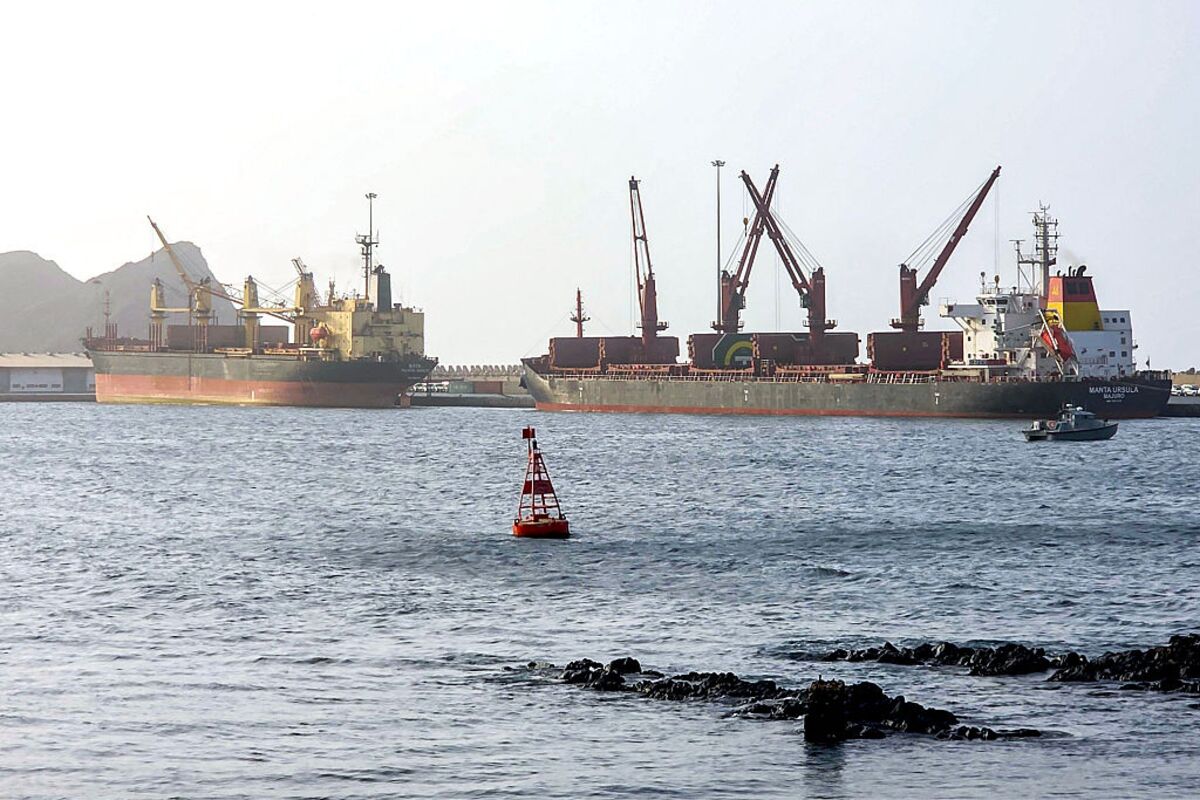
Iran said it is ruling out direct talks with the US for now, citing violations of an interim peace pact, while Trump indicated Washington may wait for Iran’s economic suffering to soften its stance. Iran also elevated a hardline ex-commander to a top national security role, signaling a tougher posture. The developments raise near-term geopolitical risk and may intensify market concerns around Iran-related sanctions and energy/security pricing.
The market-relevant channel is not diplomacy, it’s the probability of a sanctions-tightening / Gulf-disruption regime shift. A harder security posture in Tehran raises the left tail for crude, tanker insurance, and regional risk assets even if headline talks remain frozen; that should keep an embedded risk premium in Brent/WTI and support energy beta over the next 1-4 weeks. The first-order winners are upstream energy, oil services, and defense; the losers are airlines, refiners with weak product spreads, and import-sensitive cyclicals that cannot pass through fuel costs quickly.
The bigger second-order effect is on execution risk: if direct talks stay shut, the pressure valve becomes enforcement rather than negotiation, so the real catalyst is secondary sanctions or interdiction of shadow-fleet exports over the next 1-3 months. That would hit Chinese independent refiners, tanker names with opaque exposure, and EM credit spreads before it shows up in broad macro data. If instead Washington waits for economic pain to work, expect intermittent proxy incidents and shipping scares to be the path of least resistance, which argues for owning optionality rather than outright spot exposure.
Contrarian view: the market may be overpricing immediate supply loss. Iran has a long history of hardline signaling that does not translate into operational disruption, and unless there is a verifiable policy move on sanctions enforcement, crude may fade once positioning resets. The thesis is falsified if Brent/WTI give back the entire risk move within 5-10 sessions or if there is a credible diplomatic channel / waiver signal that lowers the probability of export interruption.
AI-powered research, real-time alerts, and portfolio analytics for institutional investors.
Request DemoOverall Sentiment
mildly negative
Sentiment Score
-0.25
