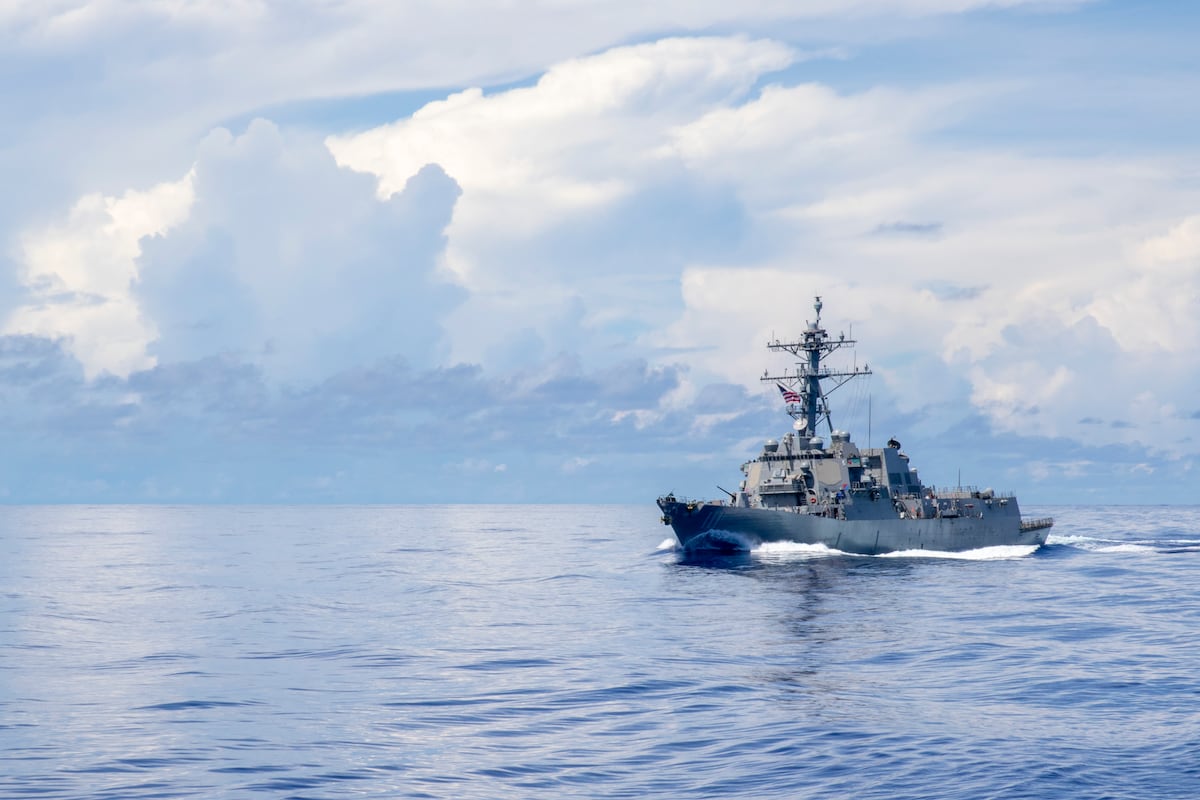
The U.S. Navy has now turned back 10 vessels since launching a blockade of the Strait of Hormuz on Monday, with zero ships breaking through. The blockade involves 10,000 troops, more than a dozen warships, and over 100 aircraft, raising the risk of a major disruption to Middle East shipping and energy flows. The escalation follows failed U.S.-Iran peace talks on April 11-12 and could pressure oil, freight, and broader risk assets.
This is less about an immediate oil shock and more about a forced repricing of maritime optionality. The key second-order effect is insurance: even if physical flows through the Strait remain partially available for non-Iranian cargoes, war-risk premiums, voyage delays, and contract renegotiations can widen the delivered-cost gap quickly across Gulf-to-Asia routes. That tends to hit refiners, shipping schedulers, and industrials with just-in-time inventories before it shows up in headline spot crude.
The market’s first instinct will be to bid up energy equities and tanker rates, but the more durable winner is likely U.S.-based midstream and domestic logistics tied to inland barrels, not globally exposed E&Ps. If the blockade persists for even 1-2 weeks, Asian refiners and petrochemical names with heavy Middle East feedstock exposure face margin compression from both higher crude input costs and freight dislocation. Defense and surveillance supply chains also gain a “mission urgency” premium, as prolonged enforcement increases wear-and-tear, munitions consumption, and sustainment demand.
The catalyst path matters: a short-lived standoff mostly lifts volatility and shipping rates; a multi-week blockade forces actual inventory re-routing and inventory precaution buying. The main reversal risk is diplomatic de-escalation or a U.S. decision to narrow enforcement, which would compress war-risk spreads faster than physical supply can normalize. Another underappreciated downside tail is miscalculation at sea—one incident can convert a contained blockade into a broader regional escalation, turning a logistics premium into a true supply outage.
Consensus is likely overestimating the immediacy of a crude shortage and underestimating the breadth of the margin shock across transportation and manufacturing. In other words, the first-order trade may be energy up, but the better second-order expression is “global trade frictions up,” which is usually bearish for cyclicals and shipping duration-sensitive businesses. If the blockade holds without escalation, the market may rotate from panic hedging into selective long defense/midstream and short global industrial beta within days.
AI-powered research, real-time alerts, and portfolio analytics for institutional investors.
Request DemoOverall Sentiment
strongly negative
Sentiment Score
-0.55
