
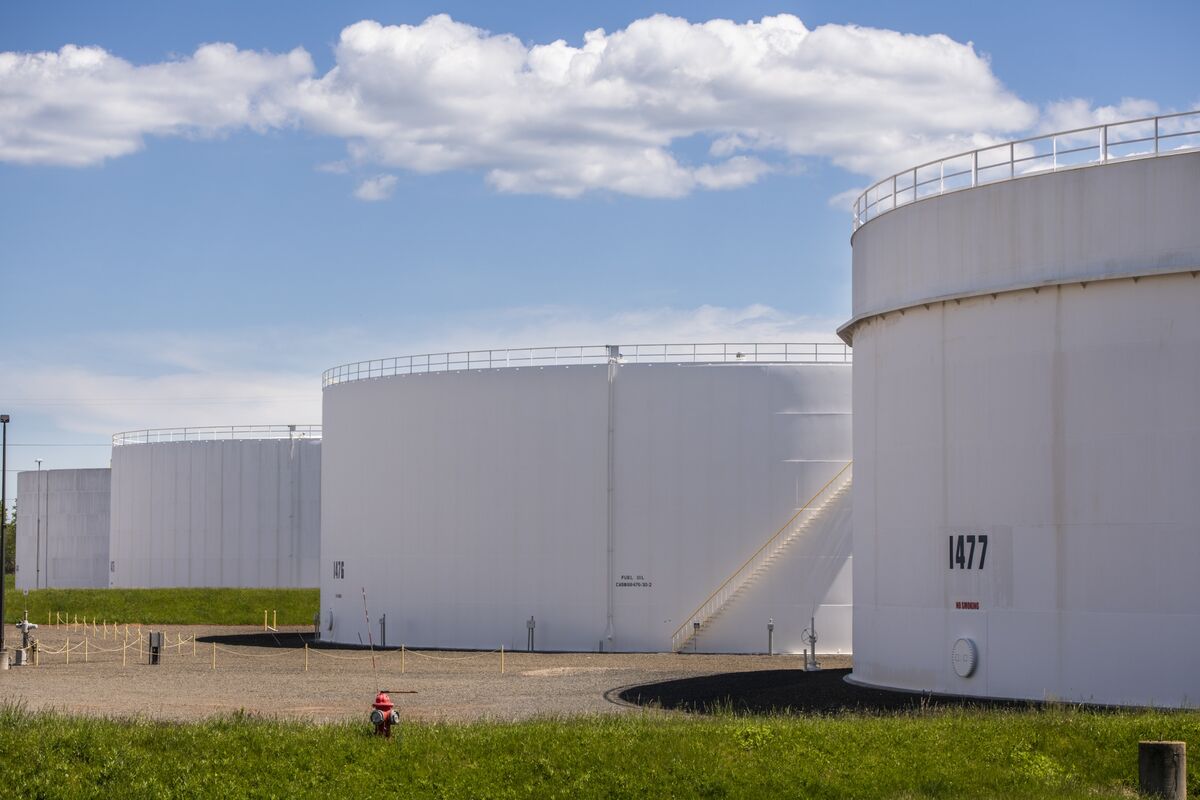
Fuel markets in the US and Europe are flashing record tightness as Hormuz escalation raises risks to Middle East supply flows, amid tanker attacks and Iran-backed Houthis activity. The disruption coincides with a plunge in Russian exports as Ukraine targets Russian refineries, compounding supply pressure. The net effect is renewed upside risk to pump prices and near-term margin stress for refiners and consumers.
The cleanest second-order winner is not crude producers but downstream complexity: refiners with export optionality and light feedstock exposure should capture a wider crack-spread regime faster than upstream names. That argues for US Gulf Coast refiners and against fuel-intensive users; airlines, trucking, parcel, and European industrials face immediate margin compression because jet, diesel, and bunker costs move faster than their pricing power. Shipping insurers and tanker operators can also see a short-lived fee/war-risk premium, but that tends to be volatile and headline-driven rather than a durable earnings stream.
The key risk is that this is initially a risk premium, not a permanent supply shock. Over 1-3 months, the move can unwind if governments release strategic stocks, diplomatic channels reduce attack frequency, or refinery outages elsewhere normalize product availability; the market will likely fade the panic unless physical flows are actually reduced. A sustained squeeze becomes more credible only if product inventories keep drawing and refining margins stay elevated into the next earnings season.
Contrarian view: consensus may be overpricing the duration of the tightness while underpricing demand destruction. If retail fuels stay elevated, the first real macro response is usually lower discretionary travel and freight volumes, which would hit cyclicals before it meaningfully changes crude balances. I would treat this as a relative-value event, not a broad energy supercycle call, unless prompt spreads and crack margins keep widening after the next inventory and airline-guidance cycle.
AI-powered research, real-time alerts, and portfolio analytics for institutional investors.
Request TrialOverall Sentiment
mildly negative
Sentiment Score
-0.35
Ticker Sentiment
