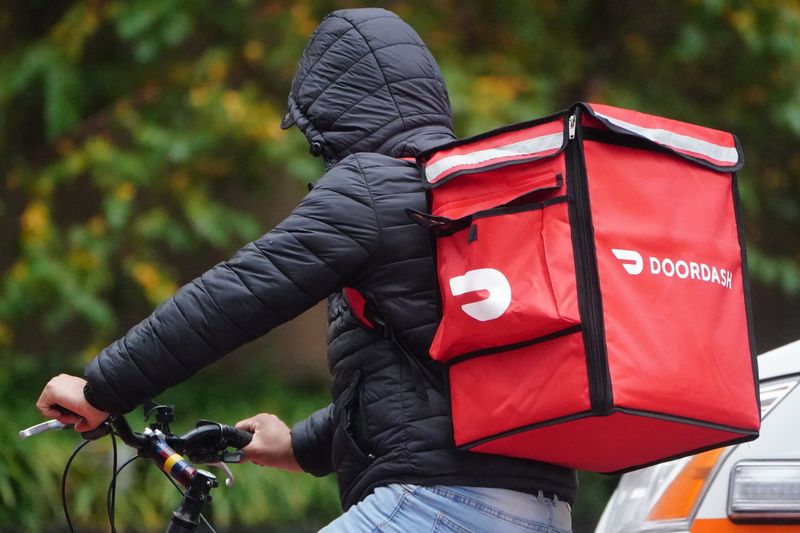
Urban Outfitters launched a nationwide on-demand delivery partnership with DoorDash, marking its entry into this channel and adding a new customer-access point during graduation season. DoorDash also reported Q1 2026 EPS of $0.42, beating the $0.37 estimate by 13.5%, though revenue of $4.04B missed the $4.15B consensus. The article is primarily a retail partnership update with limited immediate market impact, despite the mixed earnings backdrop for DoorDash.
This is more important for URBN’s unit economics than for DASH’s top line. The real upside is not transaction revenue; it is whether delivery converts “dead browsing time” into incremental basket capture without forcing a permanent subsidy, which would be the classic trap for on-demand retail. If the promo proves demand is sticky after May, URBN gets a new fulfillment layer that can widen frequency and reduce missed-occasion sales, especially around gifting and last-minute purchases where speed matters more than shipping cost.
For DASH, the strategic read-through is that the platform is trying to prove it is an acquisition and conversion channel for non-food verticals, not just a restaurant marketplace. That matters because retail orders can be high-AOV but lower-repeat, so the mix effect could improve gross order value while leaving contribution margin flat or worse unless batching, routing density, and merchant-funded promotions scale. In other words, the market may be underestimating the option value of category expansion while simultaneously overestimating near-term margin durability.
The second-order winner is likely urban-convenience logistics and same-day inventory visibility, while the losers are incumbent last-mile and parcel networks that depend on fashion/beauty urgency to justify premium pricing. For URBN, the risk is channel conflict: if consumers learn they can wait for DoorDash instead of visiting stores, the partnership may cannibalize high-margin in-store add-on purchases unless the program is tightly limited to incremental occasions. The setup is constructive over days to weeks, but the real catalyst window is the next one to two quarters when management commentary can reveal whether the partnership is driving new demand or merely shifting it across channels.
Consensus may be too focused on the headline partnership and not enough on the sequencing: the first phase is promotional and likely margin-dilutive, but the second phase could create a data moat around urgency-driven apparel demand if the merchant sees repeatable conversion lift. That makes URBN the cleaner tactical beneficiary if investors believe the initiative is disciplined; DASH is the more interesting medium-term compounder if more non-food brands follow and the network can monetize them without eroding contribution margins.
AI-powered research, real-time alerts, and portfolio analytics for institutional investors.
Request DemoOverall Sentiment
mildly positive
Sentiment Score
0.15
Ticker Sentiment
