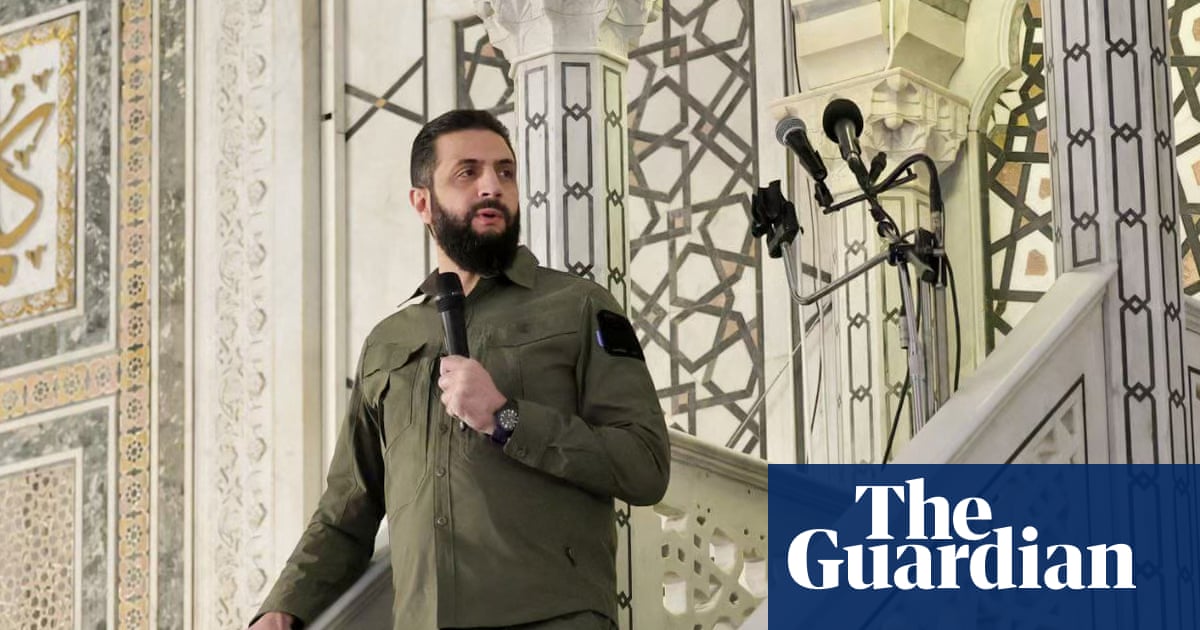
Since taking office on 29 January 2025, President Ahmed al-Sharaa has secured significant international engagement — including visits from all 15 UN Security Council envoys — and reported overseas pledges such as Saudi commitments exceeding $6bn and Qatari assistance to revive Syria’s oil and gas industry; a final set of US sanctions is expected to be voted on before Christmas. Despite diplomatic momentum and reported joint US-Syrian intelligence operations, Syria faces acute political and security risks (nearly 1,000 Israeli airstrikes and 600+ ground incursions historically), stalled Kurdish (SDF) integration (SDF claims ~70,000 fighters and controls ~25% of territory) and severe data opacity (the central bank says true GDP is unknown), making investment flows and sovereignty restoration highly conditional and risk-sensitive.
Market structure: Normalisation of Syria is a regional reallocation trade more than a global commodity shock — Gulf capital ($6bn+ pledged) and Qatari oil/gas support chiefly benefit Gulf sovereigns, regional contractors and energy service firms while leaving global oil supply virtually unchanged (Syria <1% global oil). Expect tighter credit spreads for proximate EM borrowers (Lebanon, Jordan) if sanctions are lifted; FX: modest appreciation pressure on Levant currencies versus safe havens; Israeli shekel and Turkish lira will see elevated event-driven volatility.
Risk assessment: Key tail risks are renewed Israeli strikes, a collapse of SDF integration, or a reversal of US sanction relief (low-probability but high-impact). Time horizons: immediate (days) = headline-driven FX/volatility spikes; short-term (weeks–months) = re-rating of Gulf equities and regional bank credit; long-term (quarters–years) = reconstruction contracts and material fiscal flows into Syria if stability holds. Hidden dependencies include US domestic politics (Trump’s stance), Turkey–PKK talks, and the sequencing of SDF disarmament which could trigger localized insurgency.
Trade implications: Tactical longs should favour Gulf equity exposure (KSA, QAT ETFs) and select global oilfield services (SLB, HAL) for optionality on reconstruction contracts; protect with small tail hedges on Israeli/Turkish political risk (EIS puts or VIX calls). Use LEAP calls to capture reopening upside (9–12 months) and short-duration options/put spreads to cost-effectively hedge near-term escalation risk. Monitor two catalysts: a US vote to lift the final sanctions (expected before Christmas) and any announced Gulf-funded contracts >$250m which should re-rate contractors.
Contrarian angles: Consensus prices either perpetual instability or full normalization; the mispricing is in underweighting gradual, Gulf-led reconstruction rather than instant regime repair. If sanctions are lifted and no major flare-up occurs within 90 days, regional risk premia should compress 100–300bp in local bond markets — favor selective long credit. Conversely, rapid Turkish–Kurd accommodation would be an overlooked bullish trigger for Turkish assets; downside is a renewed Israeli campaign which would quickly re-price defense and safe-haven assets.
AI-powered research, real-time alerts, and portfolio analytics for institutional investors.
Request DemoOverall Sentiment
mixed
Sentiment Score
0.08
