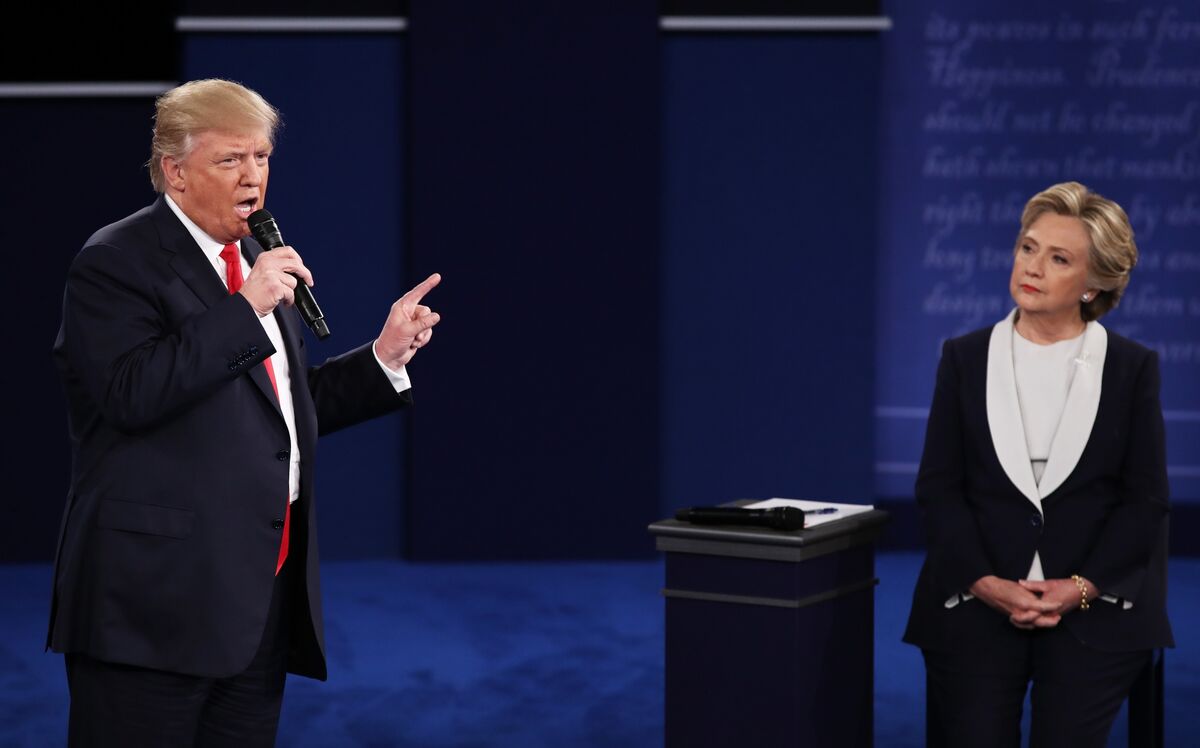
The 11th U.S. Circuit Court of Appeals affirmed the dismissal of former President Donald Trump's civil suit accusing Hillary Clinton and others of conspiring to smear his 2016 campaign, backing a Florida federal judge who deemed the complaint an improper political “manifesto.” The court also upheld nearly $1 million in sanctions against Trump and his then-attorney for bringing what it called a frivolous lawsuit, effectively closing this legal avenue and imposing a significant financial penalty while offering limited market implications.
Market-structure: This court loss is a political/legal event with negligible direct corporate winners or losers but it subtly reduces one vector of systemic post-election governance risk. Expect an incremental compression of the “political-risk premium” priced into US assets — I estimate a 5–15bp downward shift in municipal and corporate credit spreads over the next 1–3 months if no new high-profile litigation emerges. Equity-sector effects will be diffuse; large-cap defensives and tech see the least change while small-cap, highly levered names remain most sensitive to headline-driven flows.
Risk assessment: Tail risks remain asymmetric — continued appeals or parallel indictments could reintroduce headline volatility; assign a 20–30% chance of renewed, market-moving legal headlines within 6–12 months. Immediate (days) reaction should be muted; short-term (weeks–months) volatility may tick up around court calendar milestones and debates; long-term (quarters) the key variable is whether litigation changes election probabilities by >3–5 percentage points. Hidden dependencies include donor flows, primary calendar shocks, and media amplification; catalysts are appellate rulings, indictment schedules, and major poll shifts.
Trade implications: Implement low-cost insurance and relative-value trades rather than directional political bets. Use 60–120 day option structures to hedge sudden political-volatility spikes and favor cyclical financial exposure if political tail-risk falls. Avoid concentration in politically sensitive small caps and litigation-dependent service providers.
Contrarian angles: Consensus treats this as “no market story,” which underprices the persistence of political litigation as a volatility generator — cheap to buy protection now. If implied VIX remains <18 and SPY upside/downside skew is muted, buy asymmetrical downside protection; if polls move >3–5pts or a major new indictment occurs, volatility regimes can flip quickly and justify scaling protection by another 1–2% of portfolio.
AI-powered research, real-time alerts, and portfolio analytics for institutional investors.
Request DemoOverall Sentiment
neutral
Sentiment Score
0.00
