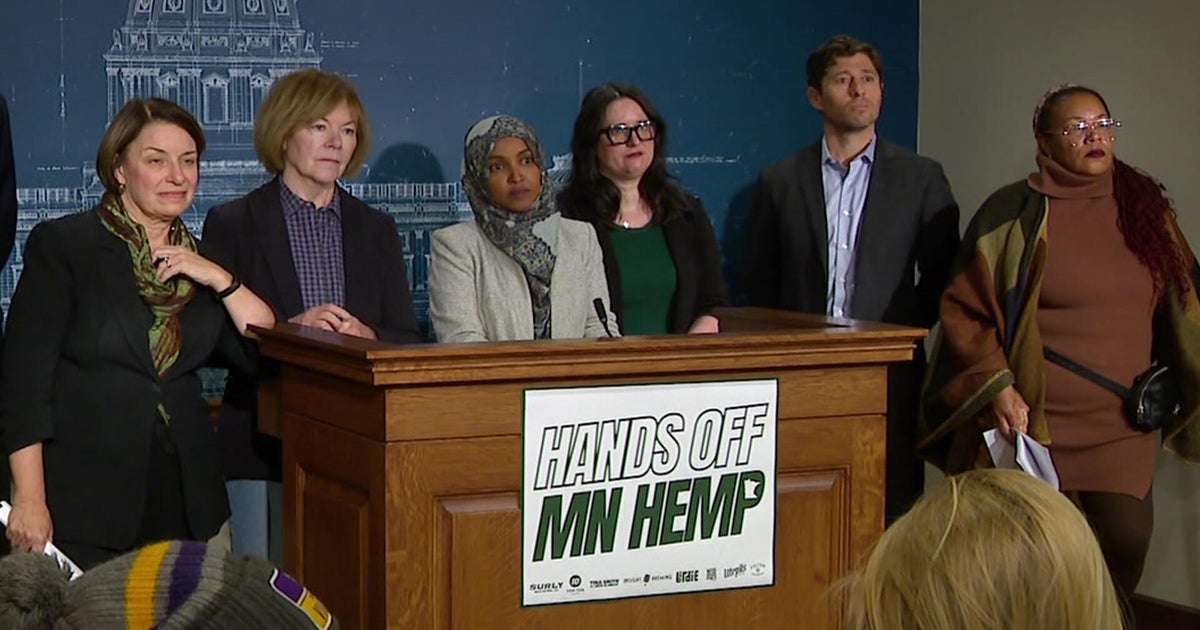
A recent surprise federal ban targeting hemp-derived THC products has prompted bipartisan pushback from Minnesota lawmakers including Senators Amy Klobuchar and Tina Smith, who joined Sen. Rand Paul in opposing the measure and vow to seek revisions; dozens of state attorneys general, including Minnesota AG Keith Ellison, urged Congress to tighten hemp definitions to block synthetic cannabinoids. Small business owners in Minnesota warn the ban risks job losses and lost revenue in retail and local manufacturing, while lawmakers seek a legislative compromise amid constituent pressure, creating regulatory uncertainty for companies and investors in the hemp/THC consumer market.
Market structure: A federal ban on hemp-derived THC is a clear win for regulated, state-licensed cannabis operators (MSOs) and an acute loss for hemp CPG brands, vape/convenience retailers and testing/packaging suppliers. Expect legal-shelf SKU counts of delta-8/novel-THC products to drop materially (conservatively 50–80%) in affected outlets within 30–90 days, shifting pricing power to MSOs and black‑market suppliers while spiking small‑cap equity and credit stress in the hemp supply chain.
Risk assessment: Tail risks include full federal prohibition/enforcement actions, banking de‑risking for hemp firms, and rapid state-level litigation (low‑probability but high impact). Immediate window (days): political messaging and stock knee‑jerk moves; short (weeks–months): votes/amendments and FDA/DOJ guidance; long (quarters–years): industry consolidation, higher compliance costs and margin compression for hemp players. Hidden dependencies: state AG coordination, insurer/bank pullback, and retailer lease covenants.
Trade implications: Favor regulated MSOs with strong balance sheets and inventory (e.g., Trulieve TCNNF, Cresco CRLBF, Curaleaf CURLF) and avoid/short pure‑play hemp CPGs (Charlotte’s Web CWB/CWBHF). Opportunistic trades: buy 3‑month call spreads on resilient MSOs and buy 3–6 month puts on small hemp names; allocate small option tickets (0.5–2% NAV) given binary regulatory risk. Rebalance if Senate amends within 60 days or DOJ issues permissive guidance.
Contrarian angles: Consensus assumes permanent market destruction for hemp; that underprices political upside (senators like Klobuchar/Smith oppose the ban) and legal carve‑outs. Historical parallels: e‑cigarette flavor crackdowns created black markets and consolidated incumbents—expect similar consolidation here. If Congress amends definitions within 30–60 days, short squeezes and rapid mean reversion are likely; set explicit thresholds to flip positions.
AI-powered research, real-time alerts, and portfolio analytics for institutional investors.
Request DemoOverall Sentiment
mildly negative
Sentiment Score
-0.25
