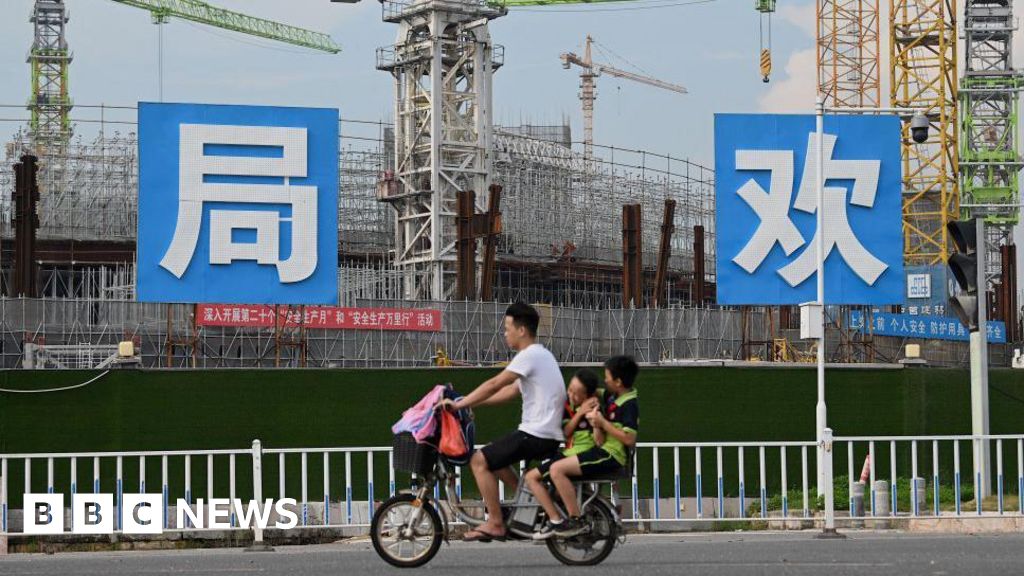
Evergrande shares have been delisted from the Hong Kong stock market following a January 2024 winding-up order, capping a crisis that saw the company default in 2021 and its founder banned for life after overstating revenue by $78 billion. The property giant, which expanded aggressively with over $300 billion in debt, filed for US bankruptcy in August 2023 and saw its shares lose over 99% of their value. This ongoing crisis significantly impacts China's economy, where real estate accounts for roughly one-third of GDP, affecting the financial sector, construction, and consumer spending, as Beijing shifts its economic focus from property to high-tech manufacturing and AI, notably avoiding direct developer bailouts.
Evergrande's delisting from the Hong Kong stock market marks the culmination of a catastrophic corporate collapse, precipitated by a winding-up order from the Hong Kong High Court in January 2024. The crisis is rooted in profound governance failures, most notably the fraudulent overstatement of $78 billion in revenue, which resulted in a lifetime ban from China's capital markets for its founder, Hui Ka Yan. The company's aggressive, debt-fueled expansion, accumulating over $300 billion in liabilities, became untenable following Beijing's 2020 regulations designed to deleverage the property sector. This regulatory pressure, combined with the company's 2021 debt default and subsequent U.S. bankruptcy filing, led to a more than 99% destruction of its equity value. The fallout extends far beyond the company, creating significant systemic risk for the Chinese economy where the real estate industry accounts for approximately one-third of GDP. This has suppressed the financial and construction sectors, eroded household wealth, and dampened consumer spending. Critically, the Chinese government has refrained from direct developer bailouts, signaling a tolerance for market-driven failures to curb moral hazard. This response coincides with a clear strategic pivot in national economic policy, shifting focus from property-led growth towards high-tech manufacturing, AI, and renewable energy.
AI-powered research, real-time alerts, and portfolio analytics for institutional investors.
Overall Sentiment
extremely negative
Sentiment Score
-0.85
