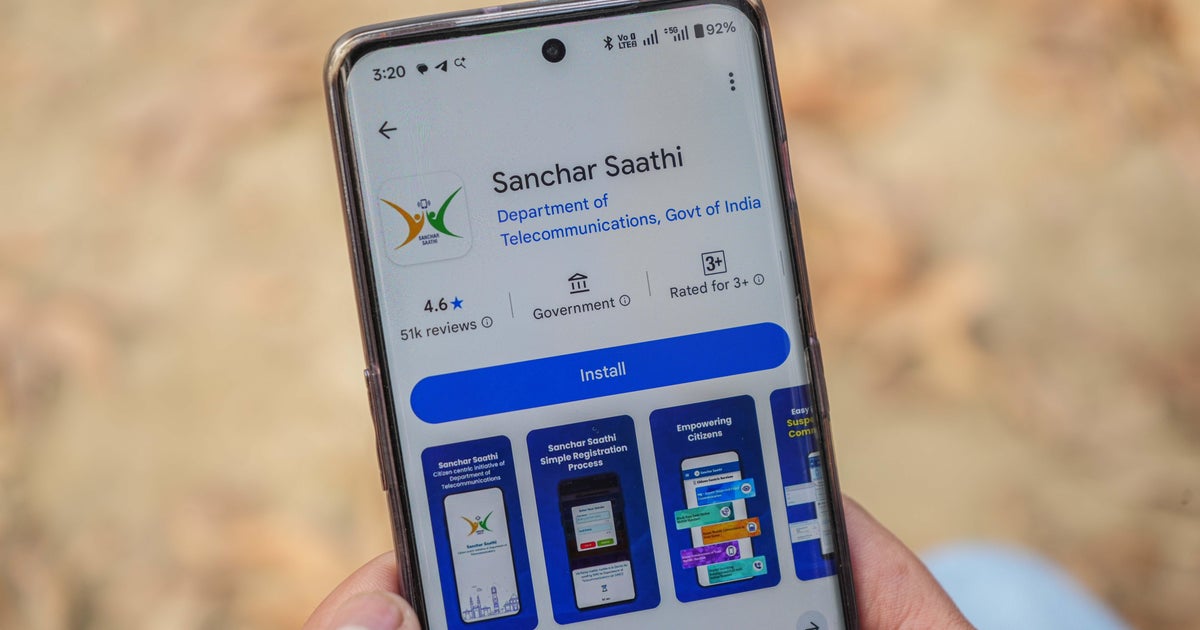
India revoked a controversial order that had required smartphone makers to preinstall a government-developed security app, Sanchar Saathi, after opposition parties and privacy advocates accused it of enabling state surveillance. The ministry said preinstallation is no longer mandatory; officials defended the app as a cybersecurity tool that has been downloaded 14 million times and used to trace 2.6 million lost/stolen phones and disconnect 4 million fraudulent connections. The episode highlights heightened regulatory and political risk for device manufacturers operating in India and unresolved privacy and implementation questions that could affect vendor compliance and consumer trust.
Market structure: Revocation materially reduces the probability of forced software bundling in India, a win for Apple (AAPL) and other premium OEMs that preserve control over system partitioning and App Store economics. Winners: AAPL (preserves pricing power and brand trust), privacy-focused firms; losers: domestic surveillance-app vendors and any low-margin OEMs counting on government distribution. Supply/demand: no meaningful change to handset supply, but consumer trust/headline risk reduced, likely preventing a 1-3% hit to iPhone demand in India over the next 3–6 months.
Risk assessment: Tail risks include a reintroduction of mandatory preinstall rules (10–25% probability in 6–12 months) or a data-exfiltration scandal forcing punitive tariffs/ban on certain models (5–10% severe downside). Immediate (days): sentiment relief for AAPL/tech; short-term (weeks–months): political noise and vendor pushback could spike volatility; long-term (quarters–years): precedent for transparency demands (open-sourcing, minimal permissions) that raise compliance costs 1–3% of revenues for affected app vendors. Hidden dependencies: telecom operator databases (IMEI) and law-enforcement access are single points of failure that can trigger regulatory shocks.
Trade implications: Tactical long AAPL exposure is favored given avoidance of forced installs; cybersecurity SaaS names (CRWD, ZS) are secondary beneficiaries as enterprises/governments re-evaluate controls. Options: favor defined-risk bullish structures on AAPL (3-month call spread) rather than naked calls given political tail risk. Cross-asset: INR may see 0.5–1% swings on renewed headlines; Indian sovereign bonds less affected unless policy escalates.
Contrarian view: Consensus underestimates the upside to Apple’s Indian brand from standing firm — the market may underprice a 2–5% accelerated ARPU gain in India over 12 months. Conversely, the ruling party could reintroduce a narrower technical requirement (system APIs/logging) that markets dismiss today but would materially expand regulatory compliance costs for OEMs and app vendors. Historical parallel: China's 2016–18 app requirements ultimately boosted domestic alternatives; India may produce hybrid outcomes that favor global privacy brands or prompt local incumbents to capture addressable share.
AI-powered research, real-time alerts, and portfolio analytics for institutional investors.
Request DemoOverall Sentiment
mildly negative
Sentiment Score
-0.25
Ticker Sentiment
