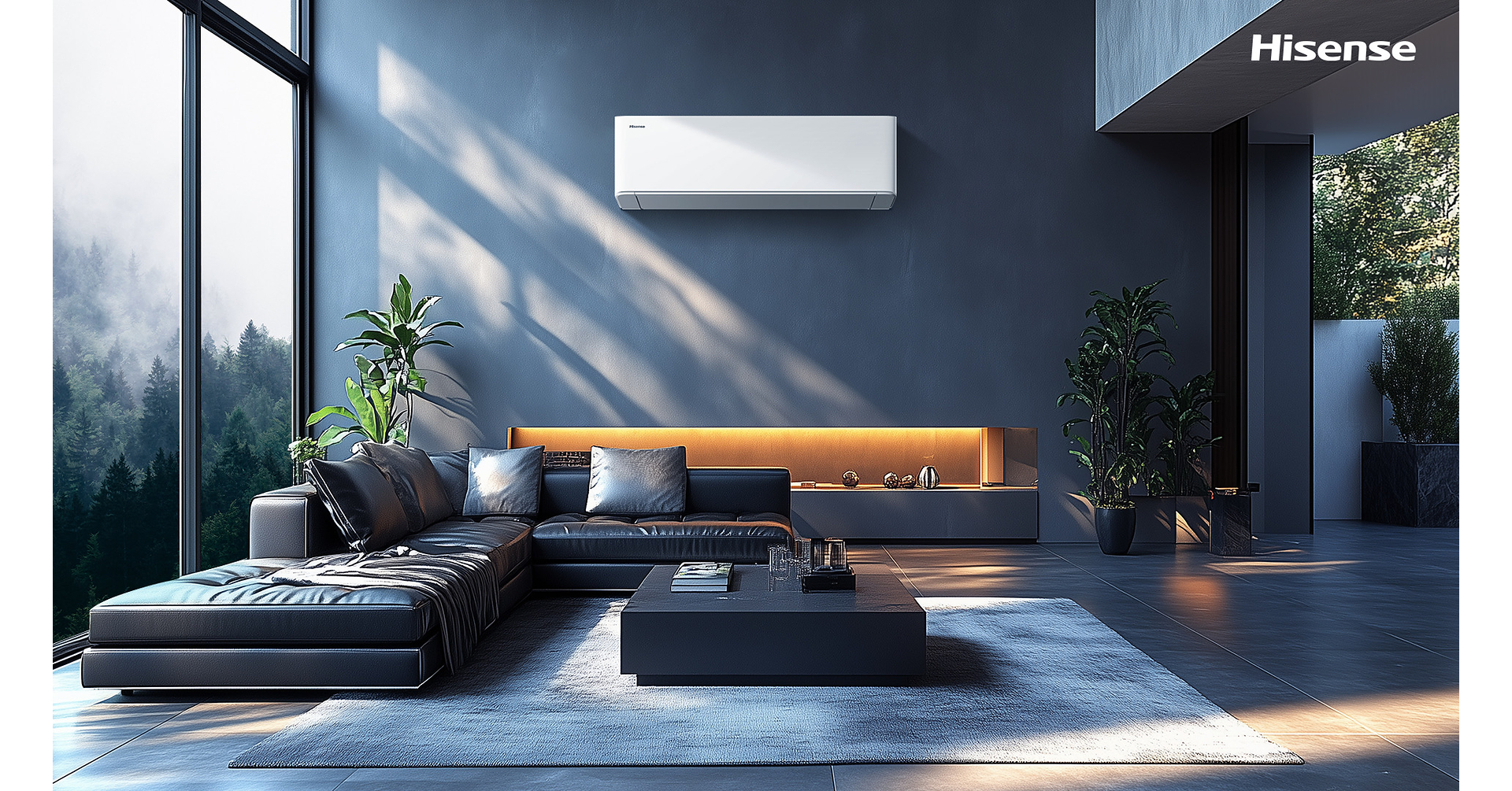
Hisense reporta que en el 1S 2026 los ingresos por ventas de aire acondicionado en Europa Occidental crecieron cerca de +20% interanual, y que en Francia el mercado avanzó más de +100% interanual. El impulso se atribuye a su propuesta de instalación más sencilla (serie Uni con arquitectura Easy Installation Pro y reducción del tiempo de mantenimiento hasta -60%), además de eficiencia energética A+++ y características de confort (p. ej., sensor Smart Eye Pro). En conjunto, la noticia sugiere una mejora comercial en electrodomésticos de climatización impulsada por demanda de eficiencia y facilidad de uso, con impacto moderado para la compañía/sector.
The market mechanism here is not “more AC demand” so much as a shift in who captures the margin pool. If installation friction falls, the bargaining power moves away from local installers and premium brands that rely on certified service networks, toward vendors with strong distribution and lower-cost assembly; that tends to pressure ASPs across the European entry segment even when unit volumes rise. The first-order winner is the channel that can scale quickly into retrofit-heavy markets like France; the second-order loser is any incumbent whose moat is installation complexity rather than product differentiation.
The growth rates look exciting, but the base effect is probably doing a lot of work. France/Western Europe still represent a relatively early-stage cooling market, so a hot summer, a retail push, or inventory replenishment can inflate reported sell-through for a quarter or two without proving durable share gains; the real test is whether repeat demand persists into shoulder season and next year’s replacement cycle. If energy prices drift lower or weather normalizes, the category can re-rate downward very quickly.
Contrarianly, consensus may be underestimating how important efficiency labels and low-noise, apartment-friendly form factors are in Europe, which could structurally expand the addressable market over 6-18 months. But that same dynamic also means this is more of a secular category expansion story than a company-specific earnings catalyst unless there is hard evidence of distributor shelf-share gains. For listed peers, the vulnerable names are lower-end European appliance makers with weak pricing power; the better-positioned names are those with premium HVAC brands and service ecosystems.
AI-powered research, real-time alerts, and portfolio analytics for institutional investors.
Request DemoOverall Sentiment
mildly positive
Sentiment Score
0.25
