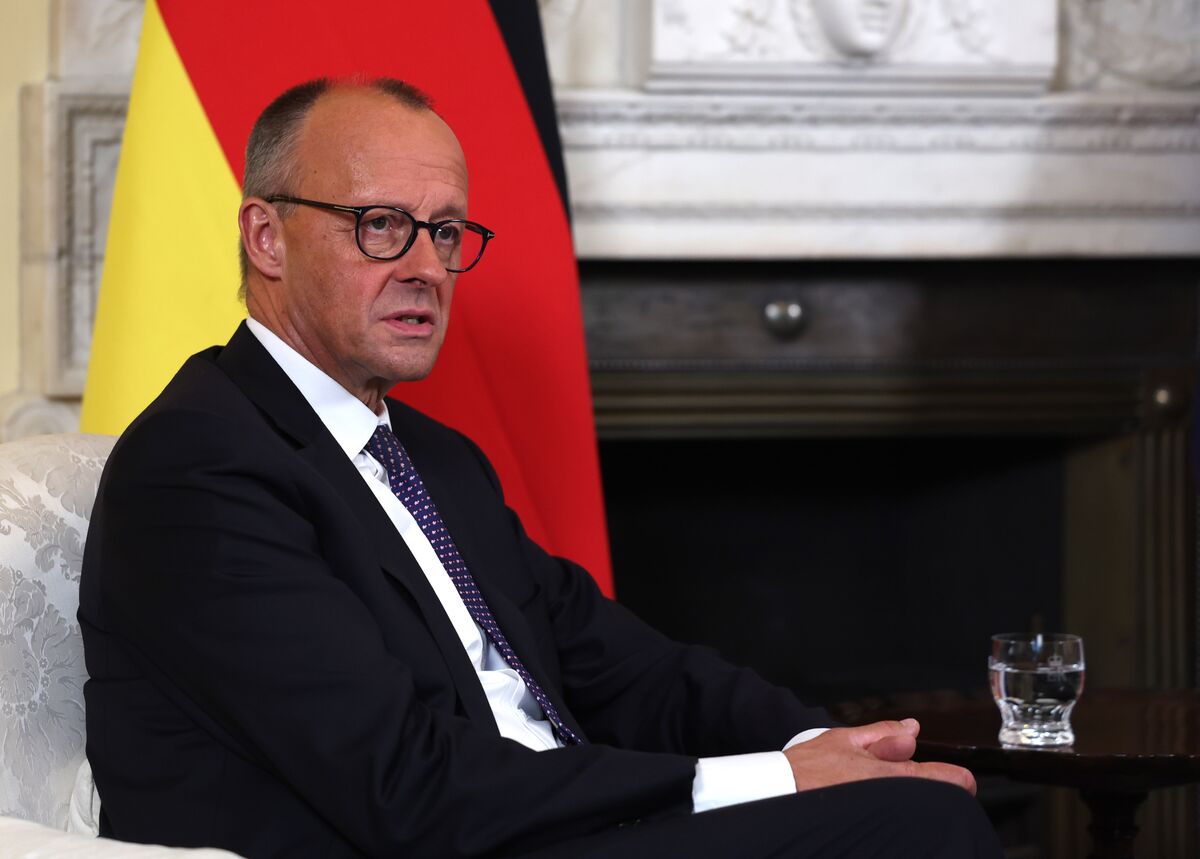
German Chancellor Friedrich Merz has rejected the European Commission's new €2 trillion ($2.3 trillion) budget proposal, asserting that the EU must operate within its existing funds and criticizing the normalization of increased debt. Merz specifically rebuffed any attempts to tax German companies, signaling a challenging two-year budget negotiation ahead for the bloc.
German Chancellor Friedrich Merz's public rejection of the European Commission's proposed €2 trillion budget signals a significant shift towards fiscal austerity, driven by Germany's opposition to increased debt and new corporate taxes. This hawkish stance, described by Merz as a necessary return to fiscal discipline after a period of exceptional spending, introduces considerable uncertainty into the EU's financial planning. The statement explicitly frames the next two years as a period of a "tough fight" over budgetary allocations, indicating prolonged and contentious negotiations among member states. The market impact score of 0.6 and moderately negative sentiment reflect the market's concern that this political friction and potential for reduced fiscal stimulus could act as a drag on European economic growth and strain the region's sovereign debt markets, particularly for nations reliant on EU-level financial support.
AI-powered research, real-time alerts, and portfolio analytics for institutional investors.
Request DemoOverall Sentiment
moderately negative
Sentiment Score
-0.40
