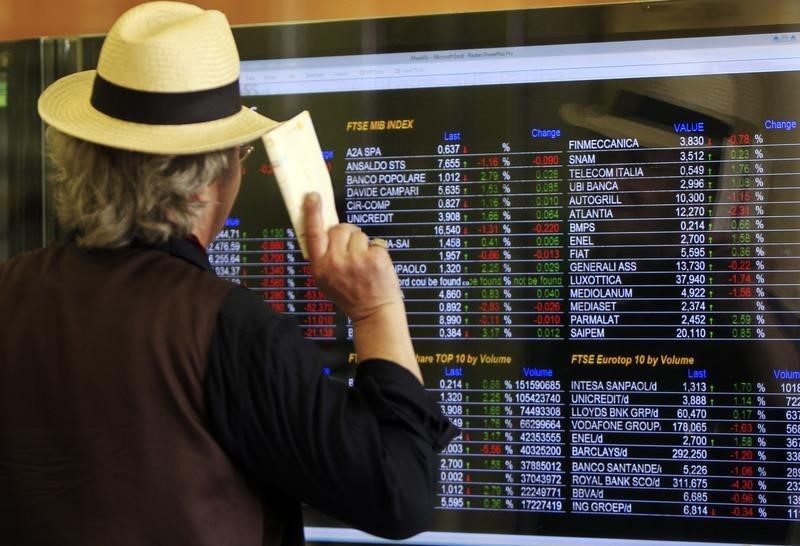
Crude oil fell 5.19% to $91.59 a barrel and Brent dropped 4.95% to $95.25 as markets reacted to optimism around a potential reopening of the Strait of Hormuz. The Italy 40 rose 1.43% to a new all-time high, led by Avio (+7.20%), Nexi (+6.51%) and Amplifon (+3.91%), while Eni (-1.09%) was among the laggards. EUR/USD was unchanged at 1.16 and the U.S. Dollar Index Futures fell 0.25% to 98.93.
The move looks less like a bullish crude regime change than a positioning reset: a one-day air pocket in oil usually forces short covering first and only later tests whether physical balances really tightened. If the Hormuz reopening narrative is credible, the first-order loser is not just upstream energy but any asset priced off persistent scarcity premium; that matters most for European energy names with higher beta to headline crude than to realized product margins. The cleaner read is that the market is pricing lower geopolitical tail risk faster than it is revising medium-term supply fundamentals.
The second-order beneficiary set is broader than simple fuel importers. Lower crude and weaker inflation expectations should help rate-sensitive sectors via lower terminal-rate pressure, while travel/leisure can get a double tailwind from both cheaper jet fuel and improved consumer sentiment. Industrials and financials in Italy can extend the move if lower energy costs reduce input cost pressure and credit risk, but that benefit is likely to show up with a lag through guidance revisions rather than same-day earnings impact.
Consensus may be underestimating how quickly this can reverse if the reopening proves partial, delayed, or temporary. Oil at this level still leaves room for a snapback if tankers, insurance rates, or shipping lanes remain constrained; the market is pricing a binary geopolitical outcome when the more likely path is a sequence of friction points. That makes the next 1-4 weeks a headline-trading window, while the 3-6 month picture depends on whether OPEC+ opportunistically defends prices into the weakness.
The sharp divergence between crude and gold also hints at a residual fear bid rather than a clean risk-on shift, which argues for caution in assuming this is purely pro-growth. If commodities are repricing for lower conflict risk, the follow-through should be strongest in cyclicals with low direct energy intensity and weakest in names whose earnings are simply a function of realized oil. In that framework, the current selloff in integrateds may be too shallow if the narrative holds, but too deep if this is only a temporary geopolitical unwind.
AI-powered research, real-time alerts, and portfolio analytics for institutional investors.
Request DemoOverall Sentiment
neutral
Sentiment Score
0.12
Ticker Sentiment
