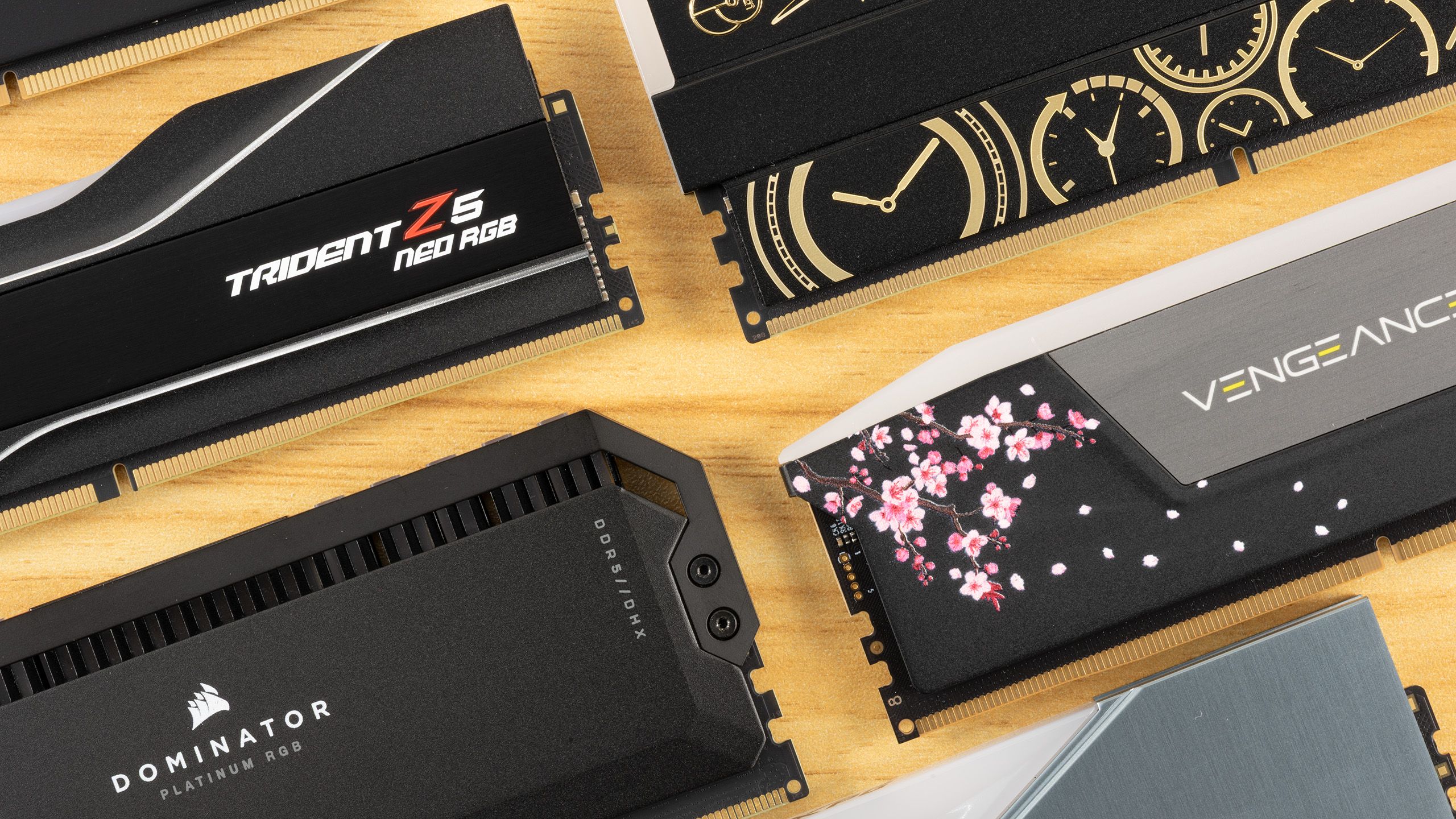
A hobbyist successfully fabricated a small DRAM cell array in a backyard shed cleanroom, measuring about 12pF capacitance per cell, and said the next step is a larger array that could be hooked up to a PC. The article frames this against an AI-driven RAM supply crunch and elevated memory prices, but the reported work is still a proof of concept with no immediate commercial scale. Market impact is limited, though the piece underscores ongoing tightness in memory supply and consumer pricing.
The key equity read-through is not “DIY RAM” as a novelty, but the signal that memory scarcity is becoming culturally visible enough to move consumer behavior before supply normalizes. That matters because once buyers start treating DRAM like a constrained commodity, they pull forward purchases, lengthen replacement cycles for complete systems, and increase willingness to accept higher-end prebuilts where OEMs can source inventory more efficiently than retail channels. The second-order winner is the channel mix, not just the component makers: large OEMs and system integrators can arbitrage spot volatility better than the DIY market.
For public markets, the near-term beneficiary set is broader than the obvious memory names. Server and consumer PC OEMs with stronger procurement leverage can defend share while smaller assemblers and e-tailers get squeezed on working capital and cancelation risk. The more interesting downstream effect is on adjacent materials and process consumables: if memory fabs remain capacity-constrained, every incremental wafer starts to have higher marginal value, which can lift volumes for upstream chemical, gas, and substrate suppliers even before unit shipments improve.
The contrarian setup is that scarcity headlines often peak before earnings do. If this is a true multi-quarter constraint, the rally in memory suppliers may be underpinned by pricing power; if it is a sentiment spike, the market may be overestimating how quickly ASPs can stay elevated once OEMs and cloud buyers finish inventory reallocation. The real catalyst window is 2-3 quarters, when procurement teams either normalize or are forced into redesigns; if capex announcements from major DRAM producers do not accelerate by then, the shortage narrative remains intact.
RYAM is not a direct DRAM beneficiary, but it is worth watching as a high-beta proxy for specialty materials sentiment and any spillover into industrial cellulose/chemicals demand from electronics supply chains. The stock should only work if investors start extrapolating broader materials pricing power; otherwise it will remain a weak thematic expression with little fundamental linkage.
AI-powered research, real-time alerts, and portfolio analytics for institutional investors.
Request TrialOverall Sentiment
neutral
Sentiment Score
0.10
Ticker Sentiment
