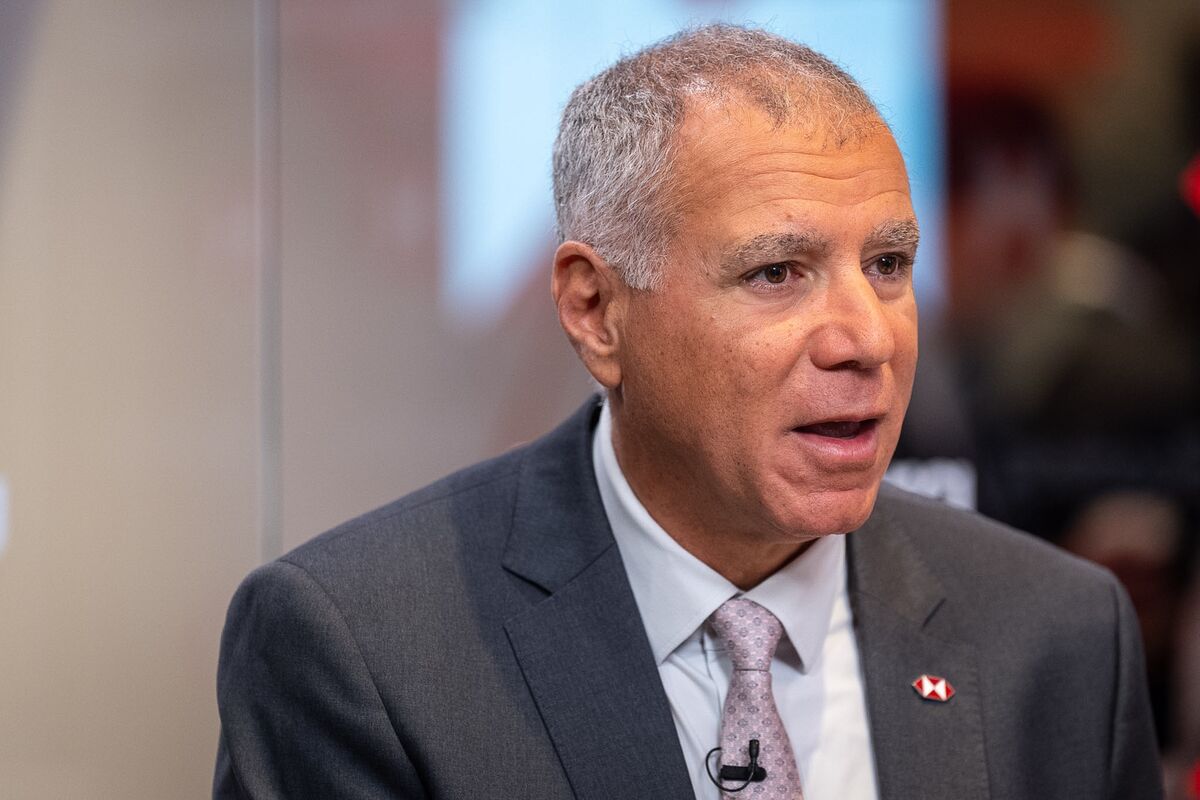
HSBC CEO Georges Elhedery said generative AI will "destroy" certain jobs while creating others, signaling a coming workforce shift at the bank. The message was cautionary rather than operational, with no specific layoffs, cost targets, or financial impact disclosed. The main takeaway is management's push to keep employees engaged as AI adoption accelerates across banking.
This is less an AI headline than a margin-reset signal for large universal banks. The near-term P&L winner is not HSBC itself but the vendor stack: cloud, model, workflow automation, and cyber/controls providers that monetize every seat reduction and process redesign. For banks, the first-order savings come from middle- and back-office labor, but the second-order effect is flatter org charts and fewer local decision layers, which can improve execution speed yet raises operational concentration risk if controls lag.
For HSBC specifically, the message is mildly negative for workforce morale and retention in the next 1-3 quarters, especially in client coverage and support functions where employees can more easily monetize their experience elsewhere. The bigger risk is not headline layoffs; it is productivity slippage during the transition as teams spend time retraining, reconciling workflows, and managing compliance around model usage. That creates a window where cost savings are delayed while risk oversight expenses rise, pressuring the expense ratio before benefits appear.
The contrarian angle is that management rhetoric may actually be defensive: banks that frame AI as headcount replacement often trigger slower adoption than peers that frame it as augmentation. If HSBC can avoid a talent exodus and embed AI in credit, KYC, AML, and service ops, the payoff is meaningful over 12-24 months because these functions sit in the highest-cost, highest-friction parts of the bank. The market is likely underestimating how much of the eventual benefit accrues to the most process-heavy banks, but overestimating how quickly it shows up in reported earnings.
Catalyst-wise, watch for evidence in the next two reporting cycles: headcount trend, operating expense guidance, and any change in cost-to-income targets. The main tail risk is a governance or conduct issue from over-automation, which would invert the narrative quickly and force a pause in rollout. If that happens, the stock could underperform for several months even if the long-term AI thesis remains intact.
AI-powered research, real-time alerts, and portfolio analytics for institutional investors.
Request DemoOverall Sentiment
mildly negative
Sentiment Score
-0.15
Ticker Sentiment
