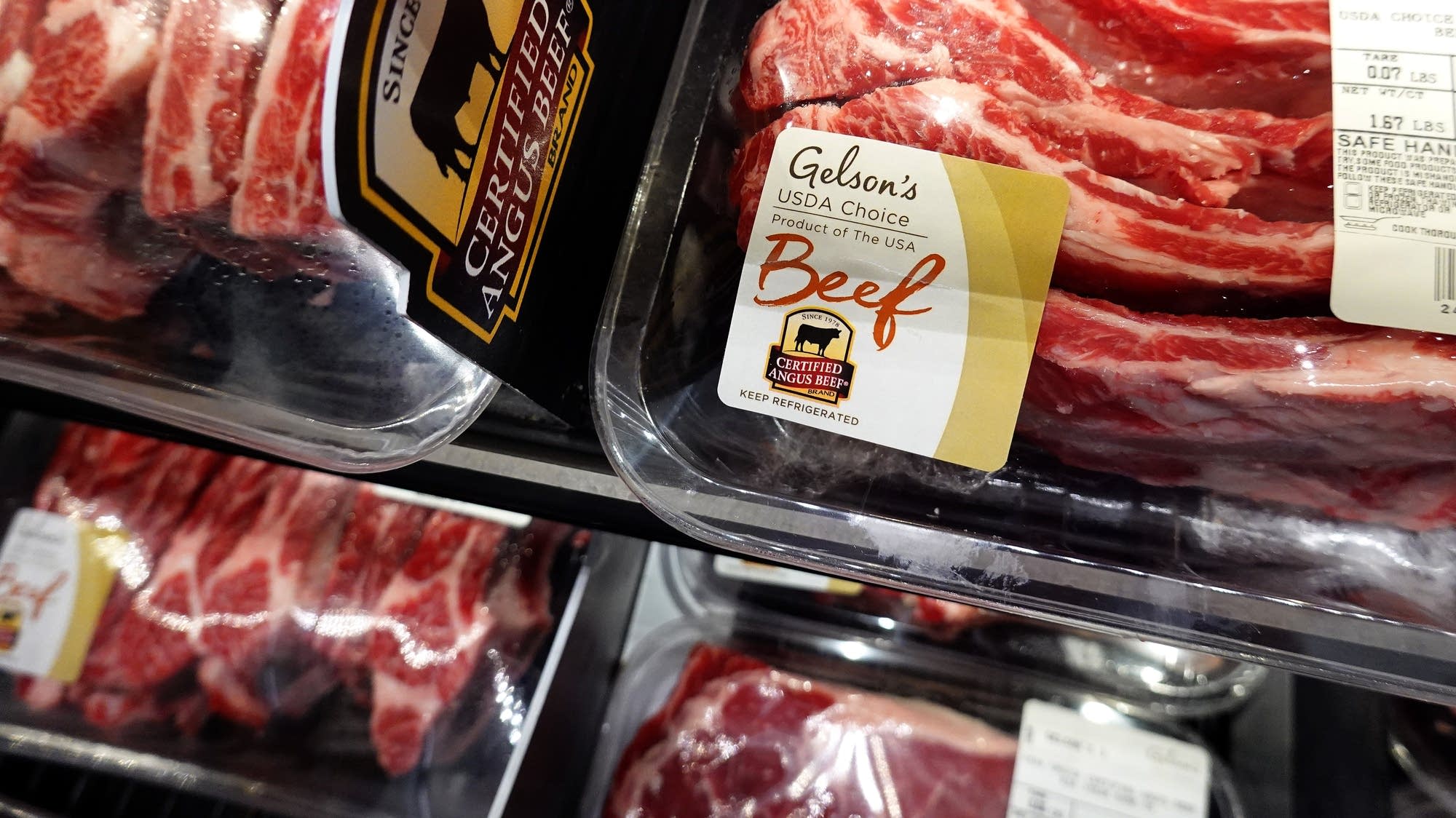
Grocery prices in the latest CPI are up about 2% year over year, with fruit and vegetable prices rising 4% and nonalcoholic beverages up 4.7%. The increases are being driven mainly by weather-related supply disruptions for lettuce and tomatoes and tariffs affecting coffee, while meat and dairy prices are falling as livestock supply catches up with demand. The article is largely explanatory and data-focused, with limited immediate market impact.
The market is likely underestimating how uneven food inflation can be across the shelf, which matters more for margin dispersion than headline CPI. Fresh produce and coffee are the cleanest pass-through channels: growers and importers have limited pricing power, while grocers can only partially offset with mix, shrink, and private label. The second-order winner is anyone with refrigerated logistics, sourcing flexibility, or a larger private-label share; the loser set is highly exposed discretionary grocers and restaurant concepts that rely on fresh inputs without strong menu pricing power. The meat deflation signal is more important for equity positioning than the produce spike because it tends to lag in consumer data but hits restaurant gross margins faster through procurement contracts. If herd rebuilding continues and fad-driven protein demand normalizes, protein input costs could keep easing for another 2-3 quarters, which is a meaningful tailwind for QSR and casual dining margins even if traffic stays soft. Conversely, if consumers keep trading down into meat as an affordable calorie source, the current deflation could stall and pricing pressure would reappear in the next inventory cycle. Coffee is the cleanest tariff-sensitive leg and the most vulnerable to policy reversals, while the weather-driven produce move is more likely transitory but can persist for a full growing cycle if conditions stay erratic. The consensus mistake is treating this as broad food inflation when it is really a rotating basket: one segment is a weather shock, one is policy, and one is supply normalization. That creates dispersion trades rather than a macro inflation bet. Near term, the best setup is to fade beneficiaries of persistently high input costs where pricing power is weak, and own names with input deflation or sourcing optionality. Over 3-6 months, restaurant and packaged food names with meat exposure should see operating leverage if beef/pork stay soft, while coffee-heavy consumer brands remain vulnerable to tariff headlines and margin compression until contracts roll.
AI-powered research, real-time alerts, and portfolio analytics for institutional investors.
Request DemoOverall Sentiment
neutral
Sentiment Score
-0.05
