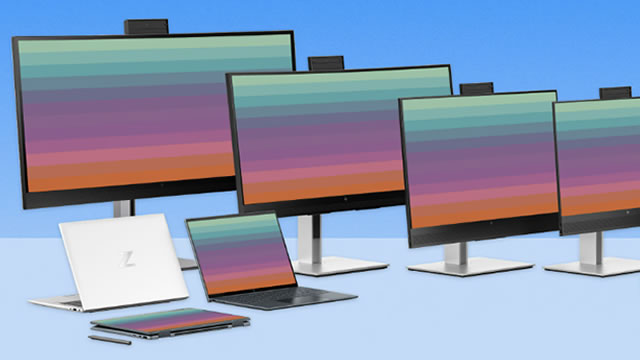
HP reported Q2 revenue up 9% with three consecutive quarters of accelerating growth, alongside Personal Systems strength. Adjusted EPS of $0.86 beat expectations, and margins expanded, while the Nvidia RTX Spark chip launch may catalyze an AI PC upgrade cycle despite Apple’s competitive pressure. The stock’s 5.47% dividend yield supports the story, but higher debt levels are a key risk to monitor.
HPQ is the cleaner beneficiary here, but the market impact is less about this quarter’s print and more about whether investors are willing to re-rate a low-multiple hardware name into a durable refresh-cycle story. If AI-capable PCs translate into higher ASPs and a longer upgrade window, HPQ can get both margin leverage and a valuation multiple uplift; that is more powerful than the near-term EPS beat itself.
The second-order winner is NVDA, but only marginally: incremental silicon attach per device matters, yet the larger economic swing is to OEM mix and channel inventory, not to Nvidia’s consolidated growth. Apple’s competitive threat is likely overstated in the near term; the real battleground is enterprise Windows refresh, where Mac substitution is limited and procurement cycles are budget-driven.
The risk is timing. AI PC demand is a 6-18 month thesis, not a next-quarter thesis, and debt makes HPQ less forgiving if the refresh fails to show up or if rates stay higher for longer. Falsifiers are straightforward: if the next 1-2 quarters show only low-single-digit unit growth, margin gives back, or management leans on capital returns despite weakening cash conversion, the market should fade the upgrade-cycle narrative.
AI-powered research, real-time alerts, and portfolio analytics for institutional investors.
Overall Sentiment
mildly positive
Sentiment Score
0.35
Ticker Sentiment
