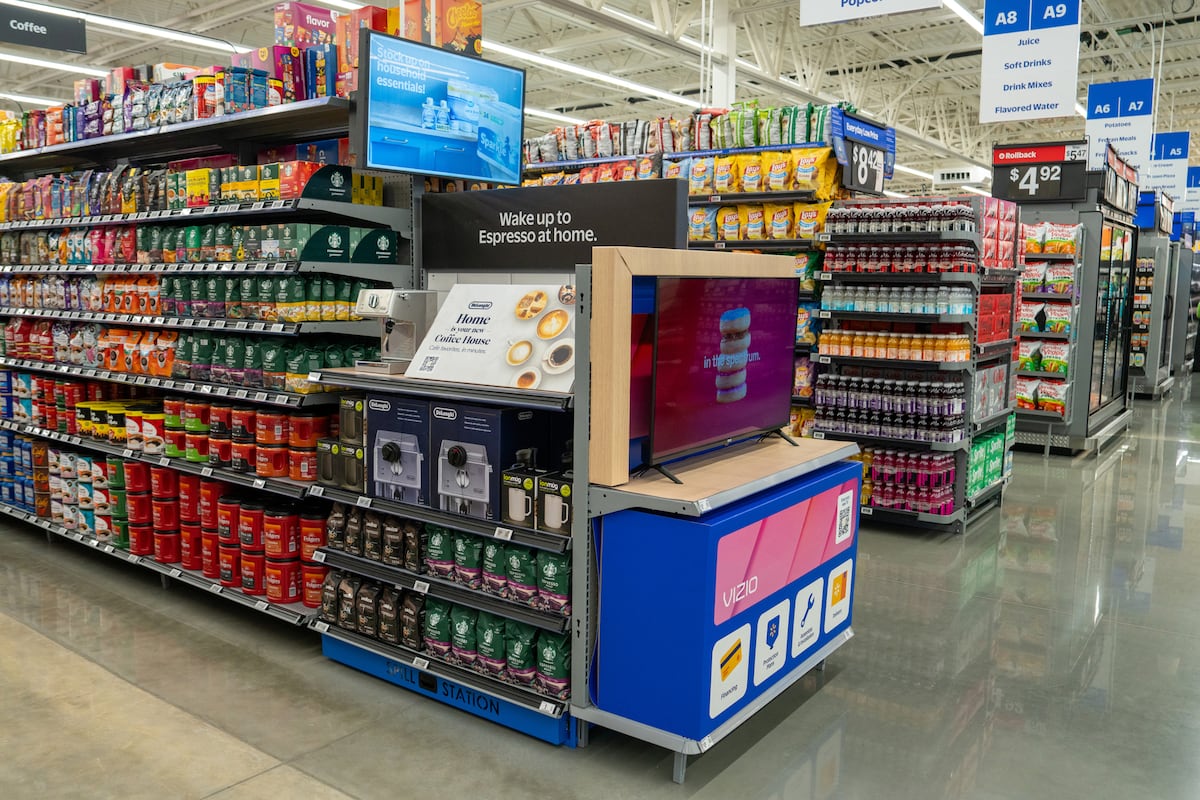
Walmart will remodel 8 Tennessee stores in 2026, adding upgraded layouts, technology, services, and features aimed at faster shopping and delivery in as little as an hour. The company also plans to open a new Neighborhood Market in Columbia next year and said it has invested more than $807.7 million to upgrade Tennessee stores over the past five years. The announcement signals continued reinvestment in Walmart’s retail footprint, but it is unlikely to materially move the stock.
This is less a one-off capex headline than a signal that Walmart is still leaning into share gains via convenience density. The second-order read-through is that it keeps pressure on regional grocers, dollar stores, and local pharmacy chains that rely on proximity and quick-fill traffic; once the remodel layer improves fulfillment speed and in-store conversion, the moat expands from price into time-sensitive utility.
The larger implication is for Walmart’s mix shift: faster pickup/delivery and upgraded pharmacy/vision attach should support higher basket frequency and better margin capture without needing broad traffic growth. If the execution is solid, remodels like this can lift comparable sales over a 12–24 month horizon while also reducing churn in suburban markets where consumers are increasingly willing to consolidate spend at one trip destination.
The market may be underestimating the defensive value of this investment cycle. In a softer consumer backdrop, convenience-led trade-down behavior tends to benefit the largest operator with the best logistics, so WMT can take share even if unit demand is flat. The main risk is not demand; it’s execution dilution and capex creep if remodel ROI disappoints or if higher-service formats pressure operating expense faster than traffic converts.
AI-powered research, real-time alerts, and portfolio analytics for institutional investors.
Request DemoOverall Sentiment
mildly positive
Sentiment Score
0.20
Ticker Sentiment
