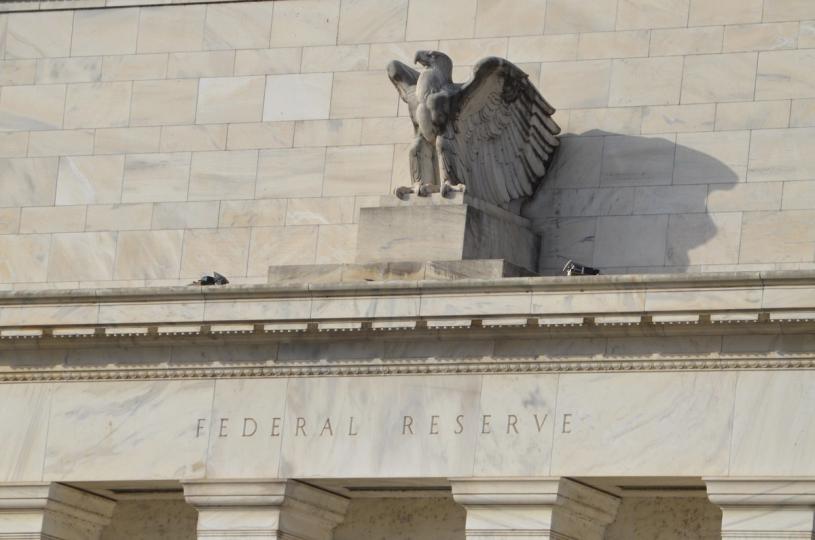
The Federal Reserve updated its proposal for a "skinny" master account, a potential step toward giving crypto and fintech firms access to Fed payment rails without full bank charters. Separately, President Trump signed executive orders pushing deeper crypto integration into payment networks and directing tighter Bank Secrecy Act enforcement, which could sweep in crypto and DeFi platforms through Treasury guidance. The Senate’s delay on the Clarity Act and other floor priorities may slow market-structure legislation, adding policy uncertainty for the sector.
The market is underestimating how asymmetric “permissioning” is for crypto. A skinny master account framework plus a pro-integration executive order does not immediately equal broad bank access, but it lowers the institutional stigma cost for banks, processors, and stablecoin issuers to build around crypto rails. The biggest second-order beneficiary is not spot BTC itself; it is the set of infrastructure names and balance-sheet intermediaries that can monetize payments flow, custody, and treasury services once counterparties believe policy risk is drifting from prohibition toward supervised participation.
The near-term winner set is likely to be stablecoin and payments-adjacent ecosystems, while pure exchange venues may see a more mixed outcome. If banks gain comfort offering limited payment access, the marginal user experience improvement should shift volume away from offshore and lightly regulated venues toward compliant onshore channels, but that also compresses spreads and fee capture for centralized exchanges over a 6-18 month horizon. Meanwhile, the Bank Secrecy Act emphasis raises the compliance bar for smaller fintechs and DeFi front ends; that creates an operational moat for large incumbents with existing KYC/AML stacks and hurts “move fast” competitors that depend on thin controls.
The main risk is that this is rhetoric ahead of fragmented implementation. The Fed can only move within statutory constraints, and Treasury guidance can just as easily become a de-risking tool for banks worried about enforcement as a green light for crypto rails. Over the next 1-3 months, the catalyst path is legislative and interpretive rather than product-driven: if guidance is narrow or punitive, the market will quickly fade the bullish read-through; if Congress clarifies account eligibility, the rerating can extend for quarters.
The contrarian view is that this may actually be more bullish for incumbents than for crypto natives. Banks and regulated payments processors can absorb compliance costs and capture the economics of stablecoin settlement and tokenized cash management, while many crypto firms may be forced into partner-dependent models with lower take rates. In other words, the policy shift may expand the addressable market but simultaneously cap the upside for the most speculative names by routing value back to the banking layer.
AI-powered research, real-time alerts, and portfolio analytics for institutional investors.
Request DemoOverall Sentiment
neutral
Sentiment Score
0.12
