

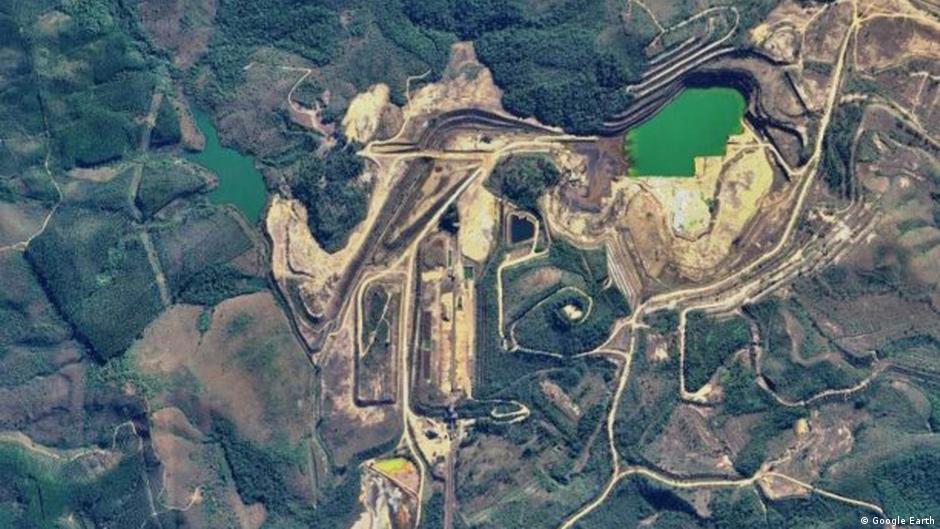
Brazil is emerging as a major rare earth supplier, with 21 million tons of reserves, 2,758 mining projects under review, and a surge in applications from just over 250 between 1975 and 2020 to 1,662 in 2023-2024. The article highlights Brazil's potential to challenge China in mining, though China still controls over 90% of refining capacity and about 95% of permanent magnets. A $2.8 billion acquisition of Brazil's only active rare earth mine underscores growing strategic interest tied to AI, EVs and wind turbines.
The market is likely underappreciating that Brazil’s role is not just about adding mine supply; it is about creating a credible non-China optionality for the most strategically constrained segment of the chain: magnet-grade heavy rare earths. That matters because downstream bottlenecks, not ore availability, have been the binding constraint, so any incremental non-China feedstock can re-rate processing, separation, and magnet capex across Asia, Europe, and the US. The second-order winner is not the miners alone, but any company that can monetize “China-exposure reduction” through tolling, refining, or long-term offtake financing.
The key asymmetry is time. Mining can rerate on headlines and permitting, but refining and magnetization are multi-year execution problems, so the trade is likely front-loaded in equities of developers and equipment suppliers while the fundamental supply impact is delayed into 2027-2030. That creates a window where valuations can run well ahead of cash flow, especially for higher-beta juniors with scarce-project narratives; the risk is that financing dilution and capex inflation eventually reset expectations once the market realizes extraction is the easy part.
For the broader complex, this is mildly bearish for the most China-dependent magnet/rare-earth intermediates and modestly bullish for industrial automation and EV names only if non-China supply actually lowers input volatility. The contrarian point is that Brazil’s advantage may be over-marketed: ESG, permitting, infrastructure, and local processing constraints could keep the value chain offshore, leaving China still dominant in refining even if mining share diversifies. So the real hedge is not “long rare earths” broadly, but long the assets closest to scarce qualified supply and short the euphoric, pre-revenue names most exposed to dilution and execution slippage.
AI-powered research, real-time alerts, and portfolio analytics for institutional investors.
Request TrialOverall Sentiment
mildly positive
Sentiment Score
0.20
Ticker Sentiment
