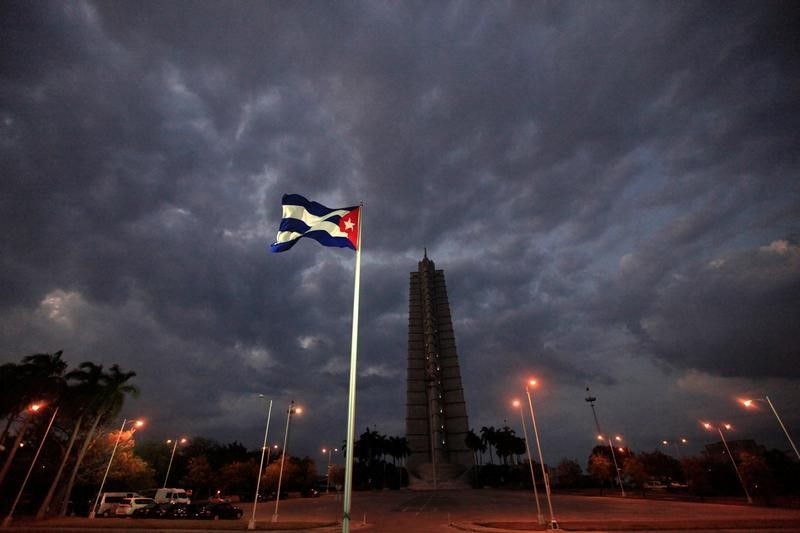
Cuba has reportedly acquired more than 300 military drones and is discussing possible deployment against the U.S. base at Guantanamo Bay, U.S. military vessels, and potentially Key West, Florida. The report, citing classified intelligence, suggests heightened geopolitical risk involving drone warfare and Iranian military advisers in Havana. The news is negative for regional security sentiment and could raise defense and sanctions-related concerns.
This is less a Cuba-specific equity story than a marginal repricing of low-probability regional escalation risk. The immediate market impact is on defense procurement optics: anytime drones, maritime surveillance, and asymmetric strike capability enter the Caribbean narrative, it supports a higher floor for counter-UAS, base hardening, electronic warfare, and ISR spending across the U.S. defense stack. The second-order effect is that prime contractors with coastal defense and short-cycle software/hardware upgrades should see better budget support than platform-centric names tied to long-cycle programs.
The bigger underappreciated channel is sanctions and shipping insurance. Even if nothing kinetically happens, a higher perceived threat radius around Florida and Gulf routes can widen risk premia for nearshore maritime activity, especially for operators with exposure to military logistics, port services, and Latin American trade. That risk is most relevant over days to weeks for headline-driven volatility, but if the rhetoric hardens into sustained sanctions or a U.S. force posture change, the trade can persist for months via procurement and logistics contracts.
The market may be overreacting to the tactical threat while underpricing the policy asymmetry. Cuba has limited conventional strike reach, so the real catalyst is not damage potential but the possibility of U.S. response options: interdiction, sanctions tightening, drone-defense spending, and broader anti-Iran signaling. If negotiations resume, the risk premium can unwind quickly; if they fail and the intelligence narrative broadens to Iranian support, the issue migrates from a bilateral headline to a Western Hemisphere security theme with wider defense beneficiaries.
AI-powered research, real-time alerts, and portfolio analytics for institutional investors.
Overall Sentiment
moderately negative
Sentiment Score
-0.45
Ticker Sentiment
