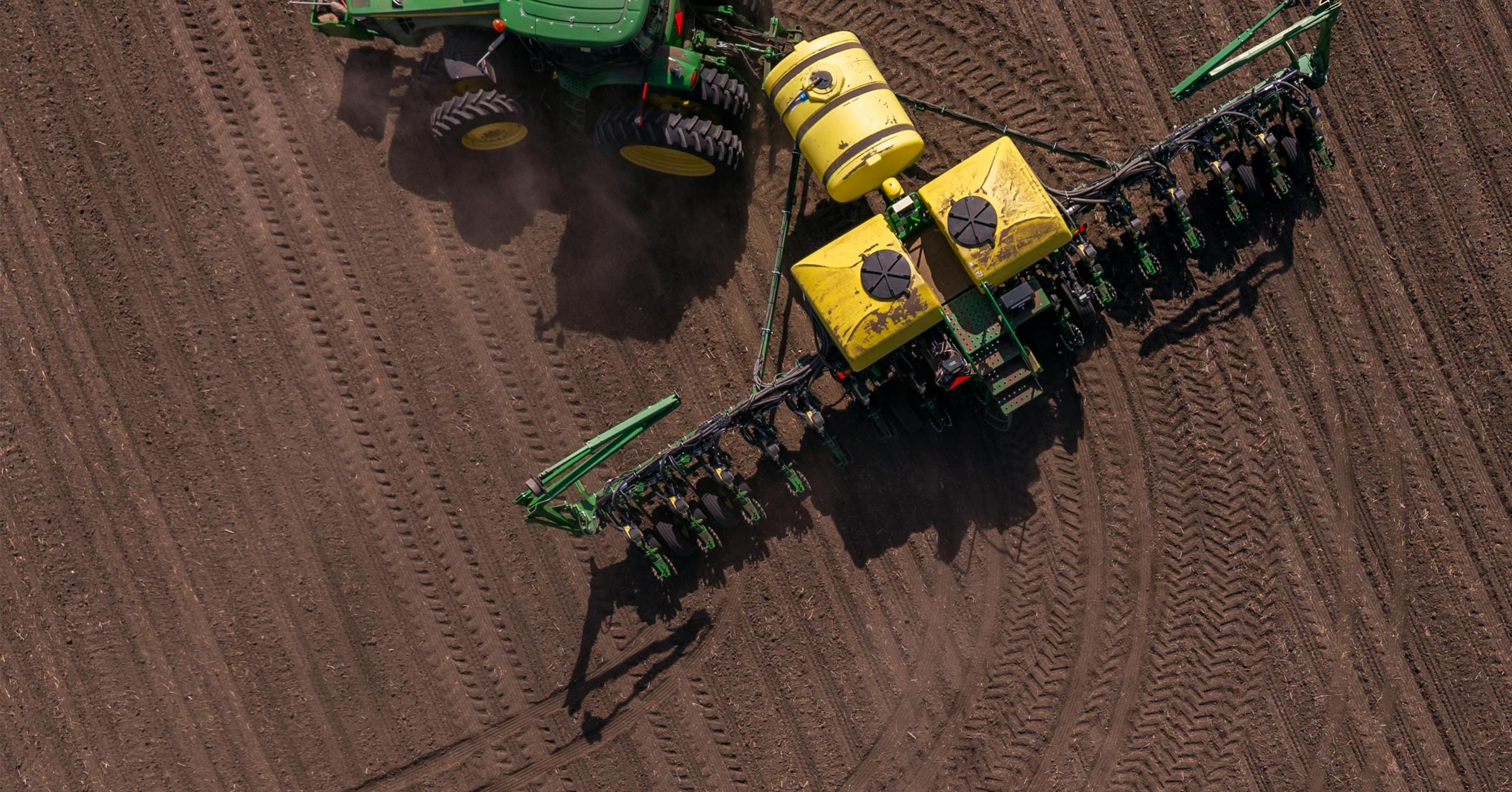
Minnesota farmers are facing another unprofitable year in 2025 as crop prices stay weak, input costs remain high, and the U.S.-Iran war threatens to lift diesel and fertilizer prices. Government payments have only brought corn and soybean operations roughly to breakeven, while trade-war pressures are limiting international buyers and expected planted acreage may decline. The article points to persistent margin stress across the farm sector rather than a single acute shock.
The first-order hit is not just to farm margins but to the entire rural input complex: diesel, fertilizer, ag equipment replacement, and ag credit quality all get more fragile when growers are forced to plant into a negative expected-return environment. That creates a second-order slowdown in ordering behavior for suppliers and dealers, which can show up as weaker inventory turns, softer aftermarket parts demand, and rising floorplan/working-capital stress over the next 1-2 quarters. The more important market signal is acreage discipline: if producers cut planted acres or under-apply inputs, the downside to fertilizer and seed volumes can persist even if commodity prices stabilize.
The geopolitical link matters because it makes this a cost-push squeeze rather than a pure crop-price story. Diesel is the near-term pressure point: higher fuel costs compress margins immediately, but the more durable damage comes from fertilizer economics because application decisions are made before planting and are much harder to reverse once acreage is set. That sets up asymmetric risk for firms leveraged to North American ag demand, while benefiting logistics and transport names with pricing power if they can pass through fuel surcharges faster than farmers can absorb them.
The contrarian view is that the market may be overestimating how long elevated input costs can stay punitive if crop prices remain weak. In a prolonged margin squeeze, farmers typically defers capex, trim variable inputs, and lean harder on government support and operating lines, which eventually forces demand destruction in fertilizer and equipment rather than a linear decline. If peace negotiations or a supply response cool energy markets over the next 1-3 months, the biggest immediate rebound would be in ag input sentiment, not crop prices themselves.
For portfolios, the cleaner expression is relative value: short ag input intensity and long beneficiaries of higher rural transport costs or lower feedstock costs. The key is that this is a slow-burn margin story, not an overnight macro shock, so the best trades should emphasize 3-6 month horizons and avoid chasing spot moves in crops that may already reflect weak fundamentals.
AI-powered research, real-time alerts, and portfolio analytics for institutional investors.
Request DemoOverall Sentiment
moderately negative
Sentiment Score
-0.45
