
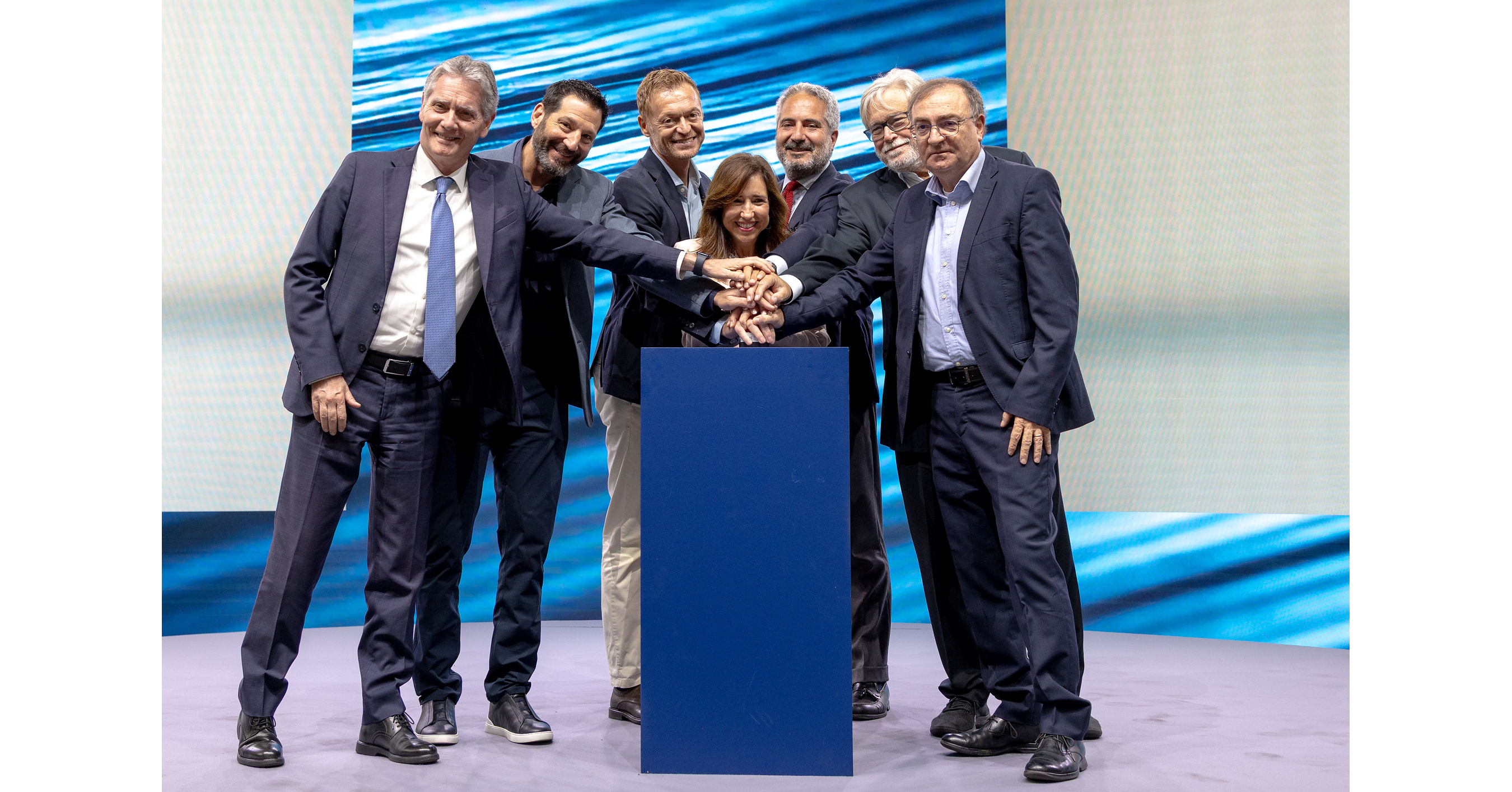
Carnival Cruise Line presentó el Carnival Destiny, un megabarco con más de 4.5 acres de vidrio (incluidas paredes de vidrio de varios pisos) y capacidad de vistas panorámicas desde más ubicaciones a bordo. El barco incorporará más de 70% de espacios/atracciones con conceptos nuevos para Carnival, con una nueva cubierta tipo “lanai” y un relanzamiento de opciones gastronómicas, bares y entretenimiento. La entrega se prevé para el verano de 2029, con otros dos barcos de la “Ace Class” programados para 2031 y 2033.
The investable takeaway is not the ship itself but the signal that CCL is doubling down on asset-heavy differentiation while its balance sheet is still the real bottleneck. A long-dated newbuild program can support premium mix and onboard spend, but the equity usually cares more about deleveraging, ticket pricing, and fuel/crew cost absorption over the next 4-6 quarters than about capacity arriving in 2029-2033.
Competitive impact is mixed. If the private-destination and high-visibility design strategy lifts satisfaction and yield, it modestly narrows the experiential moat versus RCL and NCLH, which have used destination assets to defend pricing. The second-order winner may actually be the shipyard/supply chain: Fincantieri gets backlog visibility, while marine suppliers and specialty equipment vendors benefit from a multi-year order book; the loser is any operator forced to match this capex cadence while still repairing leverage.
The key risk is that this becomes a story stock catalyst without near-term earnings support. If macro softens or fuel spikes, the market will quickly re-rate long-duration growth spending as dilution of free cash flow rather than strategic investment. The thesis would be falsified if CCL fails to improve net leverage and EPS guidance over the next 2-3 quarters; conversely, proof of sustained pricing power and booking strength would turn these ships into a genuine margin tailwind.
Contrarian view: the market may be underestimating how much of the value is already in the destination strategy, while overestimating the immediacy of incremental demand. For the next 1-3 months, this is more sentiment-positive than fundamental; the structural impact is 6-18 months out only if CCL can show that new capacity drives higher onboard monetization per passenger rather than just more depreciation.
AI-powered research, real-time alerts, and portfolio analytics for institutional investors.
Request TrialOverall Sentiment
mildly positive
Sentiment Score
0.20
Ticker Sentiment
