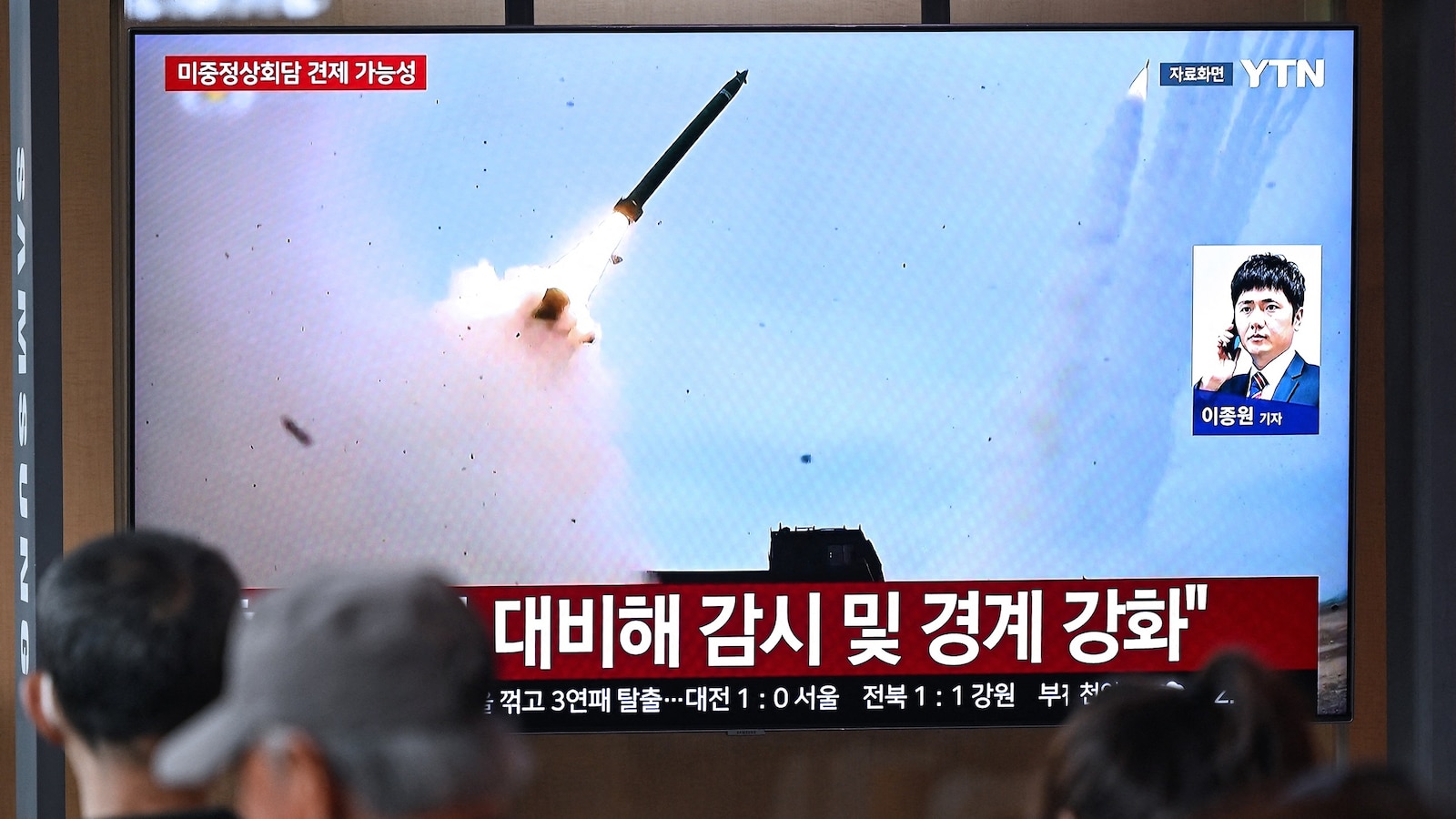
North Korea test-launched multiple ballistic missiles near Sinpo at about 6:10 a.m. local time, with South Korea, the U.S. and Japan confirming the launches toward the sea between the Korean Peninsula and Japan. Seoul called the action a clear violation of U.N. resolutions and said it is maintaining an overwhelming readiness to respond. The event raises regional security tensions and could keep defense and geopolitical risk premiums elevated.
This is less about an immediate market shock than about a slow-burn premium to regional risk that is already embedded but can reprice quickly if launches become more frequent or are paired with a more material nuclear signal. The first-order beneficiary is defense production capacity in the U.S., Japan, and Korea, but the more interesting trade is in the suppliers with bottlenecks: sensors, interceptors, command-and-control, and shipborne missile-defense systems tend to see longer-duration order visibility than headline prime contractors. In contrast, Korea-sensitive cyclicals and local consumer exposures are vulnerable to any escalation that raises FX volatility, tourist flows, and capex deferrals.
The second-order effect is on shipping, insurance, and semiconductor supply-chain perception rather than physical flow disruption. Even without direct damage, repeated provocations tend to lift war-risk premia on East Asia routes and can widen the cost of capital for Korean and Japanese exporters, especially those reliant on just-in-time logistics and cross-border capital flows. That matters most over weeks to months: the market usually underprices persistence, then quickly re-rates when a pattern of tests forces allied military spending or readiness posture changes.
The contrarian read is that the immediate impact may be overestimated because the event lacks evidence of escalation beyond signaling, and the U.S./Japan response already suggests containment. But the underappreciated risk is policy sequencing: a few more tests could accelerate procurement decisions in Japan and South Korea that were already budgeted, pulling forward spending rather than increasing it. That creates a cleaner multi-quarter revenue tailwind for defense names than the headlines imply, while keeping a cap on broad equity beta in the region.
AI-powered research, real-time alerts, and portfolio analytics for institutional investors.
Request DemoOverall Sentiment
moderately negative
Sentiment Score
-0.45
