
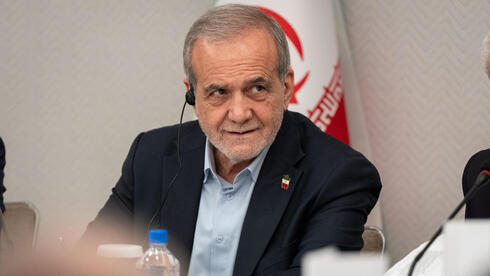
Iranian state media and Iran International offered conflicting reports on whether President Masoud Pezeshkian has resigned, with the opposition channel claiming he sent a formal letter to Supreme Leader Mojtaba Khamenei while officials quickly denied it. The report points to a widening internal rift, eroding presidential authority, and rising tensions between civilian leadership and Revolutionary Guards amid war-related economic strain. The dispute lands as U.S.-Iran talks continue and Donald Trump signals he is prepared to resume military action if negotiations fail.
The market implication is less about the literal resignation claim and more about regime fragility premium widening. When a system has to issue an aggressive denial this quickly, it usually means the rumor is touching a real fault line: decision authority drifting away from civilian institutions toward security actors. That kind of internal imbalance tends to increase policy volatility, raise the odds of miscalculation in external negotiations, and shorten the half-life of any diplomatic upside.
The second-order effect is on tail risk, not baseline economics. If the civilian layer is becoming more symbolic, then any ceasefire or sanctions-relief narrative becomes more binary: either the hardline security bloc can enforce compliance, or talks break down abruptly and force a renewed risk-off move in EM proxies. For CIA, the relevant exposure is to Gulf security and intelligence-budget sensitivity rather than Iranian fundamentals per se; the stock benefits if tensions sustain elevated demand for collection and counterterrorism spending, but can gap down if headlines fade and the market reprices the region as contained.
A more important contrarian point is that denial itself can be bullish for near-term volatility. Official overreaction often signals concern that external actors may be preparing to trade the rumor as if it were real, which can pressure credit, FX, and local asset confidence even without confirmation. Over 1-4 weeks, the bigger trade is likely in volatility around Iran-linked assets and risk assets in the Gulf, while over 3-6 months the key catalyst is whether negotiations produce a sanctions pathway or fail and invite a harder military response.
AI-powered research, real-time alerts, and portfolio analytics for institutional investors.
Request TrialOverall Sentiment
moderately negative
Sentiment Score
-0.35
Ticker Sentiment
