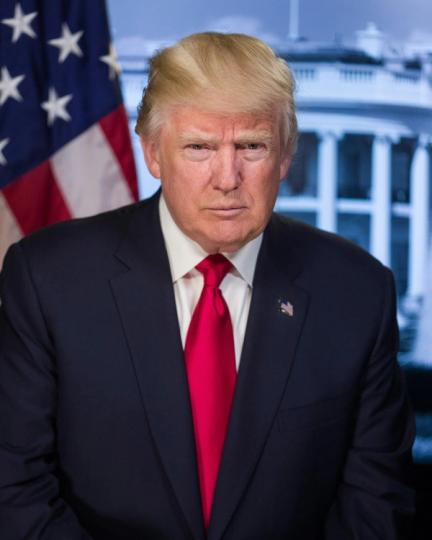
Bitcoin rebounded to about $76,700 after falling to nearly $74,000 earlier Saturday, following President Trump’s announcement of a largely negotiated peace agreement involving Iran and other Middle Eastern countries. Trump said the Strait of Hormuz will be reopened as part of the deal, easing geopolitical risk and supporting a risk-on move in crypto. The article points to a sharp intraday reversal in bitcoin tied directly to the geopolitical headline.
The immediate market read-through is not “peace is good for crypto” in a generic sense; it is a sharp reduction in the left-tail probability of an energy shock that would have forced a tighter global financial condition set. Bitcoin has been trading like a leveraged proxy for liquidity and risk appetite, so the relief rally is less about geopolitics per se and more about the unwind of a macro hedge that had been partially priced in during the weekend spike in war-premium assets.
Second-order, a reopened Strait of Hormuz matters because it pulls forward disinflation expectations through energy, which supports duration assets and makes the Fed’s job easier at the margin. That is structurally supportive for BTC over the next 1-4 weeks if the move is confirmed by weaker crude and falling implied volatility; conversely, if oil retraces only modestly and shipping/insurance premiums stay elevated, the crypto bid can fade quickly as the market realizes the “peace” headline does not fully eliminate supply risk.
The more interesting setup is that BTC may now be transitioning from a geopolitics beta trade back into a cleaner liquidity and technical-flows trade. That favors miners and high-beta crypto proxies more than spot BTC if the move persists, because they typically amplify directional flows once positioning turns. The risk is a classic headline trap: a peace framework that is “largely negotiated” but not operationally de-risked can generate a one- to three-day squeeze, then reverse if implementation details slip or if another regional incident reintroduces oil premium.
Consensus is likely underweight how much this helps non-crypto risk assets indirectly. If the market concludes the oil spike is contained, real yields can drift lower and speculative growth baskets regain bid, which would reinforce BTC rather than isolate it. But if this is only a temporary de-escalation, the right trade is not chasing spot here; it is owning convexity against a renewed shock because the market’s first reaction is likely to overdiscount permanence.
AI-powered research, real-time alerts, and portfolio analytics for institutional investors.
Request DemoOverall Sentiment
mildly positive
Sentiment Score
0.35
