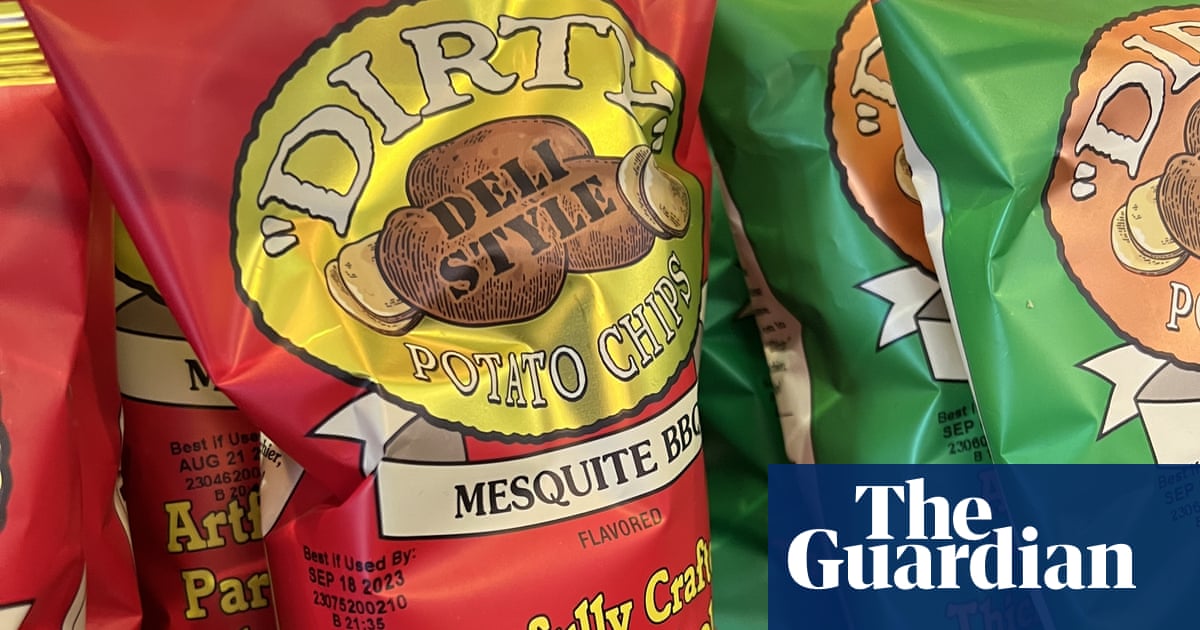
Utz has issued a nationwide voluntary recall of 9 chip varieties across Zapp’s and Dirty brands due to possible salmonella contamination linked to seasoning containing dry milk powder. The company says no other Utz products are included, but the recall adds execution and reputational risk amid a broader milk-powder contamination issue affecting other food makers. The immediate impact is likely limited to the affected snack SKUs, though the event is negative for consumer trust and near-term sales.
This is more of a margin-quality event than a top-line event for UTZ: the direct revenue loss from the affected SKUs should be small, but the more important damage is to retailer confidence in private-label-style snack execution and to the company’s ability to defend shelf space on premium flavored chips. The market typically discounts recalls as one-off remediation costs, but repeated contamination headlines in a low-loyalty category can trigger incremental delisting pressure, slower replenishment, and higher trade spend for several quarters.
Second-order, the most exposed channel is convenience and impulse where brand trust matters most and substitution is easiest. Competitors with stronger national scale and cleaner supply narratives can capture temporary share, especially if retailers use the incident to broaden facings for alternative salty-snack vendors during reset cycles. That makes this less about consumers abandoning chips and more about which supplier gets the incremental display endcaps over the next 1-2 planograms.
JBSS is interesting because the same ingredient issue creates a diversified overhang across snack and nut adjacencies, but the stock reaction may already be discounting a “contamination cluster” across the broader processed-snack supply chain. The contrarian view is that the earnings impact could be contained if the company proves the recall is operationally narrow and secures rapid QA sign-off; in that case, the selloff should fade within days, not months. The real tail risk is if additional third-party ingredients are implicated, which would convert this from a single-incident recall into a supply-chain diligence problem and extend the derating window.
For the next 1-3 weeks, the setup is favorable for a tactical short or hedge in UTZ into any relief bounce, while waiting for clarity on retailer reaction and the scope of incremental legal/recall costs. Longer term, if management can ring-fence the issue and communicate tighter sourcing controls, the stock likely recovers, but the path is noisy because food recalls tend to weaken multiple quarters of sentiment even when the P&L hit is modest.
AI-powered research, real-time alerts, and portfolio analytics for institutional investors.
Request DemoOverall Sentiment
moderately negative
Sentiment Score
-0.45
Ticker Sentiment
