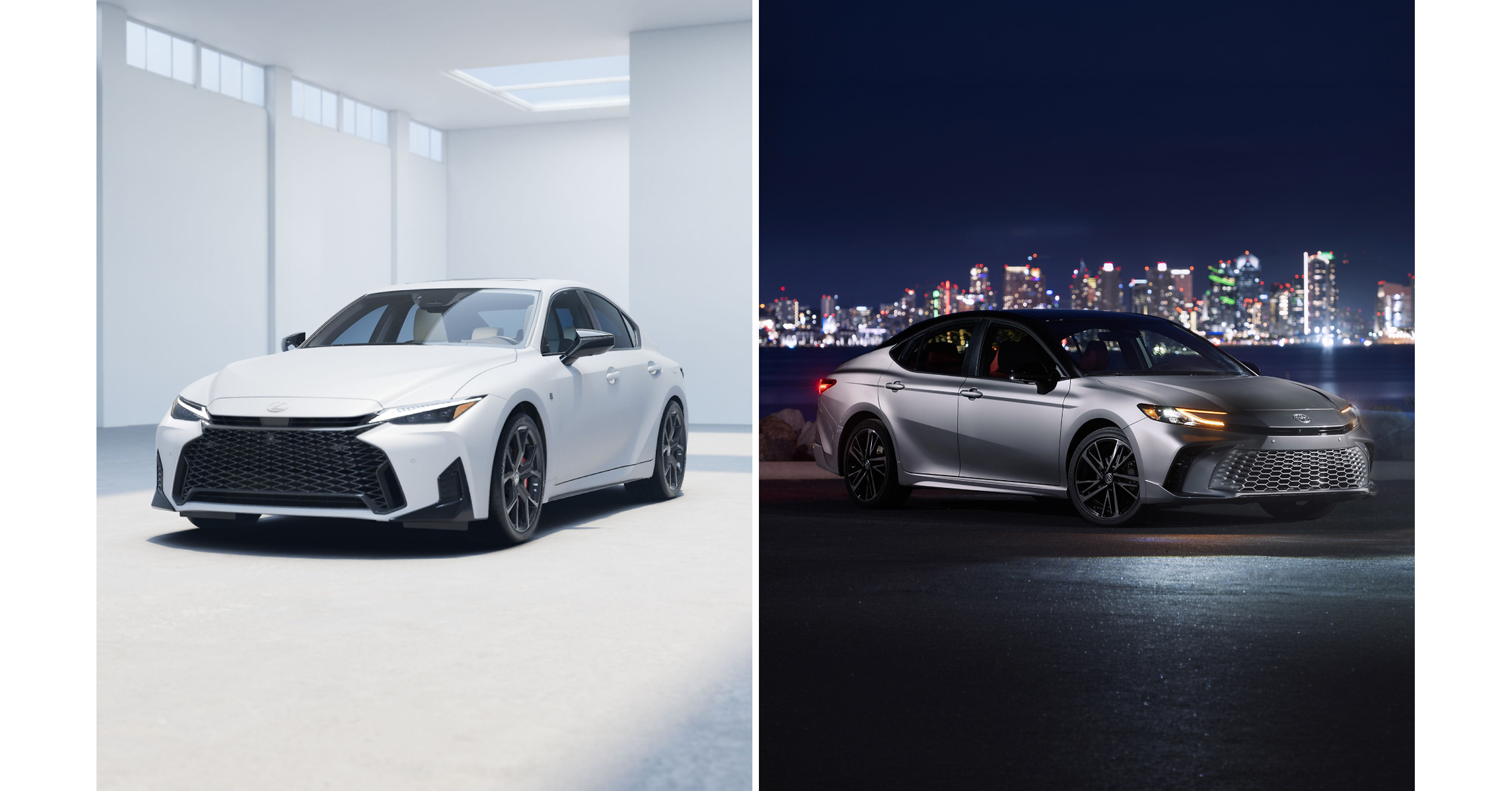
Toyota Motor North America reportó que las ventas de junio 2026 en EE. UU. subieron 10.1% interanual a 212,793 vehículos, mientras que la tasa de venta diaria (DSR) avanzó 5.7%. Las ventas de EV en el mes alcanzaron 122,063 unidades (+35.0% volumen; +29.6% DSR), equivalentes a 57.4% del mix, y en el 2T26 los EV sumaron 383,091 (+19.5%). Para Toyota (ex-Lexus), el RAV4 híbrido tuvo su mejor desempeño histórico y la electrificación llegó a 61.4% (mayor cuota histórica); Lexus, en cambio, registró su mejor junio pero el 2T20 registró una caída de -7.5% en volumen. En conjunto, el reporte sugiere demanda sólida y mejora del mix hacia electrificación, con impacto probable en la percepción del sector en el rango de 1-3% por ser un catalizador comercial.
Toyota’s signal is less about top-line growth and more about pricing power: a hybrid-heavy mix plus low incentive intensity implies better gross retention than most OEM peers, even if reported unit growth stays mid-single digits. The market often lumps “electrification” together, but this release says the profitable path is still hybrid conversion, not a pure BEV volume war. That matters because it favors OEMs with flexible architectures and disciplined dealer inventories, while pressuring rivals leaning on rebate-supported share gains.
The second-order read-through is negative for competitors that need discounting to move crossovers and midsize SUVs. Honda, Ford, and Hyundai/Kia are the most exposed in the near term if Toyota keeps taking conquest share in the hybrid crossover niche; EV-first players also lose some narrative value if capital is still being reallocated toward hybrids by consumers. Lexus weakness versus Toyota strength suggests premium demand is more fragile, which could limit upside for luxury OEMs and associated suppliers if U.S. consumer credit tightens.
Contrarian view: the consensus may be underestimating how long hybrid demand can stay elastic as fuel and charging economics remain messy. The move is only durable if Toyota sustains low incentives through the next 1-2 quarterly reporting cycles; if rebates rise, the margin story breaks. The key falsifiers are a sharp step-up in incentive spending, a reversal in hybrid mix in July/August, or guidance that attributes the sales beat to temporary inventory normalization rather than end-demand.
AI-powered research, real-time alerts, and portfolio analytics for institutional investors.
Request DemoOverall Sentiment
mildly positive
Sentiment Score
0.25
Ticker Sentiment
