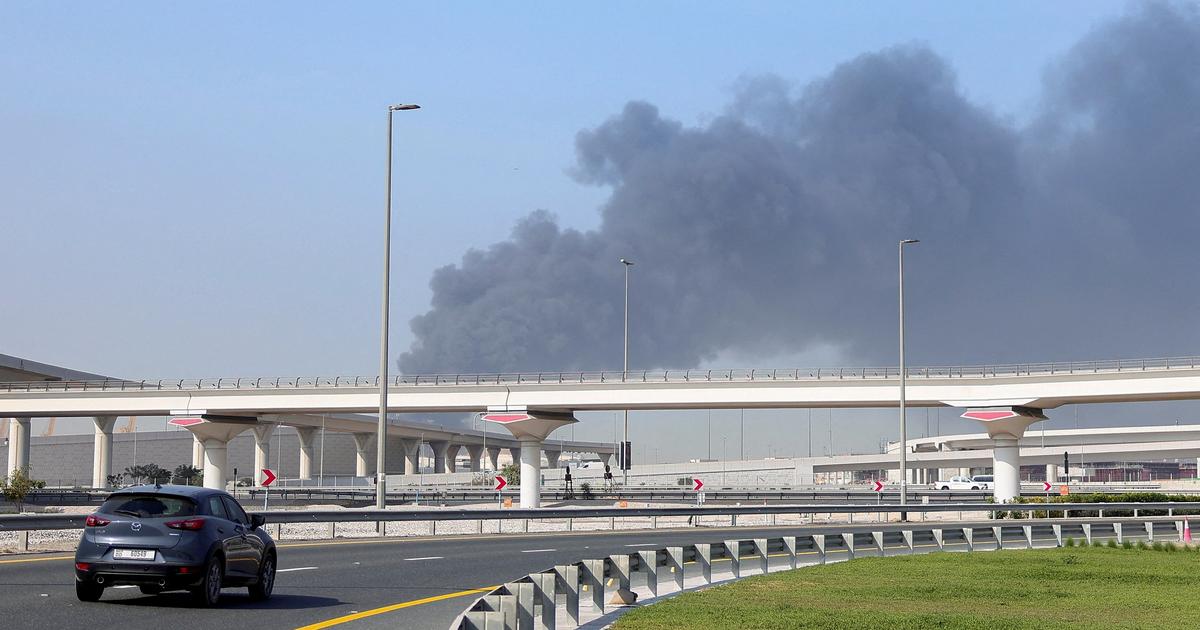
At least nine civilians have been killed across the Gulf in Iranian strikes — one each in Bahrain, Kuwait (including an 11-year-old Iranian girl), and off the coast of Oman; two in Saudi Arabia; and four in the UAE — and only one victim was a Gulf citizen. Foreign workers, who comprise roughly half the region's population and the vast majority of residents in Qatar and the UAE, are disproportionately affected, especially low-wage workers living in crowded housing and in jobs that cannot be done remotely. The strikes heighten regional geopolitical risk and raise the prospect of labor-market disruption and increased risk-off sentiment among investors.
Immediate market consequences will not be limited to headline risk: expect a durable repricing of labor risk premiums across Gulf facing sectors. Insurance and reinsurance markets typically respond fastest — P&C pricing in targeted lines (workers’ comp, kidnap & ransom, marine crew risk) can reset +10–25% inside 30–90 days, which directly raises operating costs for logistics, construction and hospitality contractors and compresses margins on thin-margin service operators by 200–600bps.
Second-order supply effects show up in three channels: labor supply (accelerated repatriation or reduced inflows raises hourly labor costs by an estimated 5–15% for low-skill roles over 3–12 months), project cadence (construction and infrastructure projects see 2–4% schedule-driven cost overruns plus financing spreads if sovereign guarantees are questioned), and policy response (host governments may tighten visa/insurance rules, shifting more compliance costs onto employers and insurers over 6–18 months). These dynamics favor capital goods and automation vendors whose ROI on labor-substituting capex shortens meaningfully when labor risk is priced in.
Catalysts that extend or reverse the trade are clear: rapid credible deterrence (diplomatic de-escalation, on-the-ground force posture changes) can compress risk premia within days–weeks; a widening of strikes to maritime chokepoints or energy infrastructure would push premium cycles into months–years. Monitor three high-frequency indicators as triggers: insurance rate filings and reinsurance renewal language (next 30–90 days), expat visa issuance/flight bookings out of the GCC (weekly), and sovereign bond spreads for the most exposed emirates (daily).
AI-powered research, real-time alerts, and portfolio analytics for institutional investors.
Request DemoOverall Sentiment
strongly negative
Sentiment Score
-0.80
