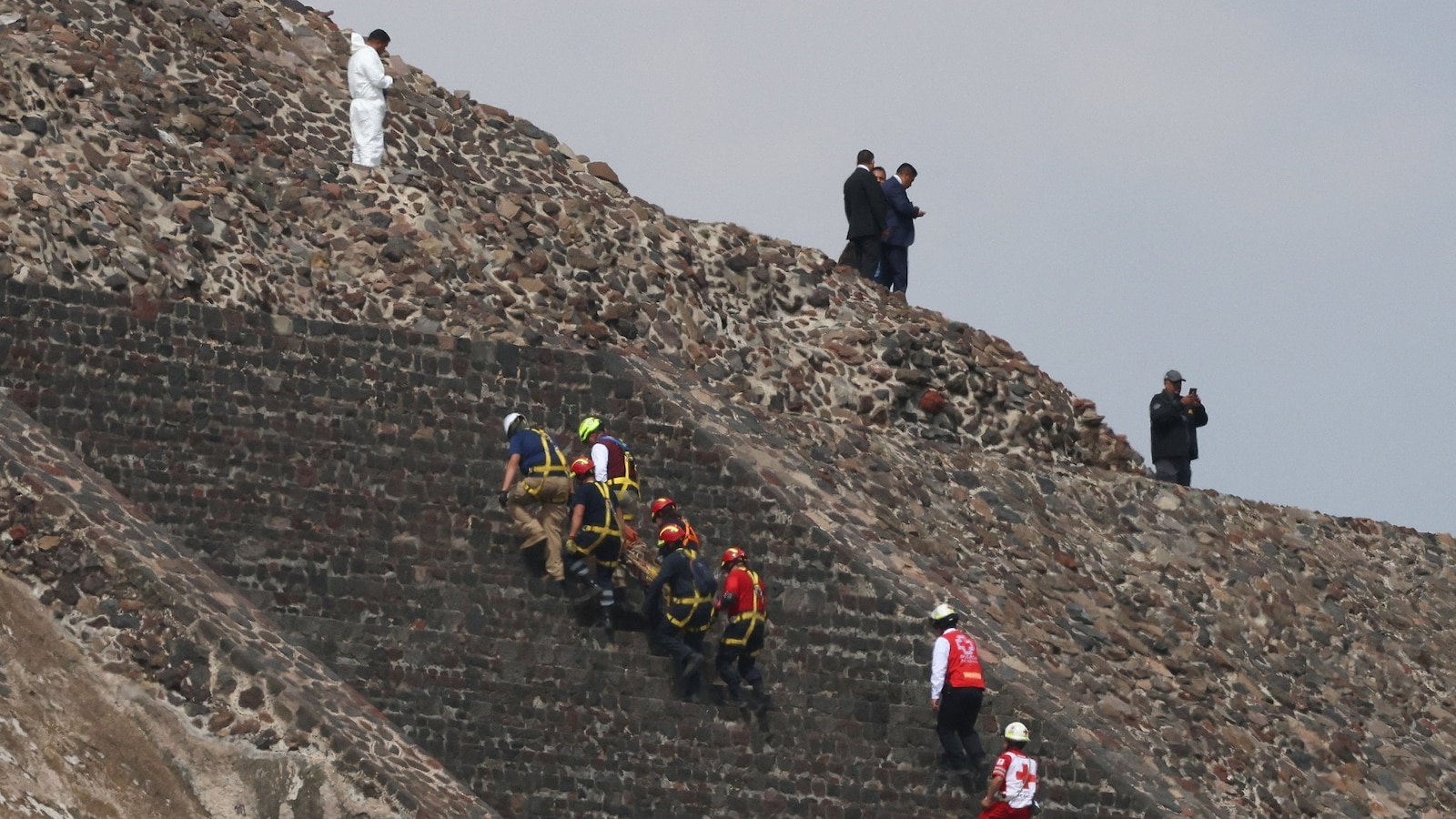
One person was killed and seven others wounded in a shooting at Mexico's Teotihuacan pyramids, prompting officials to increase security at archaeological sites and other public locations. Authorities said the gunman acted alone, appeared to have psychological issues, and may have been influenced by violent incidents in the U.S. The event is a negative headline for Mexico's tourism safety perception, though the direct market impact is likely limited.
This is a negative shock for Mexico’s travel-security premium, but the bigger market implication is not a single incident — it is the probability of a regime shift in policing crowded heritage/tourism assets. Once authorities respond with visible screening, guard deployment, and access controls, the immediate winners are security integrators, perimeter technology vendors, and private transport operators that can monetize “safer site” protocols; the losers are discretionary tourism operators with high exposure to day-trippers and family travel.
The second-order effect is compression of utilization at high-traffic cultural sites across the country if screening adds friction. That matters because tourist demand is highly elastic to perceived hassle at the margin: a small increase in wait times can move spend from site-based concessions to urban alternatives, while also nudging international travelers toward Caribbean all-inclusives, U.S. destinations, or domestic substitutions with lower perceived security risk.
The key risk window is days-to-weeks for reputational damage and months for policy follow-through. If the incident becomes politically salient, authorities may overcorrect with broader public-space security measures; that is supportive for defense/security procurement themes, but a headwind for near-term tourist throughput and municipal cash generation. Conversely, if there are no follow-on incidents and enforcement is visibly upgraded, the shock should fade relatively quickly — the market is likely to over-discount a persistent demand hit unless there is evidence of copycat behavior.
Contrarian angle: the event may be more relevant as a catalyst for government capex than as a durable tourism-collapse thesis. Mexico’s response could accelerate procurement of screening equipment, surveillance, and guard services, which creates a cleaner investable lane than trying to short broad travel exposure on one isolated event. The more asymmetric trade is to fade any indiscriminate selloff in Mexico-exposed leisure names after initial headlines and instead focus on companies with direct security-spend leverage.
AI-powered research, real-time alerts, and portfolio analytics for institutional investors.
Request TrialOverall Sentiment
strongly negative
Sentiment Score
-0.62
