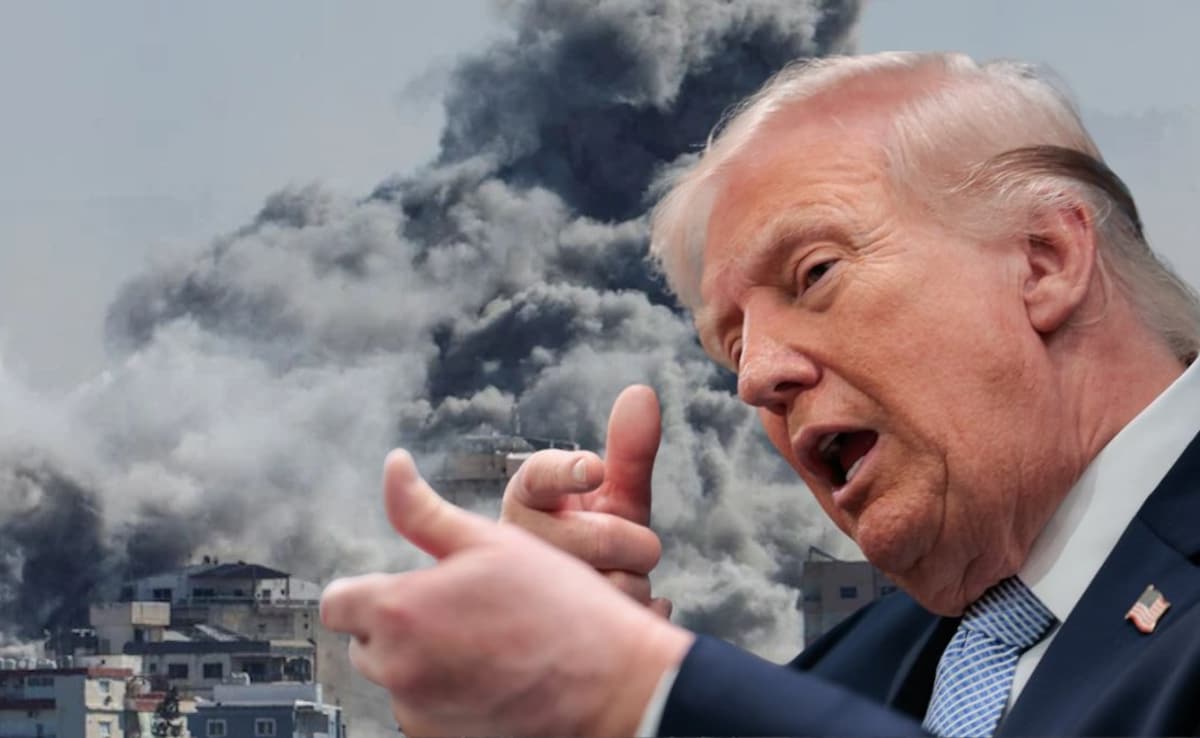
President Trump announced US ships, aircraft and personnel will remain in and around Iran with ammunition and weaponry until a 'real agreement' is fully complied with and warned of renewed lethal action if it is not. He reaffirmed the Strait of Hormuz will remain open and that Iran would not possess nuclear weapons; the hawkish rhetoric elevates Middle East geopolitical risk and could upwardly pressure oil prices and benefit defense-sector assets. The administration also accused media outlets of misreporting a purported Iranian 10-point plan.
Hawkish political signaling from Washington raises the conditional probability of a prolonged forward US military posture in the Gulf, which is a multi-horizon supply/demand shock: immediate (days–weeks) volatility in energy and shipping markets, and multi-month demand for munitions, logistics and ISR platforms that can crystallize incremental wins for prime contractors. For large defense primes, a sustained uptick in operational tempo typically translates into 3–7% incremental backlog growth over 6–12 months and a 5–10% improvement in free cash flow conversion as expedited procurement and replenishment programs accelerate revenue recognition.
The energy/shipping channel is the highest-leverage market pathway: a credible risk of constrained Strait of Hormuz transits has in past episodes lifted Brent by $10–20 within 7–30 days and pushed tanker war-risk premiums +25–100% within weeks, benefitting tanker owners and spot crude/freight players while compressing refinery margins. Insurance and war-risk clauses rise faster than physical supply adjustments, producing outsized short-term P&L impact for shipping equity owners and energy price-sensitive industries.
Policy and political reversals are a material de-risking vector: a negotiated diplomatic disarmament or third‑party mediation could unwind price and defense rerating within days, whereas kinetic escalation would entrench higher baselines for months to years and force secondary effects — sanctions, export controls, and accelerated onshore supply chains — that superficially benefit domestic defense/energy capex but raise systemic market volatility ahead of the election cycle.
AI-powered research, real-time alerts, and portfolio analytics for institutional investors.
Request DemoOverall Sentiment
strongly negative
Sentiment Score
-0.65
