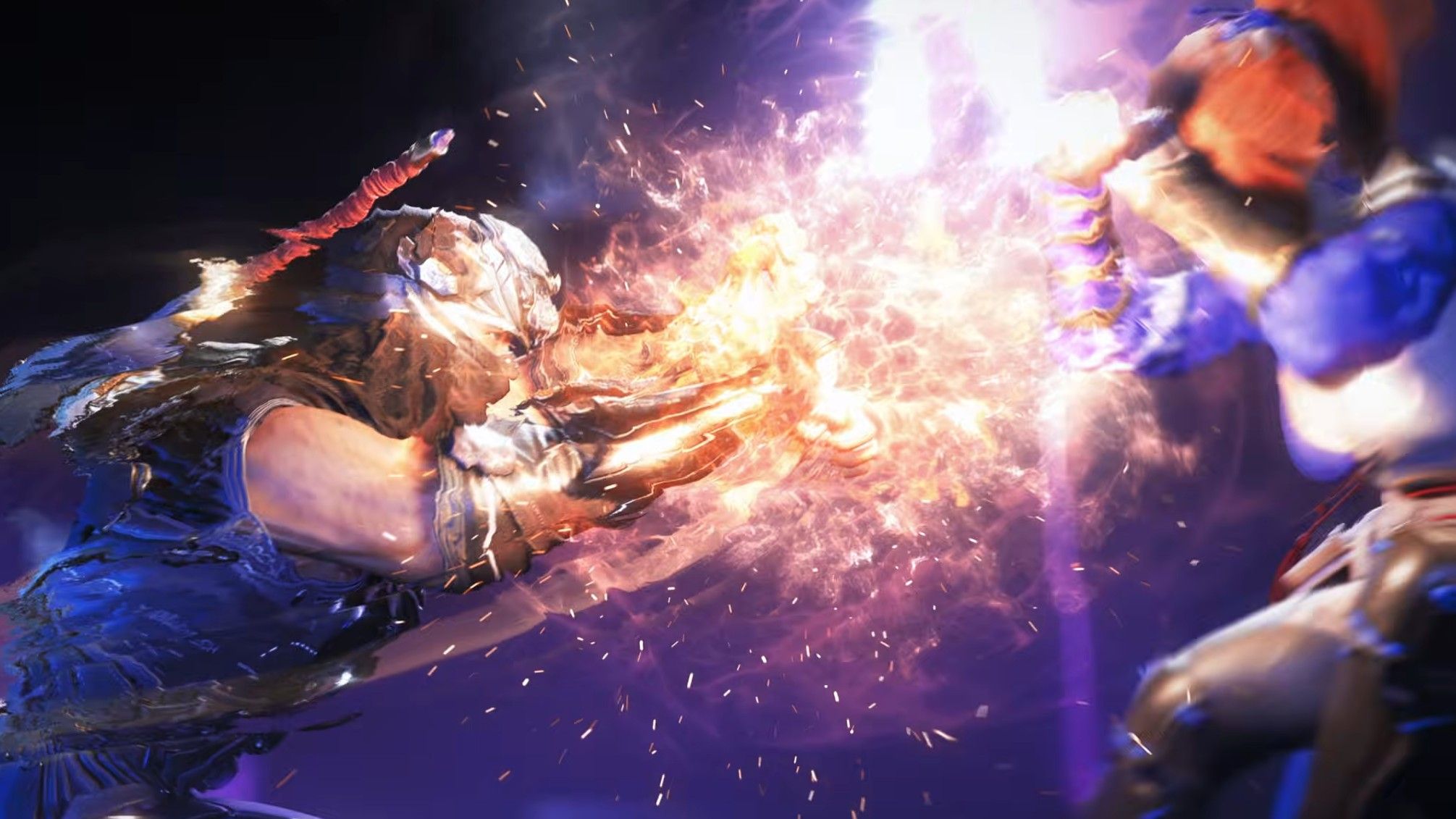
Team Ninja announced development of a new Dead or Alive fighting game to mark the series' 30th anniversary in 2026, effectively signaling a successor to Dead or Alive 6 (2019). To bridge the gap, the studio will release DOA6: Last Round on June 26 incorporating prior DLC, a new photo mode and additional planned character DLC; the move may modestly affect franchise engagement amid competitor softness in the 3D fighting segment such as Tekken.
Market structure: The announcement is a modest positive for Sony (SONY) and IP owners (Team Ninja/Koei Tecmo) because new 3D fighting entries and DLC drive high-margin digital sales and recurring monetization; expect a 1–3% incremental revenue/tailwind to platform partners around release windows (12–24 months) if DOA7 follows. Competitively, Tekken (Bandai Namco) appears vulnerable in the 3D fighting niche — a potential reallocation of a mid-single-digit percentage of active players could shift tournament and DLC economics, increasing pricing power for successful launches. Cross-asset impact is small: possible short-term JPY support on stronger Japanese game exports, negligible sovereign bond effects, and limited option volatility upticks around major reveals/releases.
Risk assessment: Tail risks include development delays (slippage >6–12 months), poor critical reception leading to >10% sales shortfall, and reputational/regulatory backlash given DOA’s historical controversies; any of these could wipe expected DLC margins. Immediate effects are announcement-driven (days), short-term catalysts are DOA6 Last Round DLC on June 26 and State of Play cadence (weeks–months), and DOA7 revenue realization is a long-term (12–36 months) event. Hidden dependencies: platform exclusivity deals, e-sports adoption, and microtransaction/legal scrutiny are binary outcomes that materially change upside.
Trade implications: Tactical: establish a 1–2% long position in SONY (ticker SONY) with a 3–6 month horizon, target +5–8% on better-than-expected gaming/services commentary, stop at −6%. Relative-value: initiate a 1% pair trade long Koei Tecmo (TYO:3635) vs 1% short Bandai Namco (TYO:7832) on a 12–24 month view for franchise share shift; size options exposure via a 3-month SONY 5% OTM call spread (0.5% portfolio) to lever upside while capping premium. Rotate modestly into global Consumer Discretionary/video-game ETFs on pullbacks of 3–7% pre-release and trim on 10% rallies.
Contrarian angles: The market likely underestimates lifecycle value from a well-executed DOA7 — historical revivals (e.g., Mortal Kombat reboot) produced multi-year revenue tails; this underappreciation creates asymmetric upside in small-mid cap Japanese devs and publishers. Conversely, consensus may underprice regulatory/reputational risk that could lead to territorial restrictions; monitor 72-hour concurrent user counts, DLC attachment rates >20%, and publisher guidance revisions as high-signal KPIs to detect mispricing early.
AI-powered research, real-time alerts, and portfolio analytics for institutional investors.
Request DemoOverall Sentiment
neutral
Sentiment Score
0.10
Ticker Sentiment
