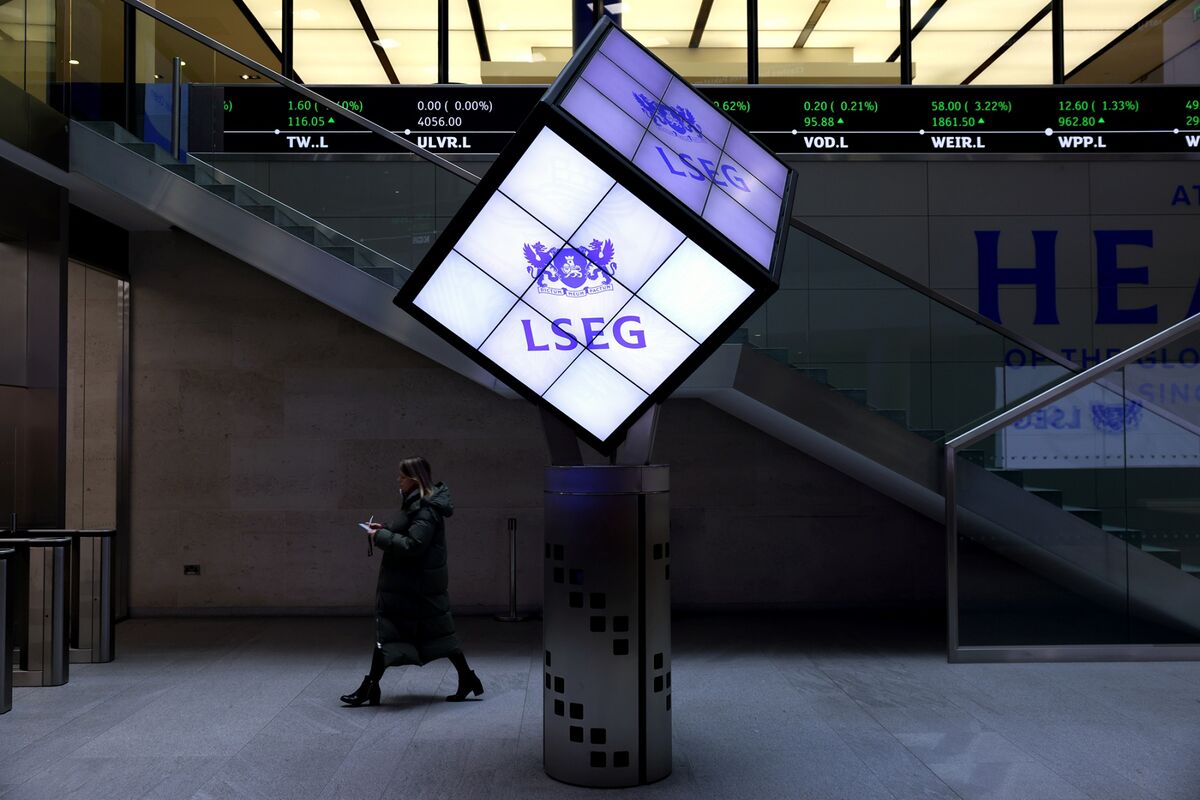
Goldman Sachs' Petershill Partners is delisting and returning capital to shareholders, a move that exemplifies broader challenges currently impacting both private and public markets. The entity, which was listed in 2021 to democratize retail investor access to alternative asset managers and provide liquidity for existing investors, is now reversing its strategy.
The decision by Goldman Sachs (GS) to delist Petershill Partners, a publicly traded division of its asset management arm, represents a significant strategic reversal and signals distress within both private and public capital markets. Launched in 2021 with the objective of providing retail investors access to stakes in private equity firms and offering liquidity to existing investors, the vehicle's failure to sustain its public listing underscores the current challenging environment. The move to delist and return capital is a public acknowledgment of these difficulties, characterized as 'private market pain.' The moderately negative sentiment surrounding this event (-0.6 score for GS) reflects concerns about the viability of monetizing alternative assets in today's market and the failure of this high-profile initiative to bridge the gap between retail investors and private equity.
AI-powered research, real-time alerts, and portfolio analytics for institutional investors.
Request DemoOverall Sentiment
moderately negative
Sentiment Score
-0.60
Ticker Sentiment
