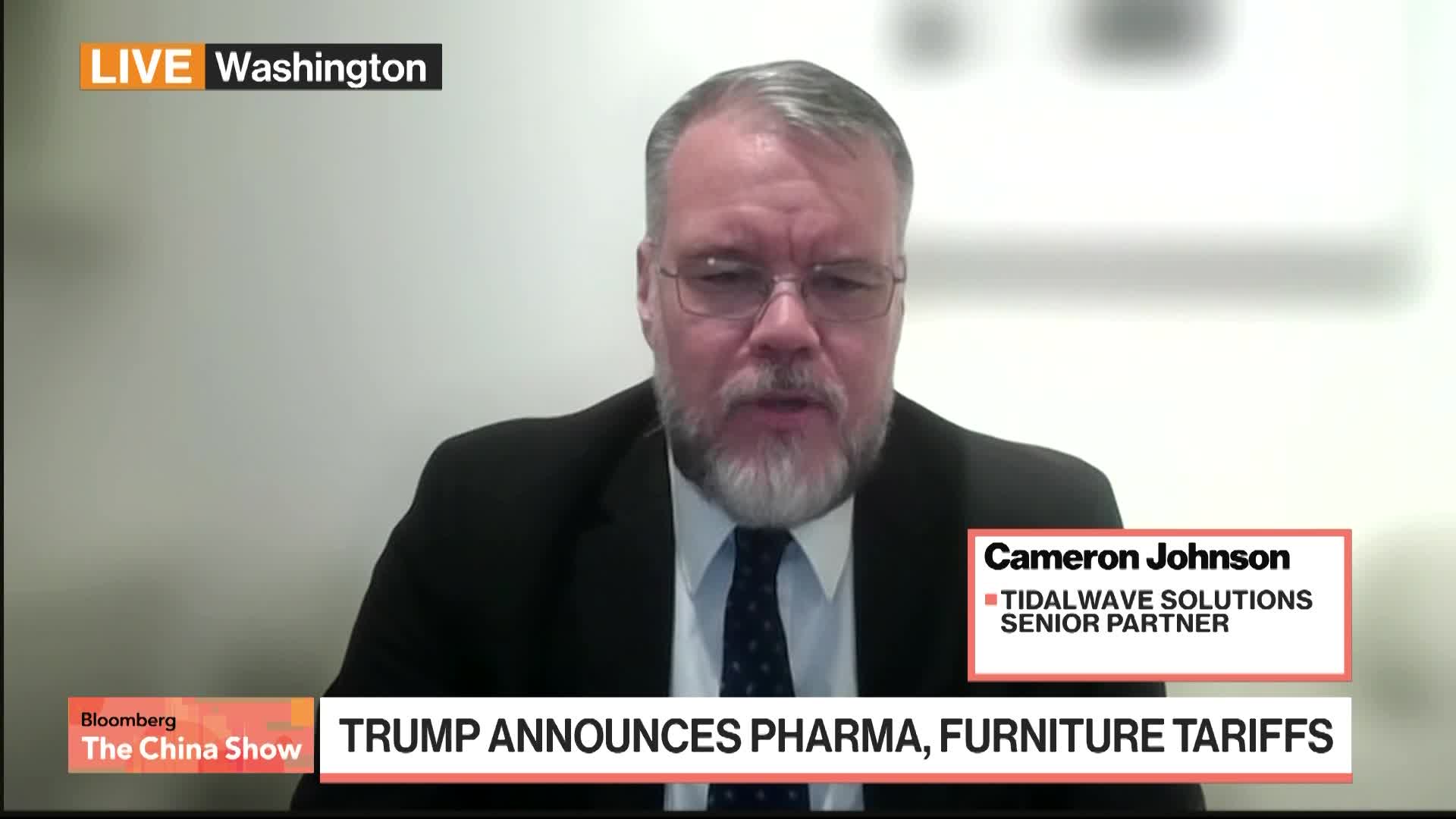
Former President Trump is reportedly planning to impose a 100% rate on patented drugs, a policy that would drastically reshape the pharmaceutical industry by eliminating patent-derived profits and fundamentally altering drug pricing models and R&D investment strategies.
A reported plan by former President Trump to institute a 100% rate on patented drugs represents a fundamental threat to the pharmaceutical and biotech industry's established business model. Characterized by a hawkish tone and an extremely negative sentiment score (-0.9), this proposal aims to eliminate patent-derived profits, which are the primary driver for investment in high-risk, capital-intensive research and development. Such a policy would upend drug pricing strategies that rely on a period of market exclusivity to recoup R&D expenditures. The high market impact score (0.9) indicates that if this proposal gains traction, it could trigger a significant de-rating of the entire sector, as it directly attacks the value of intellectual property and future earnings potential for innovative drug makers. This introduces a severe political and regulatory risk overhang for any company reliant on a pipeline of patented products.
AI-powered research, real-time alerts, and portfolio analytics for institutional investors.
Request DemoOverall Sentiment
extremely negative
Sentiment Score
-0.90
