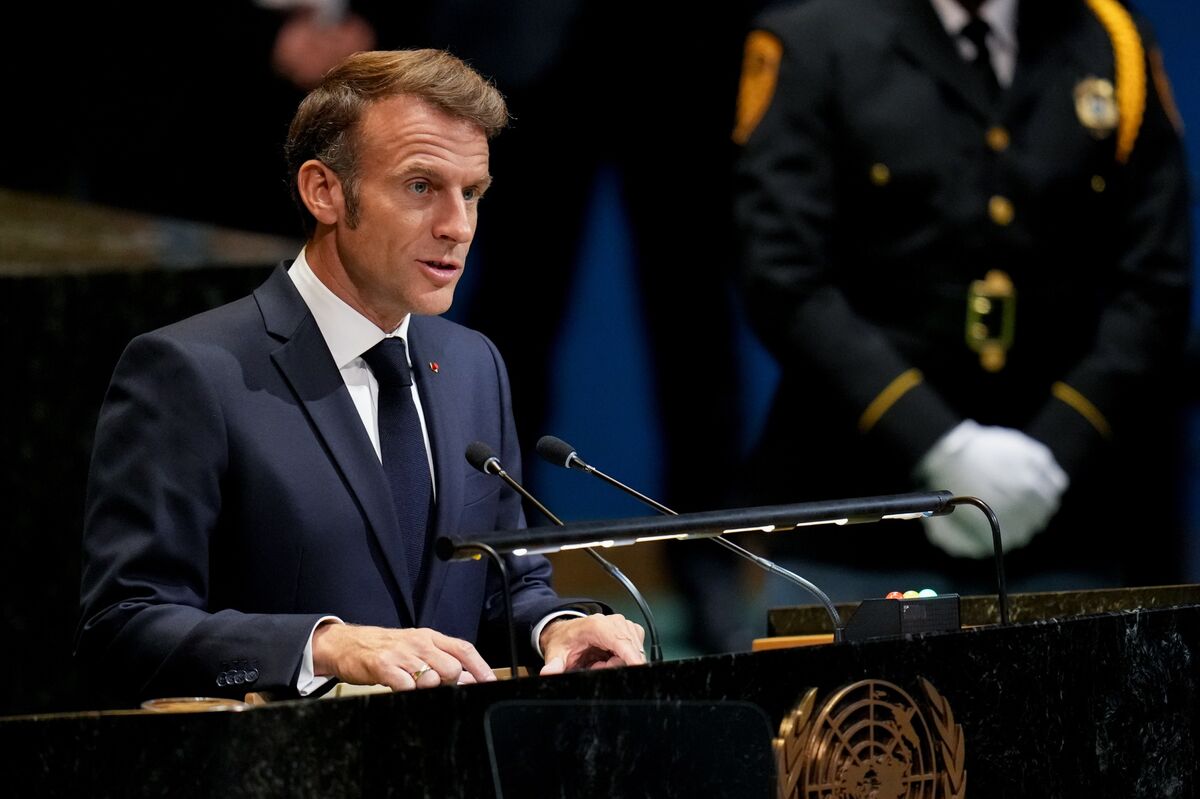
French President Emmanuel Macron has urged European Union leaders to consider deploying the bloc's most potent trade tool, the anti-coercion instrument, against China. This move is in response to Beijing's planned export controls on critical raw materials, signaling a potential escalation in trade tensions if a diplomatic resolution cannot be achieved.
French President Emmanuel Macron has urged European Union leaders to consider activating the bloc's "anti-coercion instrument" against China. This hawkish stance, reflected in a moderately negative sentiment score of -0.55, signals a potential significant escalation in EU-China trade relations. The proposed measure is a direct response to Beijing's planned export controls on critical raw materials. China's impending restrictions on raw material exports are the primary catalyst, raising concerns over supply chain vulnerabilities and access to essential commodities for European industries. This development falls under critical themes such as "Trade Policy & Supply Chain" and "Commodities & Raw Materials," indicating broad economic implications. The market impact score of 0.6 suggests that this geopolitical tension could lead to tangible market shifts. Should the EU proceed with this powerful trade tool, it would mark a significant regulatory and legislative move, potentially leading to retaliatory measures from China. Investors should recognize the increased risk of trade friction and its potential to disrupt global supply chains, affecting sectors heavily reliant on these critical inputs. The situation underscores a growing trend of weaponization of trade and resources.
AI-powered research, real-time alerts, and portfolio analytics for institutional investors.
Request DemoOverall Sentiment
moderately negative
Sentiment Score
-0.55
