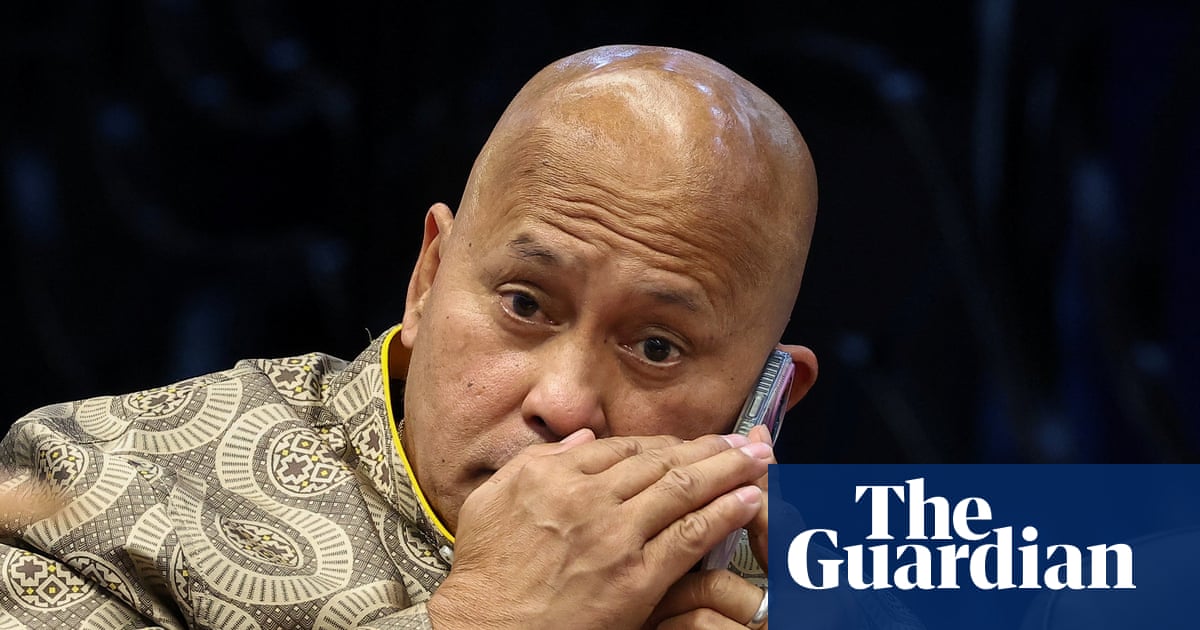
Gunshots and a standoff inside the Philippine senate erupted as Senator Ronald dela Rosa, wanted by the ICC for alleged crimes against humanity tied to Duterte’s anti-drugs crackdown, remained in the building to resist arrest. The incident highlights escalating legal and political tensions in Manila, including an emergency petition to block extradition to The Hague. While highly disruptive politically, the story is unlikely to have a direct near-term market impact beyond local risk sentiment.
The market-relevant signal here is not the legal drama itself but the stress test of institutional control in Manila. When a sitting senator can turn an arrest into a prolonged standoff inside the legislative chamber, the near-term risk premium rises across domestic Philippine assets because it raises the probability of policy paralysis, delayed budget execution, and a sharper split between the executive and Duterte-aligned bloc. That tends to hurt the peso, local duration, and any foreign-sensitive cyclicals more than the immediate headline would suggest.
Second-order, this is a governance event that can become a catalyst for capital flight if it is read internationally as selective enforcement or as a sign that the state cannot execute against elite opposition cleanly. Even absent violence, a messy resolution would likely widen the discount on Philippine equities versus regional peers for weeks, not days, because global allocators dislike unquantifiable tail risk more than they dislike one-off political volatility. The companies most exposed are domestic banks, infrastructure proxies, consumer names tied to local sentiment, and any asset whose valuation depends on stable rule-of-law assumptions.
The contrarian view is that the chaos may ultimately strengthen the current administration if it frames the confrontation as anti-impunity rather than anti-Duterte. If the supreme court moves quickly or the military stays neutral, the event could compress into a short-lived headline shock and leave the bigger trade as a political consolidation story, not a systemic crisis. The key variable is whether this becomes a 72-hour legal resolution or a broader street/military contagion; that distinction determines whether the move should be sold or faded.
For now, the asymmetry is skewed toward downside because the tail is not just arrest risk but institutional fragmentation. If supporters mobilize and security forces become visibly split, expect a fast repricing in FX and local risk assets over 1-4 sessions; if the judiciary creates a credible off-ramp, the trade should unwind almost immediately.
AI-powered research, real-time alerts, and portfolio analytics for institutional investors.
Request DemoOverall Sentiment
strongly negative
Sentiment Score
-0.55
